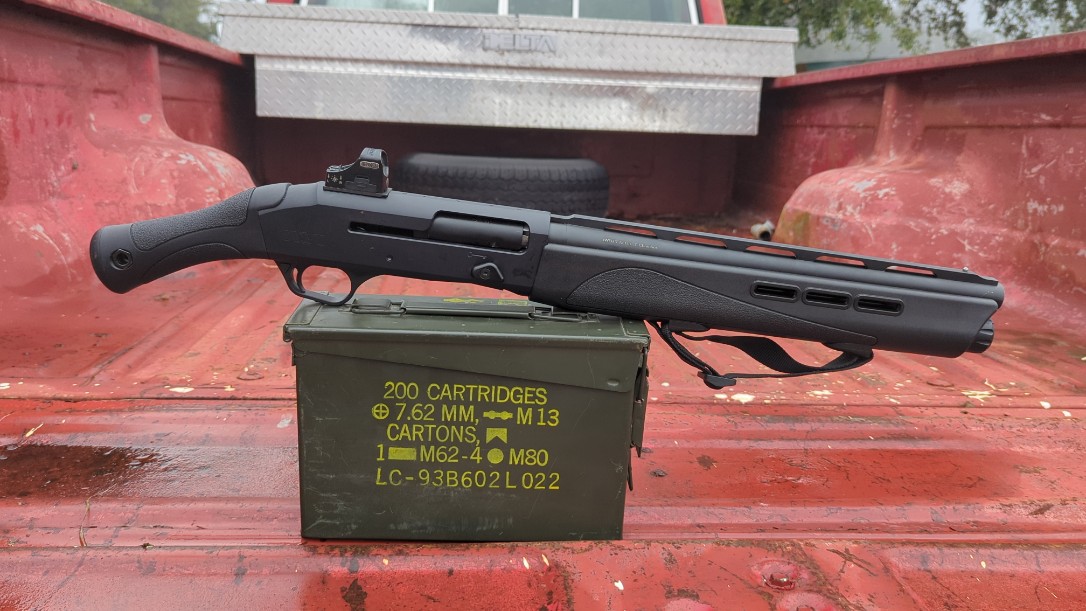
The Mossberg Shockwave introduced an entirely new genre of firearms for us to enjoy. These short firearms chambered in shotgun cartridges quickly became some of the most popular guns on the market. They’ve continued to evolve and, arguably, have regained popularity due to the Mossberg 990 Aftershock and the IWI Mafteah. Both fall into the same short-barreled firearm category, and both are quite popular. Here’s the thing: these shorties can be tough to handle.
How to Handle the Shorties
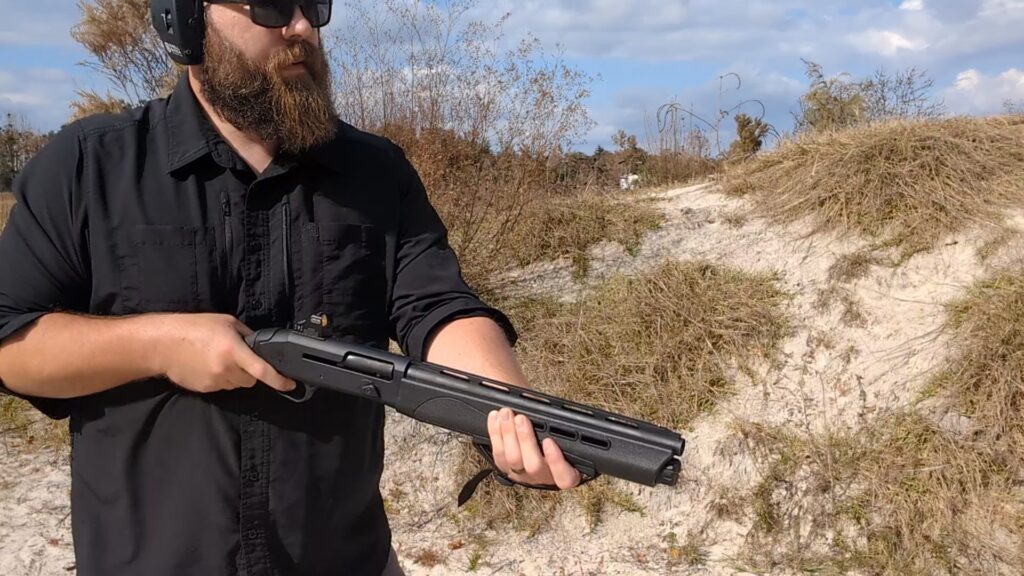
Sure, firing from the hip can be done, and it’s quite fun, but we are talking effectively. How do we wield these guns effectively? Guys like Rhett Neumeyer of Demonstrated Concepts LLC have created entire classes around these guns and their capabilities.
Advertisement — Continue Reading Below
We know it can be done, but how? I’m no Rhett, but I’ve been shooting these guns since the Shockwave premiered, and I’ve got a mix of techniques, ammo, and accessories you can use to make your micro-sized, 12-gauge shorties a bit more effective.
First – Master Push/Pull
A man named Rob Haught has shaped modern shotgun shooting and has helped evolve the shotgun into the modern era. He did this through a technique called Push/Pull. Shotguns have fierce recoil, right? Take the stock off, and calling it a firearm makes it even worse. We employ push/pull to tame recoil.
What we do is pull the rear of the grip rearward while pressing the forend forward. This creates tension. It should feel like you’re stretching the gun. This creates isometric tension that helps tame recoil. Your forward hand is doing most of the work, and the split should be around 70/30, but we slide with 60/40 for push/pull.
Advertisement — Continue Reading Below
You want to make sure you still have a bend at your elbow. If your arm is straight, you’re losing some potential recoil reduction. With a bend in the elbow, you’ve created a shock absorber that can take the sting out of the gun before it ever gets to you.
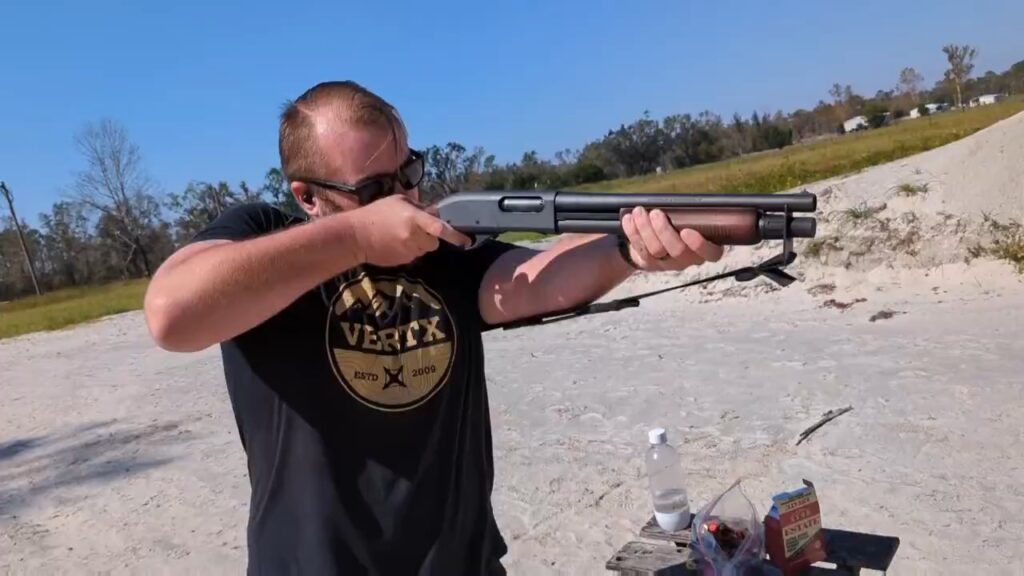
Push/pull can be done in two ways: the smart way or the strong way. The smart way is to engage the push/pull right before you pull the trigger. This keeps you from getting fatigued from holding the tension. Then, a strong way is the method I tend to use, well, because I’m not smart. This method involves maintaining tension throughout.
Advertisement — Continue Reading Below
It’s tiring, but here’s the thing: I’m not shooting a ton of rounds with these guns. Maintaining the tension takes effort, strength, and practice, but it reduces my cognitive load and allows me to muscle through the reocil impulse.
Second – Perfect Your Stance
When it comes to anything in 12 gauge, everything you do should be as perfect as possible. Unlike a modern rifle, a shotgun doesn’t have a whole lot of give. You have to perfect or at least try to perfect everything, including your stance.
The stance doesn’t really change between a rifle and a 12-gauge firearm. You want to lean forward in an aggressive athletic stance. Dominant leg rearward, support leg forward. Weight forward, on the balls of your feet. Push your butt out like it’s a 2008 night at the club and load the hips, bend the knees, and your body will soak up the recoil.
Advertisement — Continue Reading Below
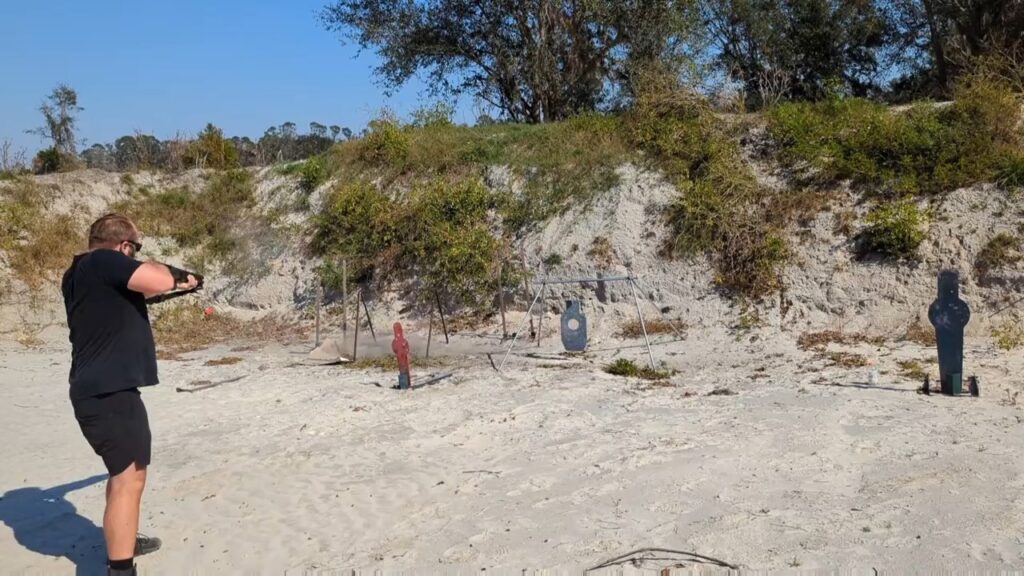
One firearm-specific thing you can do is to push your back leg a little further rearward than normal. This creates a shock absorber, kind of like an artillery piece. Massad Ayoob documented this technique in Stressfire 2, and it works. It’s just a half step more rearward than a normal shooting stance.
Get a Sling
These short 12-gauge firearms don’t seem like the gun you’d sling. It’s not a patrol firearm or a long-range rifle. I only stuck a sling on one because I got tired of carrying it around the range. After messing around, I found out that sling tension can be quite valuable. We often use sling tension to make our shots a little more accurate, but in this case, we are using it to reduce recoil.
Advertisement — Continue Reading Below
Remember how pushing is the more important part of push/pull? Well, a properly tightened sling makes the gun a little easier to push against. That extra pull gives you a bit more push. More push means more control. The sling doesn’t matter all that much.
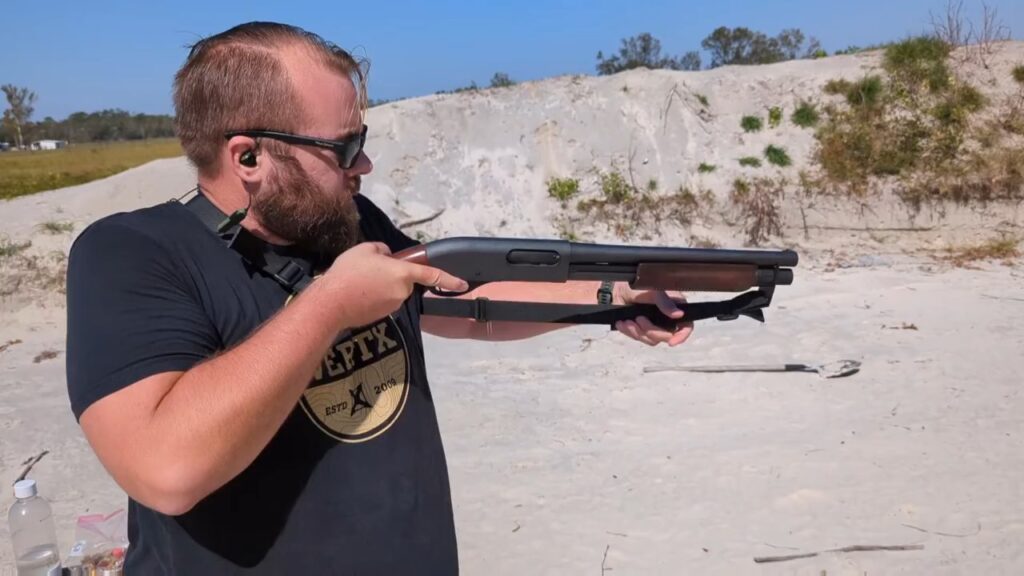
I’d suggest a modern tactical two-point. The Magpul MS1 works great; the Vickers sling works as well. Whichever you choose, it’ll probably work. Having a sling and using it correctly are two different things. You need the sling to be tight enough to add tension, but still loose enough to maneuver the gun. Keep that in mind and find the sweet spot.
Advertisement — Continue Reading Below
Low Recoil Ammo Goes A Long Way
Shotgun food comes in a wide variety. We have 3.5-inch duck loads all the way down to 1.75-inch meme rounds. For defensive use, we’ll stick to the good old-fashioned 2.75-inch loads, especially if we’re dealing with semi-auto shorties. We live in an era of reduced-recoil buckshot, and boy oh boy, does your ammo make a difference.
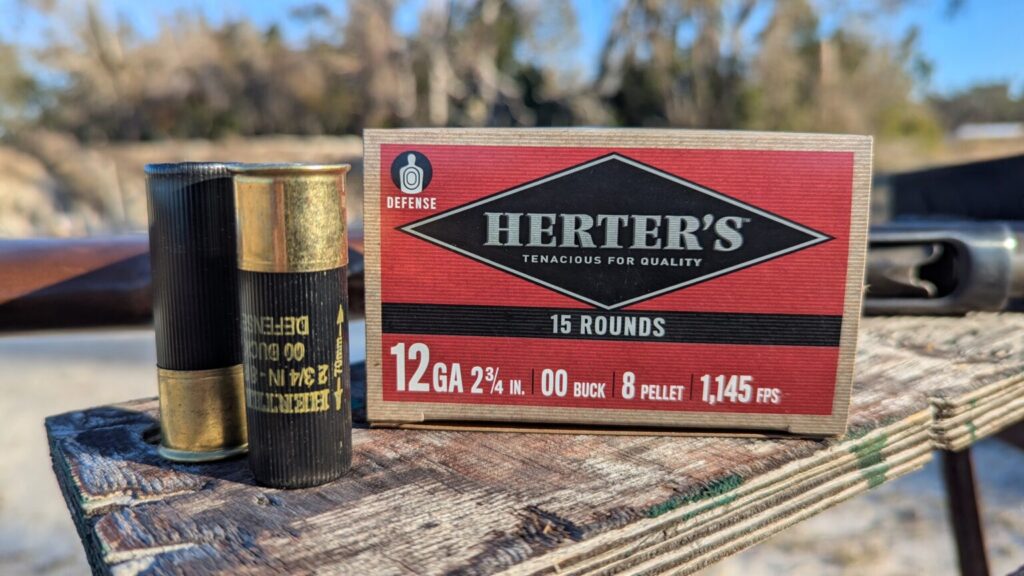
A buckshot load that sits below 1300 feet per second is a great place to start. My preferred load is the Federal Flitecontrol that comes in at a tame 1,145 feet per second. It’s smooth as butter and handles like a dream in these shorties. With the right technique and this ammo, you can put two loads inside an A-zone in less than a second at ten yards.
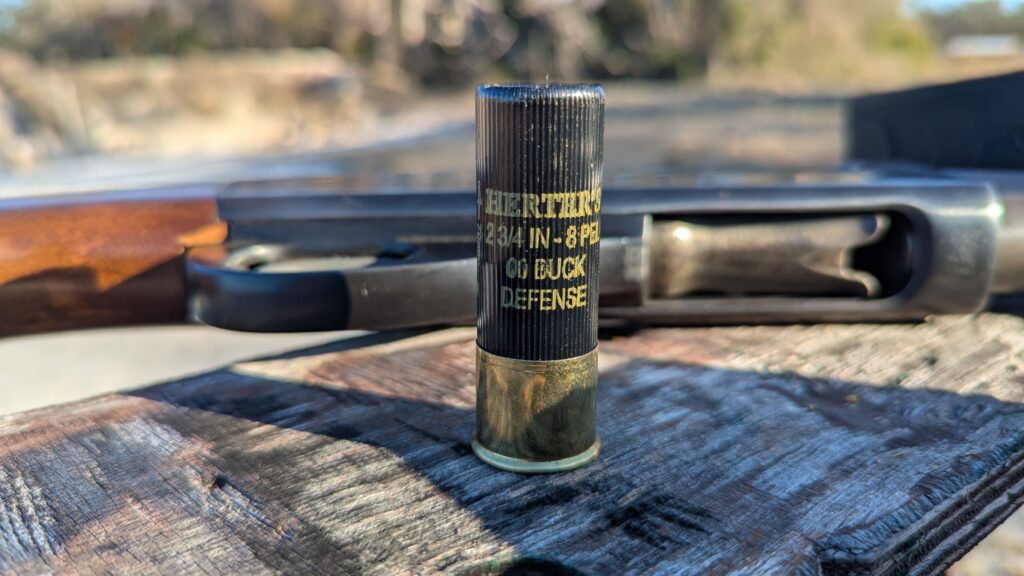
Flitecontrol can get a bit pricey, so if that’s a bit much, there are a few affordable alternatives. The Fiocchi Defense Dynamics loads are a great place to start. They have light recoil and are affordable. If you have a Bass Pro near you, then the Herters defensive buckshot is fantastic as a low-recoil load. It is fantastic shorty food.
A Red Dot
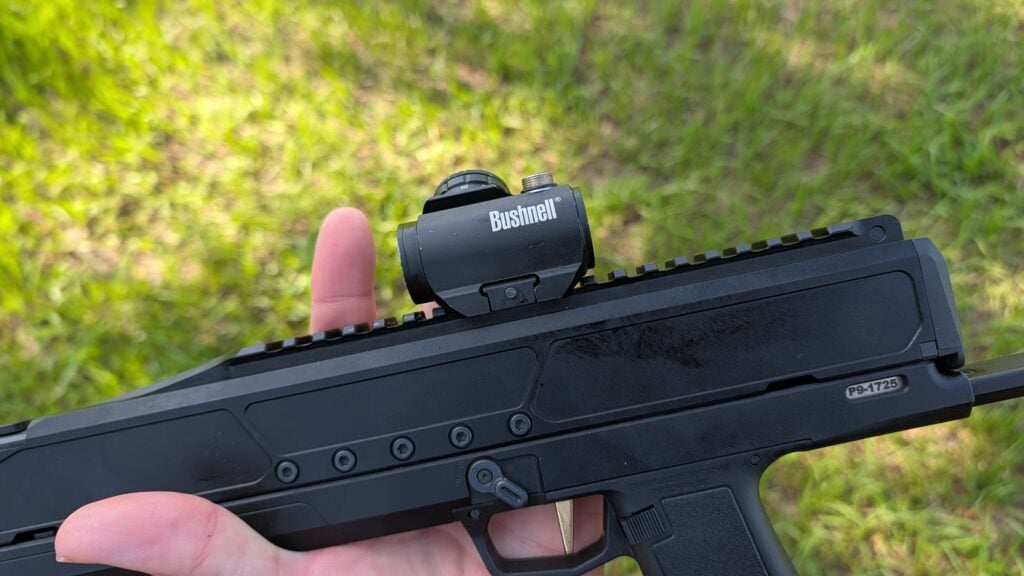
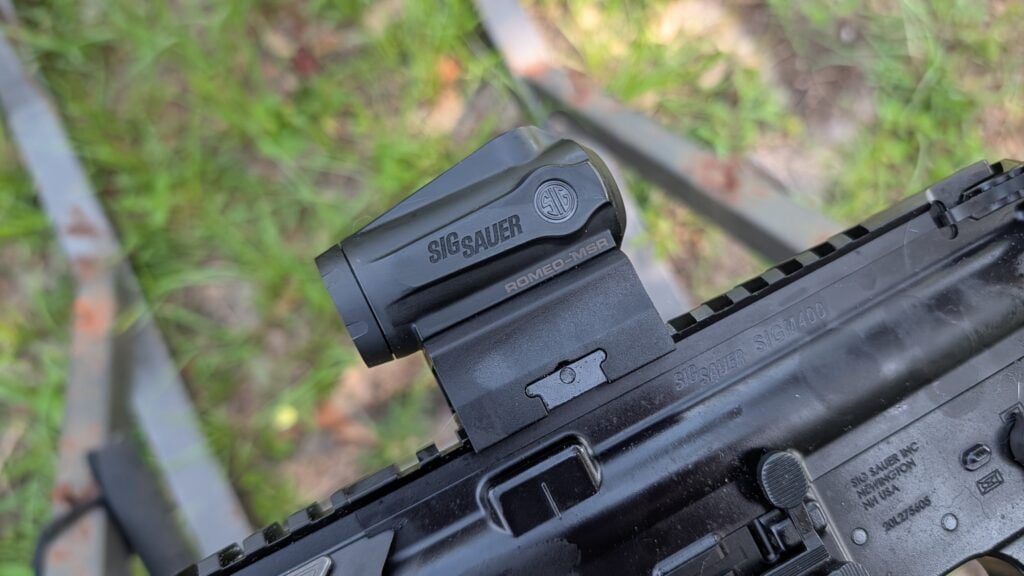
How can a red dot help you control the gun? Well, it doesn’t, but it does make it a bit easier to employ the sling and push/pull method while aiming. A red dot will sit slightly above your iron sights, making the entire setup a little more comfortable to shoot and aim.
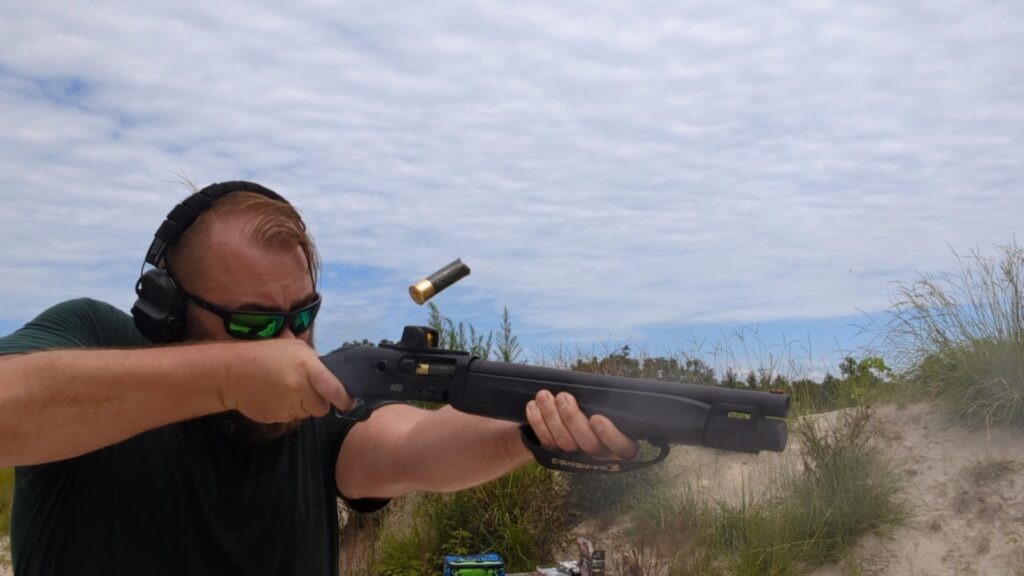
Trying to keep tension, use a sling, and get low behind the sights can be tough. The red dot just removes a little of the human factor when shooting shorties, which can help you keep everything just perfect.
Shooting Shorties
Make no mistake, these shorties are a literal handful. They are not egalitarian guns, and the recoil makes them poorly suited for beginners. However, with a little technique, some accessories, and smart ammo selection, shooting shorties is a lot more palpable.