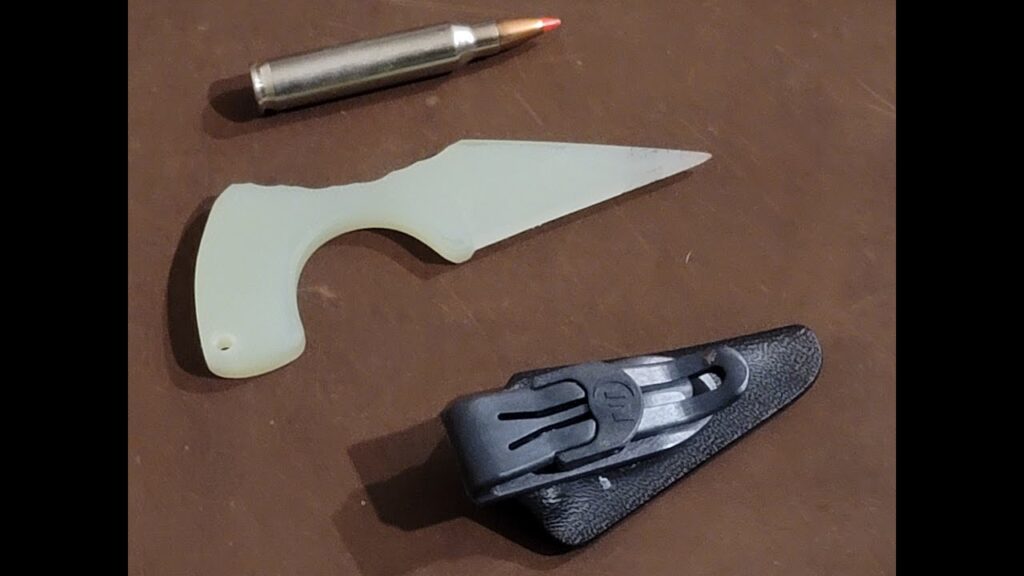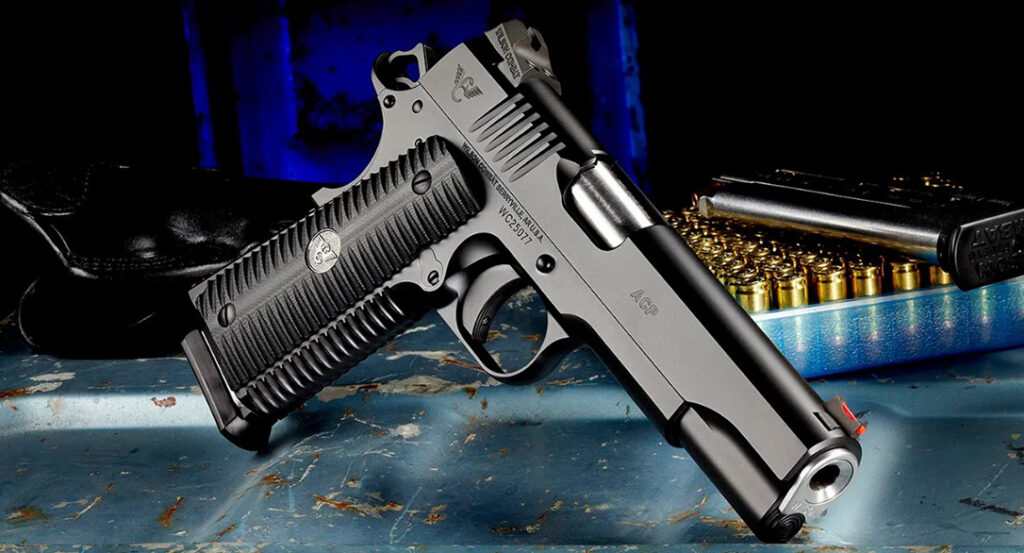
Most people only remember two types of guns. They remember excellent guns for their performance, and those excellent designs tend to stick around for a long time. The other type of guns people tend to remember are terrible guns. Their failures are often remembered. Of the two types of guns people remember, it’s the terrible guns that I have an attraction to.
What Makes Terrible Guns so Interesting?
I think it’s time I came clean to everyone. I have terrible taste in guns. Okay, mostly terrible taste. When it comes to a gun I rely on for defensive use, hunting, concealed carry, etc. I stick to good guns. However, a good majority of my guns are not very good. I don’t think I’m the only one who collects terrible guns.
Advertisement — Continue Reading Below
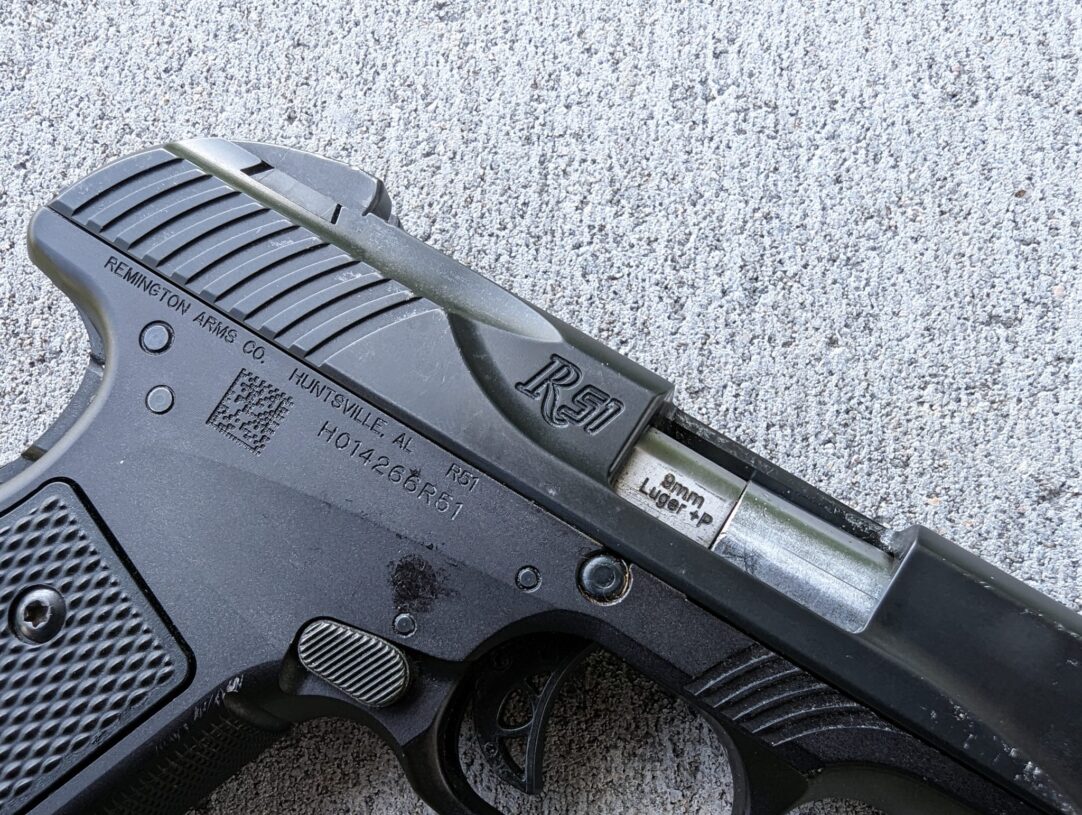
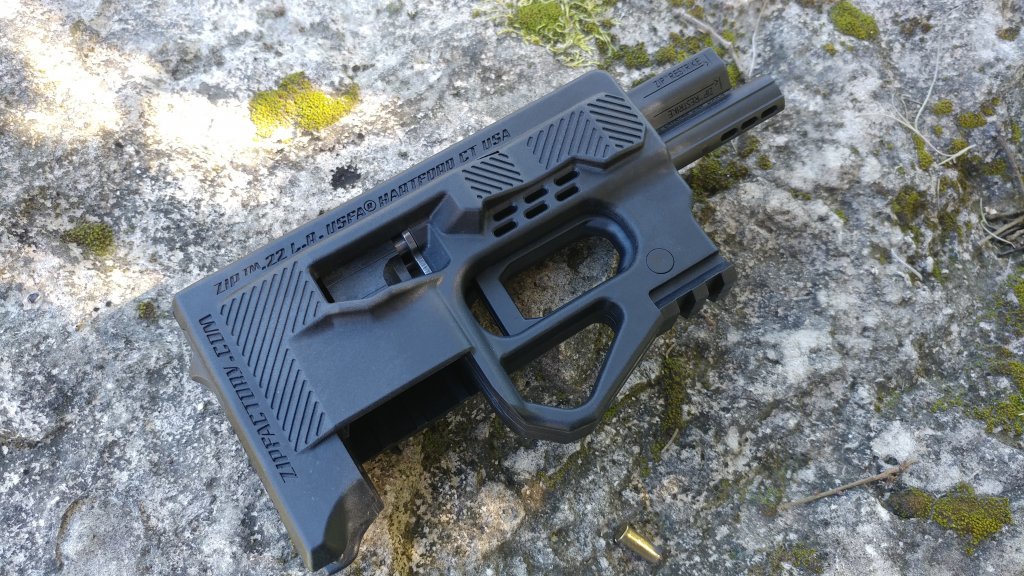
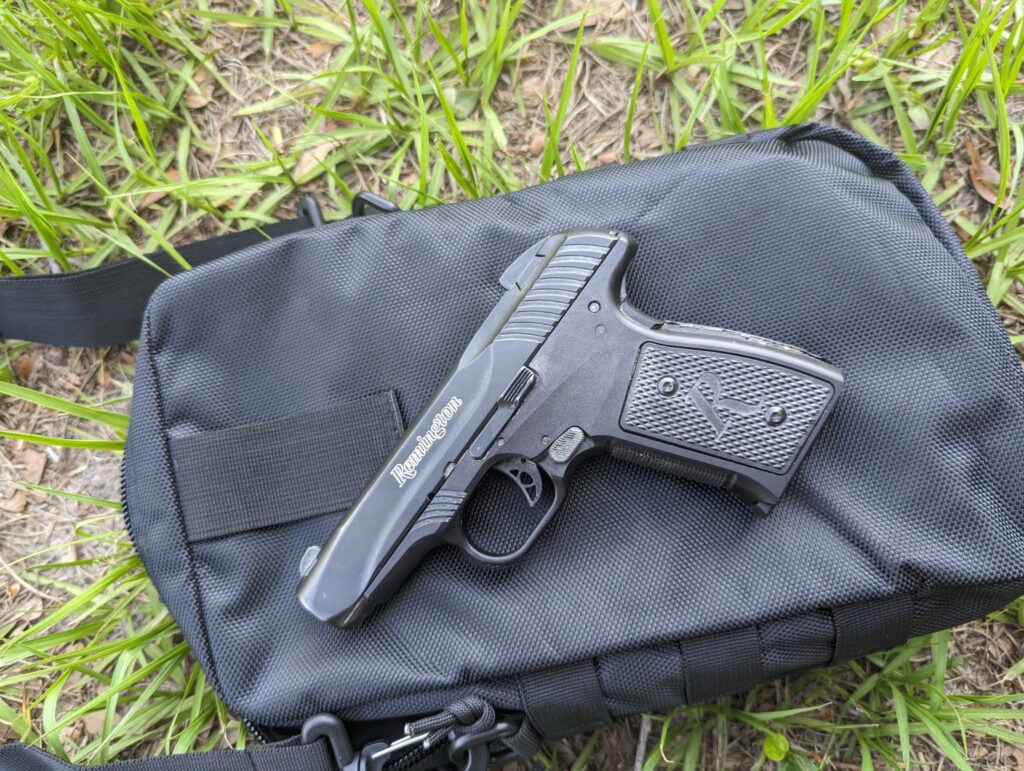
In fact, I know I’m not. I’ve met too many fellow terrible gun owners to believe that’s true. Why are some of us drawn to terrible guns? I’m not talking about average guns that are fine, functional, but not so great. I’m talking about guns like the USFA Zip, the Remington R51, the Taurus Curve, and similar guns.
These Guns Are Historic
My terrible taste in guns is partially tied to their historicity. A bad gun is well remembered, making it an interesting historical note in the history of firearms. More than that, the production and sale of a bad gun can have interesting effects on the industry.
Guns like the USFA Zip 22LR were bad enough that they killed a respected company. The existence of the Zip will be evidence of a certain degree of hubris behind USFA’s decision to sell the revolver machinery to make a bizarre, bullpup rimfire firearm.
Advertisement — Continue Reading Below
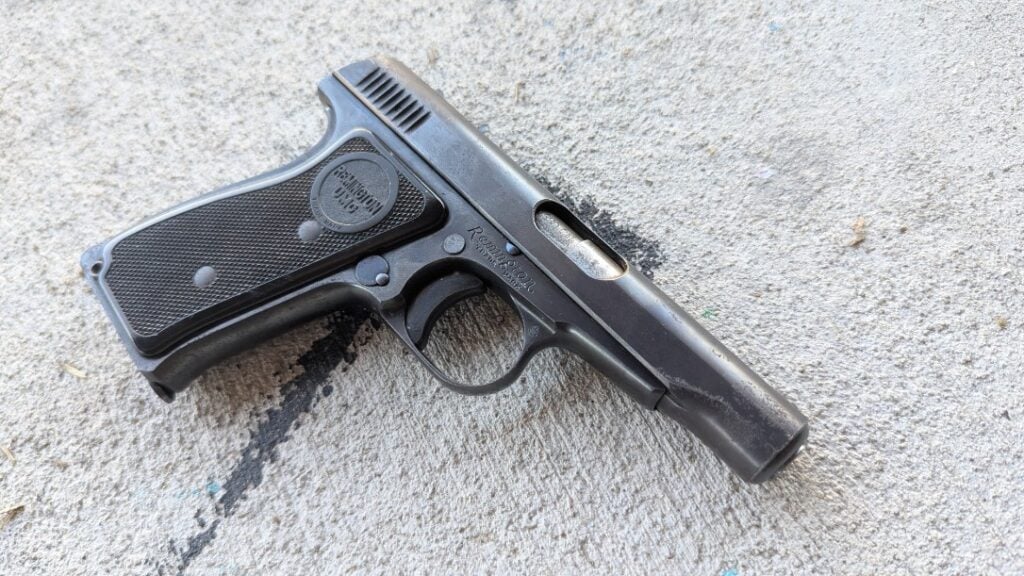
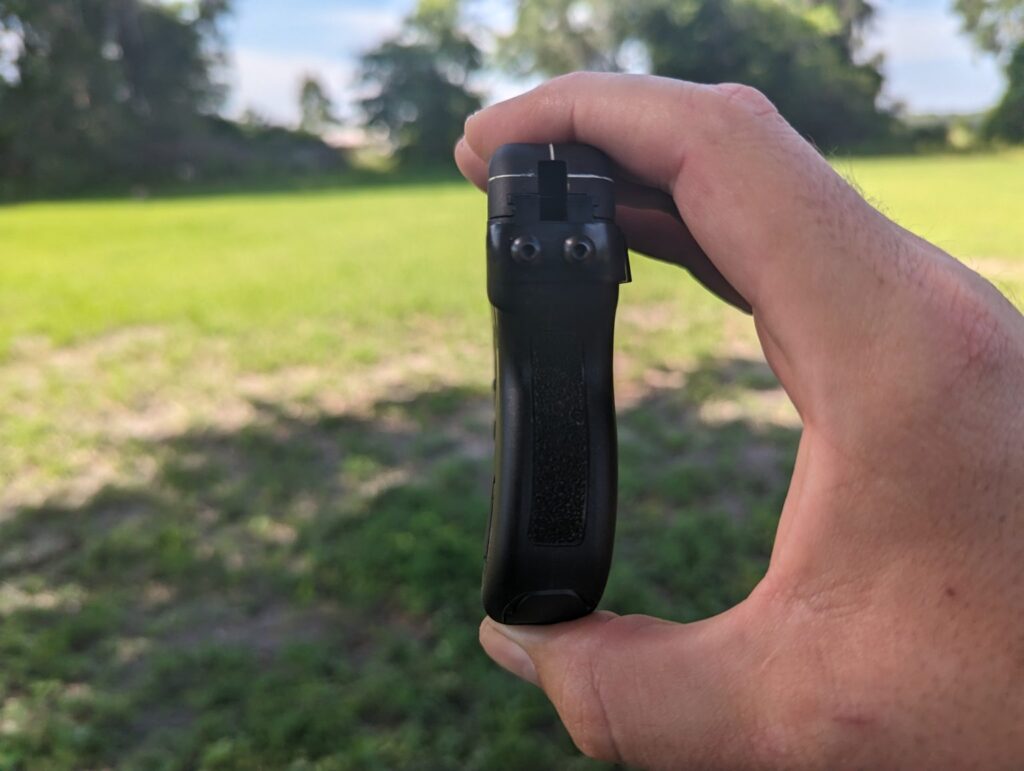
The R51 helped push a cash-strapped and reputation-bruised Remington over the edge. More than that, they change a lot of people’s perception of reviews of the era. Users could discuss their problems online, which seemed to counter the written reviews people saw in gun magazines.
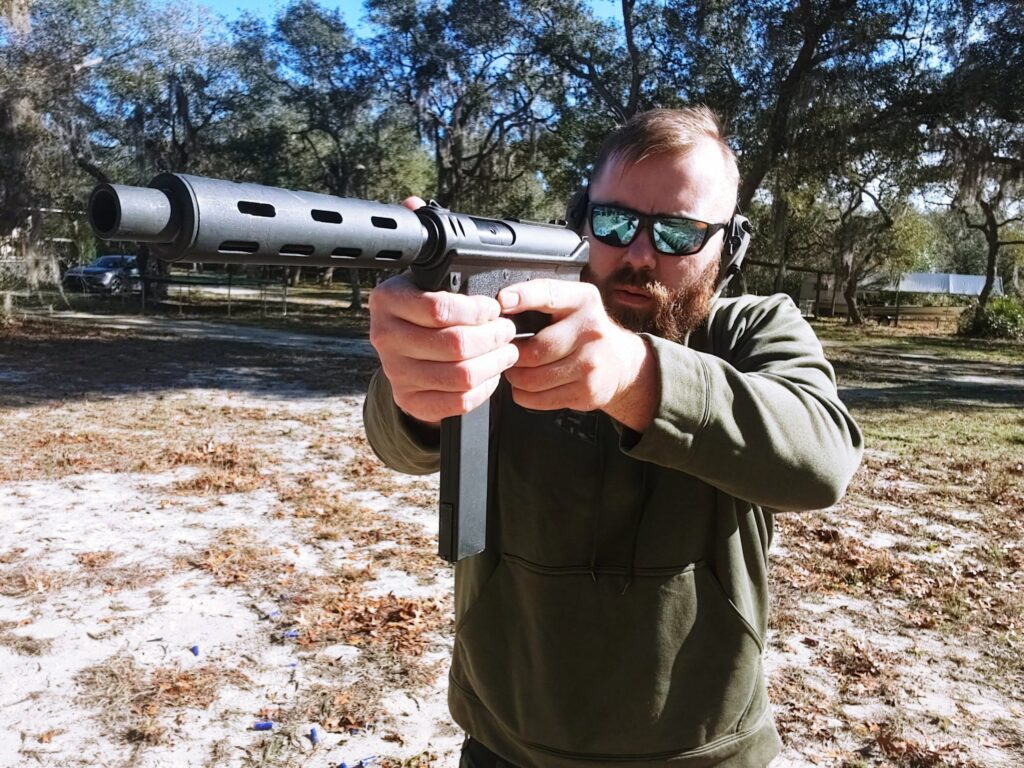
Guns like the TEC-9 even dive into the politics of firearms. The TEC-9’s appearance made it a big target for gun control groups, regardless of its reliability issues and general clumsiness. These guns are like living bookmarks for the firearm industry that reach into politics and beyond.
Advertisement — Continue Reading Below
They Are Interesting
A lot of the time, a gun fails when it deviates too far from the norm. Again, the USFA Zip is a great example, but so is the Taurus Curve, the COP derringer, and countless other terrible guns. Breaking from the norm makes them interesting. They operate a little differently, shoot a little differently, conceal a little differently.
To me, that’s interesting, even if they aren’t all that successful. There are only so many times I can shoot a striker-fired polymer frame pistol and remain interested. Toss in a goofy manual of arms, bizarre ergonomics, or just plain weird operating systems, and it remains interesting.
Advertisement — Continue Reading Below
Oftentimes, at the very least, these guns can be interesting to look at. The TEC-9 is ugly, but the heat shroud and polymer frame certainly look different. It’s not that the operating systems, ergonomics, or looks are good, but they are interesting.
Terrible Guns Are Collector’s Items
It’s rare that a terrible gun remains in production very long. They fade away due to poor sales, so production is often limited. Any kind of rarity makes the guns desirable. Once something’s tough to get, people tend to buy it up or hold onto it.
Advertisement — Continue Reading Below
Is my .22LR Wamo rare? Yep. Do I do anything with it? Nope, but I will hoard until it becomes a burden on my family. As far as collector’s guns go, they might be tough to find, but they tend to be cheap when you do find them.
This makes them rare and cheap, a somewhat combination we don’t often see in the firearms industry.
They Have Their Place
Terrible guns have their place. It’s in my gun safe. I have poor taste in guns, and it shows. Still, I know I’m not the only one. As such, I think they deserve their own special place in our hearts and in the historical annals of the firearm industry.
Advertisement — Continue Reading Below