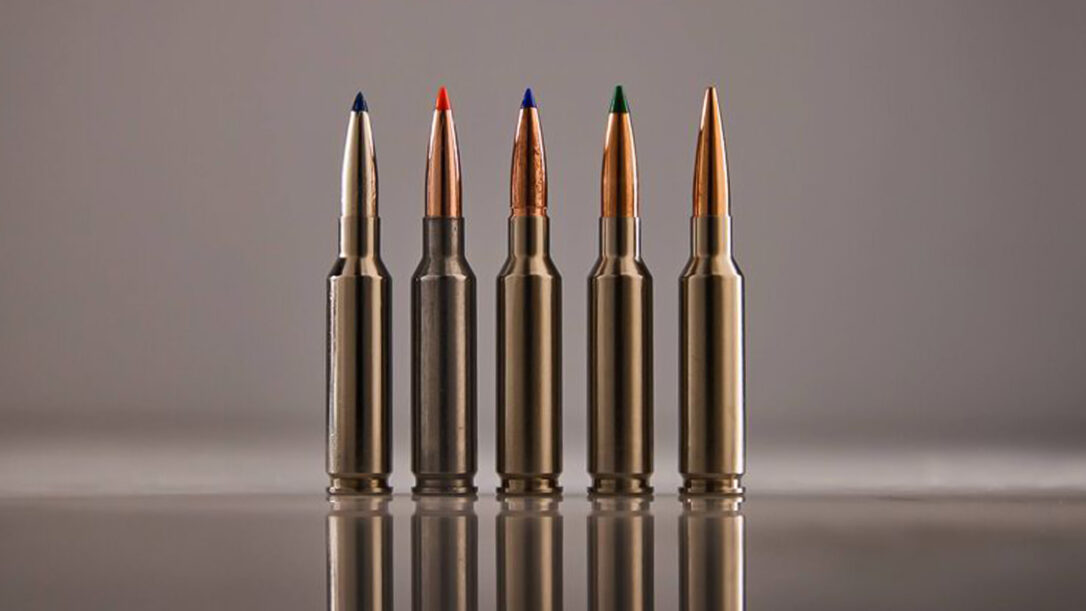
Who thought that in the year of our Lord 2026, we’d be going back to steel case ammo? Okay, not quite steel case, but steel-alloy. Federal’s new Peak Alloy casing might be an absolute revolution for the small arms industry. In terms of firearms, it’s tough to get better than what we have right now. The key to advancing small arms will lie in the ammunition.
The Advantages of Peak Alloy Casings
How do we shoot further, penetrate deeper, defeat armor, and improve terminal effect? Just adding more powder doesn’t work. Brass can only take so much pressure before it ruptures. Guns can only take so much pressure before they fail or explode. How do we increase the potential of a cartridge?
Advertisement — Continue Reading Below
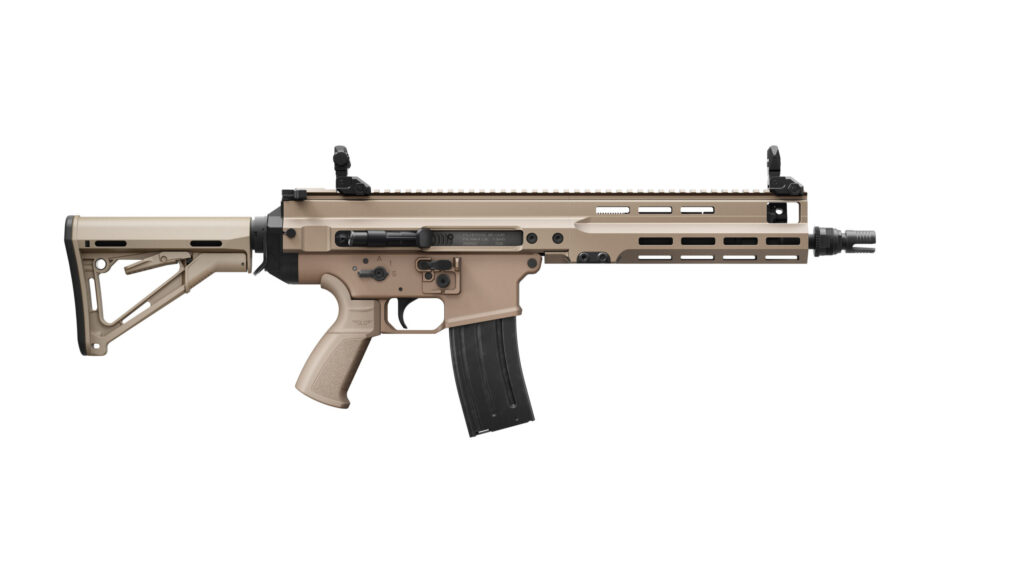
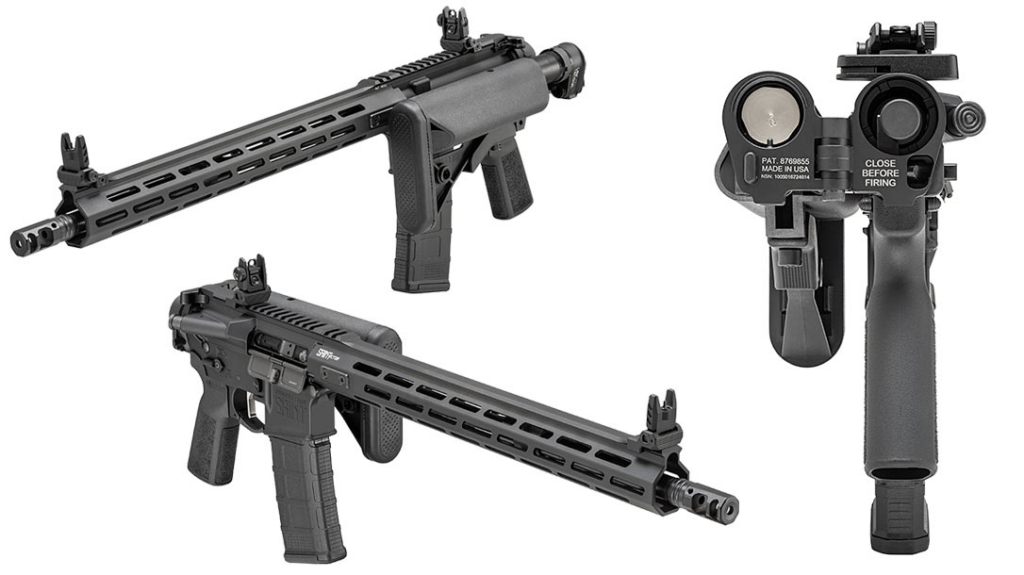
The military is looking at the HICAR to get the gun, but what about the ammo? Federal’s Peak Alloy case might be the answer in terms of ammunition.
Peak – Not Your Average Steel Case
Steel case ammo is often associated with the lowest cost ammo out there. Cheap ammo is often made overseas at rock-bottom prices. Peak alloy is not that kind of steel ammo. It’s a steel alloy that ditches the downsides of steel ammo. First, it’s reliable, up to three to five times.
The steel alloy design allows the case to expand inside the chamber, creating a good seal, but unlike traditional steel, it instantly recovers back to a normal size for smooth and consistent ejection. Federal also has a corrosion-proof coating to keep the ammo rust-free and to ensure it feeds smoothly and consistently.
Advertisement — Continue Reading Below
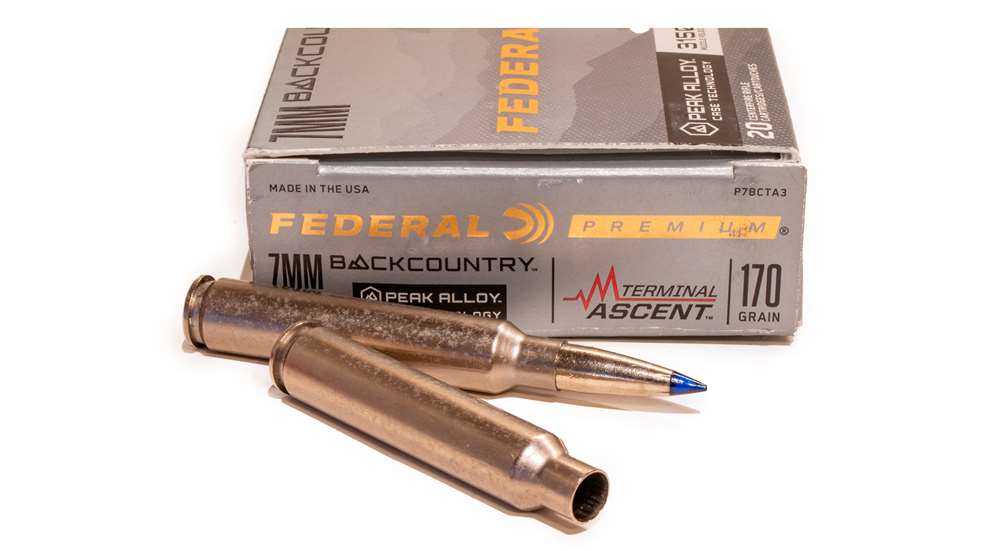
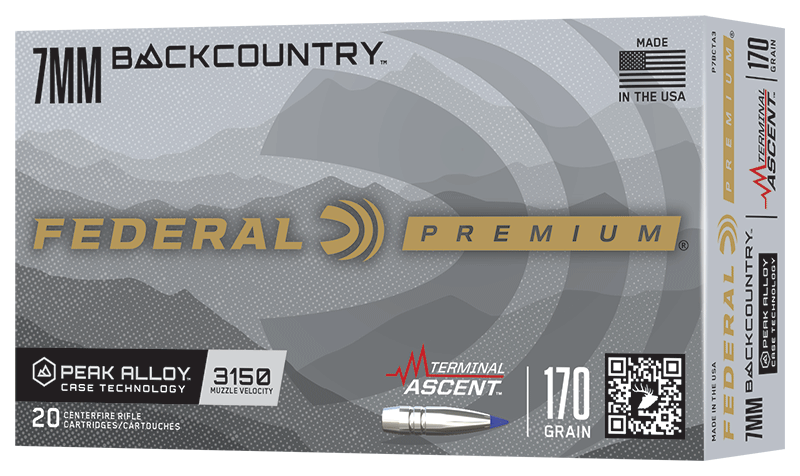
We first saw Peak Alloy in February 2025 with the release of the 7mm Backcountry. The 7mm Backcountry was a non-magnum cartridge capable of generating 80,000 PSI. That allowed for a flat-shooting rifle cartridge without the weight and size of magnum rounds. Brass case taps out at around 60,000 to 62,000 PSI, so adding another 20,000 PSI is a huge benefit.
How does this affect your gun? According to Federal, due to the strength of the case, the guns don’t see any difference. They are still safe and functional in the same way. The cartridge case contains the pressure spike.
Advertisement — Continue Reading Below
Is It Just More Powder?
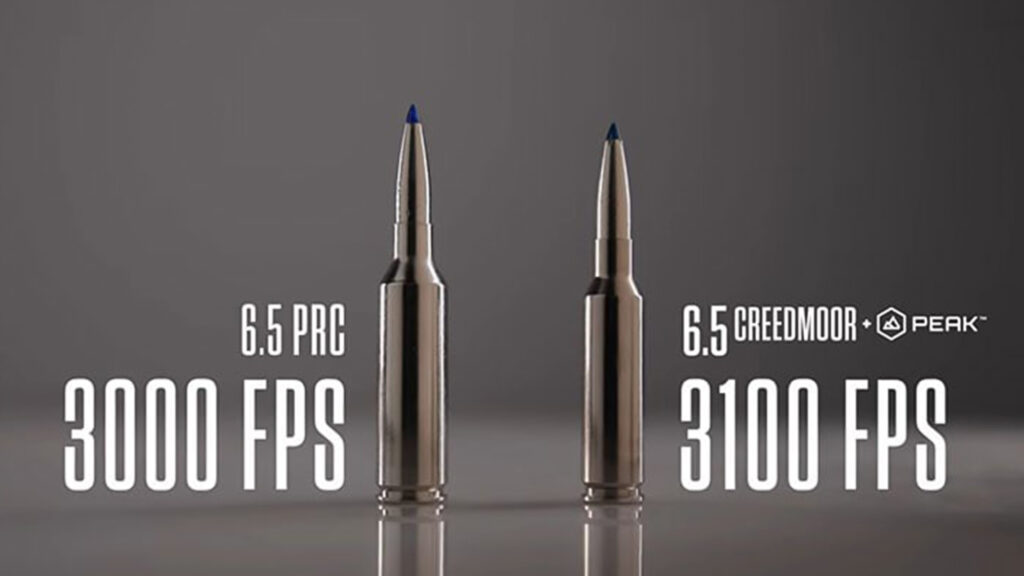
One way to increase velocity is to just add more powder. Ask any reloader who accidentally loaded a double-charged round. Peak Alloy is stronger, but it’s not just about adding more powder. Rather, you can use less powder, just a faster-burning powder. Those faster-burning powers create higher pressures and add additional velocity to your load.
You’re actually using less powder than other cartridges to see comparable velocities with comparable bullet weights. High-speed powders also allow us to use shorter barrels without losing effectiveness. If the powder is burning faster, it doesn’t need a longer barrel to keep burning.
Advertisement — Continue Reading Below
What about recoil? It certainly changes. It’s tough to compare using the how-it-hurts-my-shoulder meter due to the limited number of Peak alloy-cased rounds out there, and because I’ve fired only two rounds of 7mm Backcountry in my life. Folks wiser than me have told me it’s not a big increase from comparable cartridges, but it’s different. It feels snappier, but the increase in felt recoil is supposed to be quite minimal.
The Future of Peak Alloy
Peak Alloy was built due to U.S. Government solicitations. The Army recently licensed the case, and with the aforementioned HICAR looking for an M855A1+, it became a core part of a service cartridge. Time will tell, but regardless, Peak Alloy might be the future of high-pressure cases.
Advertisement — Continue Reading Below