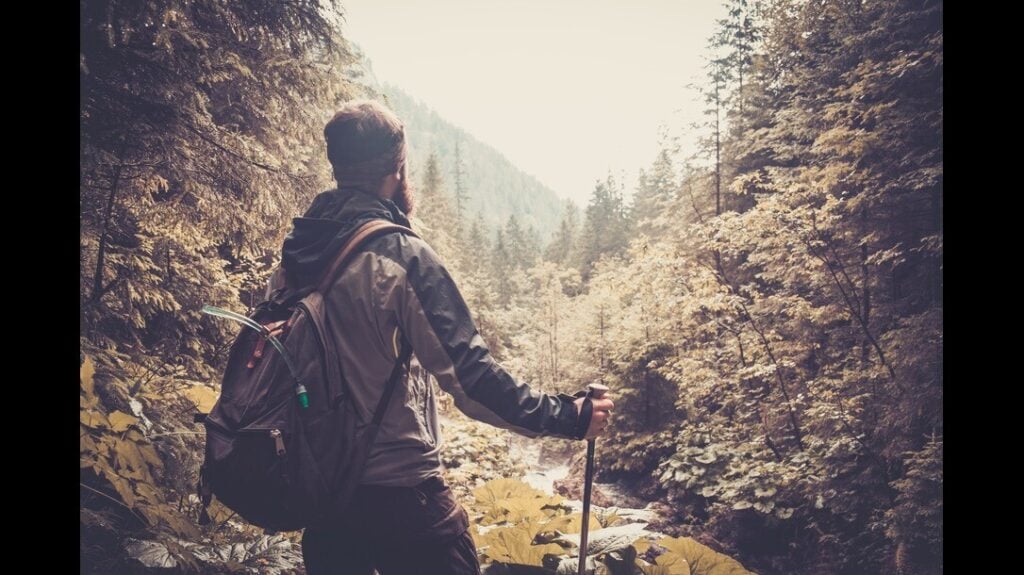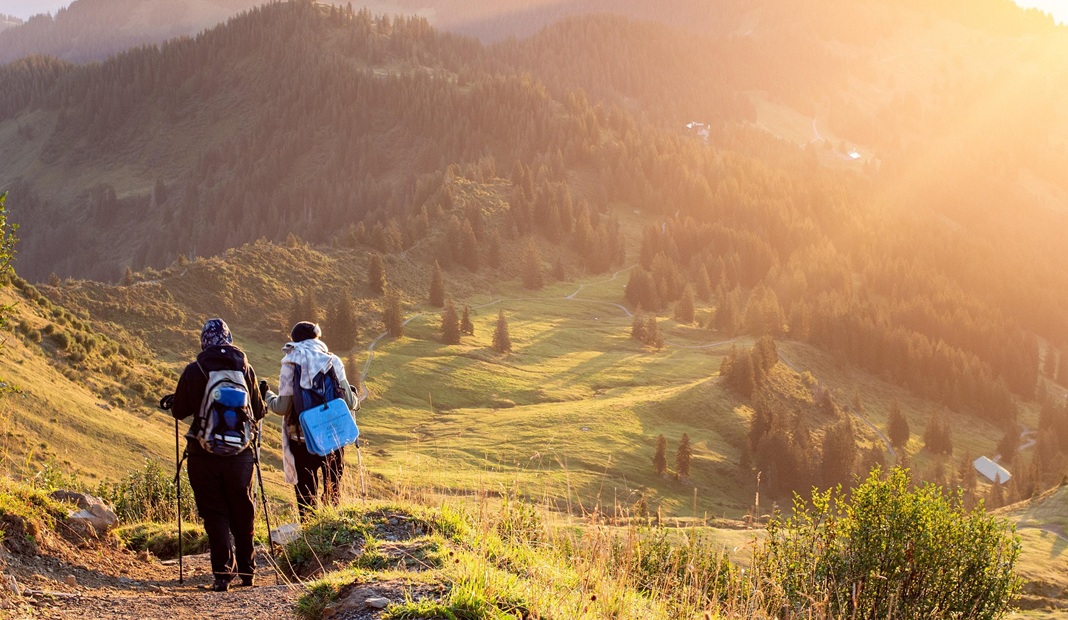
I wasn’t familiar with the term Alpine divorce until very recently. I have previously heard a bit about the behavior it describes, though. Basically, what happens is a couple goes hiking, then one of them leaves the other behind on the trail. It’s often the result of an argument. Sometimes it’s simply the lead person deciding to set different priorities than to watch out for the safety of their companion.
And sometimes it’s a very deliberate situation that was planned well in advance.
The Alpine Divorce
Where It Began
The origin of the term has been traced to a short story by Robert Barr that was published in 1893. The title is An Alpine Divorce. The story involves a married couple who are hiking through the Swiss Alps. The husband plans to push his wife off a cliff so he can be free of the marriage.
Advertisement — Continue Reading Below
It turns out she’d already figured out what he was going to do. So, she took steps to frame him for her murder long before they set foot on the trail. She reveals this to him, then jumps to her death to leave him holding the proverbial bag. Might not be the way I’d have handled it, but that’s her prerogative, I suppose.
Recent Example
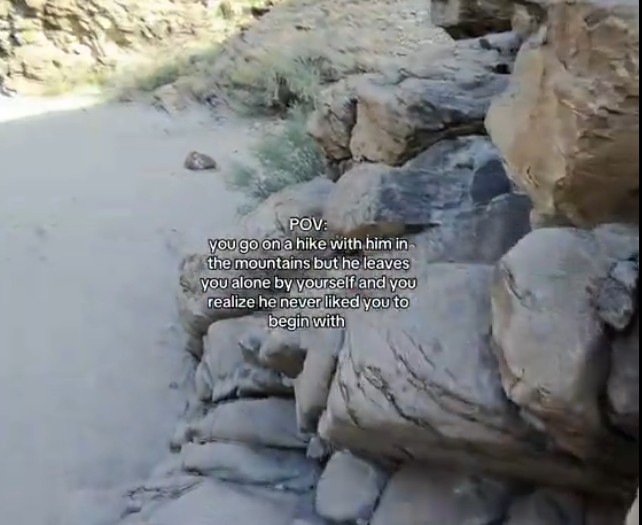
In February 2026, a video was shared on TikTok by @EverAfterIya. She had filmed herself walking on a rocky trail, very upset at having been left behind by the guy she’d gone there with. She had captioned the clip with, “POV: you go on a hike with him in the mountains, but he leaves you alone, and you realize he never liked you to begin with.”
Advertisement — Continue Reading Below
The video quickly racked up millions of views, as well as thousands of comments. While @EverAfterIya did thankfully make it home safe, her video sparked a chain reaction, with countless women, and even some men, sharing similar Alpine divorce experiences.
Not all of the experiences involved just a couple of people, either. Several instances occurred in group settings, where the bulk of the group left one or more hikers behind to fend for themselves.
Dangerous Situation
It should go without saying that leaving someone behind in the wilderness is an incredibly dangerous proposition. This is particularly true when the person is already struggling, whether due to fatigue, dehydration, or other factors. Add in darkness after sundown, and injuries aren’t just a possibility, they’re a near-certainty.
Advertisement — Continue Reading Below
Leadership and Group Dynamics
Craig Caudill from Nature Reliance School has talked a bit about Alpine divorce, particularly as it relates to leadership and group dynamics. As he points out, this sort of thing can happen at work, in our home life, pretty much anywhere that we interact with people on a regular basis.
Far too many people who see themselves as leaders do so because they think they’re the best in the group. The reality is that a true leader strives to make everyone in the group better, as well as works to ensure everyone makes it back home safe.
Advertisement — Continue Reading Below
What Can You Do?
Before you leave, make sure someone trustworthy back home knows where you’re going, who you’re going with, when you’re leaving, and when you should be home. If you don’t show up as planned and they can’t reach you, they should notify the authorities right away.
You should always have a basic survival kit with you when you hit the trail. At a minimum, it should include fire-making supplies, a water filter, a battery bank for your phone, a snack, a knife, and a flashlight. If something happens and you’re the one left behind, your kit should help you make it through until you can either safely self-rescue or get help.
Advertisement — Continue Reading Below
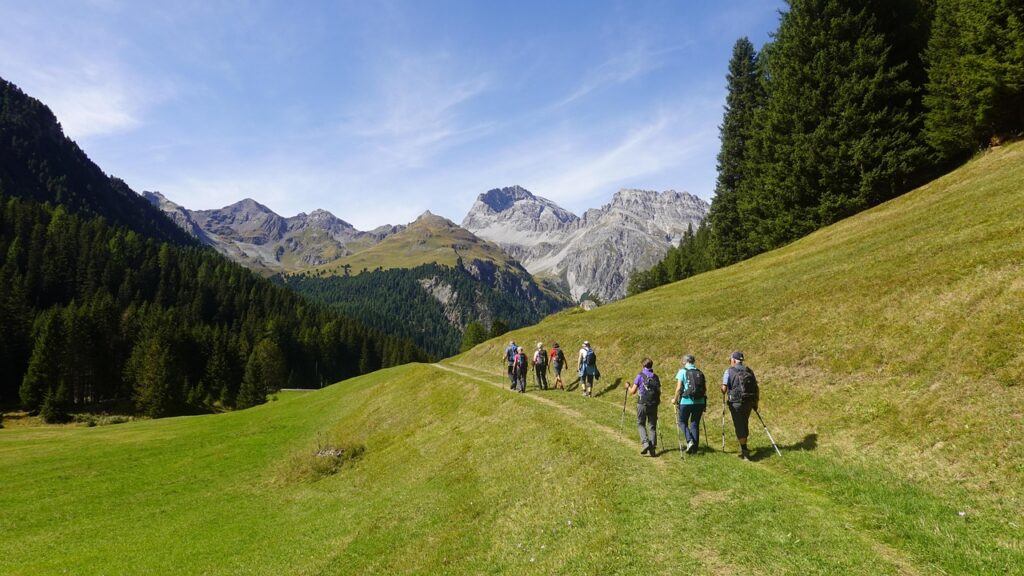
A group should travel at the speed of the slowest member. Failing that, the group should take frequent stops to allow everyone to catch up. And those breaks should include the slower folks, so they have an opportunity to catch their breath before everyone moves on again.
And hey, if you decide mid-hike that you’re going to break up with the person you’re with, wait to do that until you’re back to civilization.