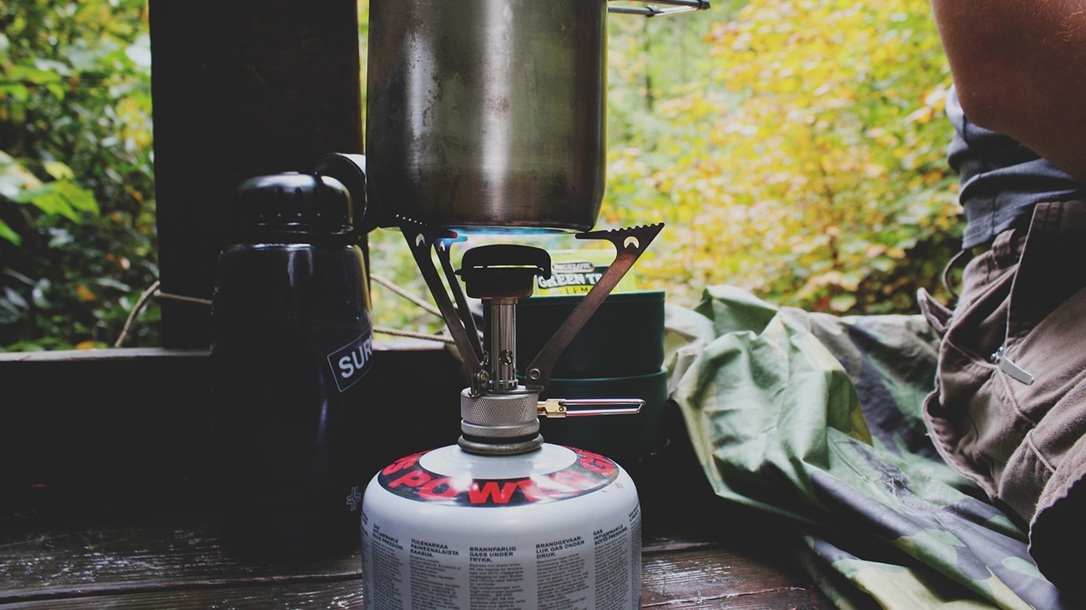
When you check out lists for recommended bug-out bag contents and similar kits, fire-starting supplies are always mentioned. And that’s for good reason, as fire will do a lot of things for us, including keep us warm and dry us out. However, it’s rare to see a canister stove and fuel mentioned, despite the value they add to the equation.
Once you give it a little thought, you’ll understand why adding those items to the pack makes a lot of sense.
What is a Canister Stove?
Let’s make sure we’re on the same page. A canister stove is a small burner that screws onto the top of a fuel canister. This is the MSR PocketRocket 2, which is the model I’ve been using for a couple of years.
Advertisement — Continue Reading Below
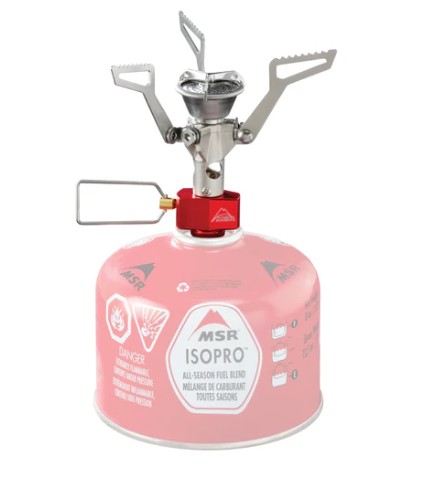
There are many other brands and models on the market. But they’re all fairly similar in design and operation. They’ll have arms that fold out to hold a cook pot as well as some sort of fuel control to adjust the size of the flame. When you’re done, turn it off and let it cool for a bit, then unscrew it from the fuel canister for storage.
Now that we’re on the same page, why should we keep this in our bug-out bag?
Advertisement — Continue Reading Below
Stealth
Depending on the overall situation, there may be a desire to remain somewhat hidden as you travel. Building a campfire, even a small one, could be detected from a considerable distance. Even if you keep the flame low, the smell of smoke is a dead giveaway.
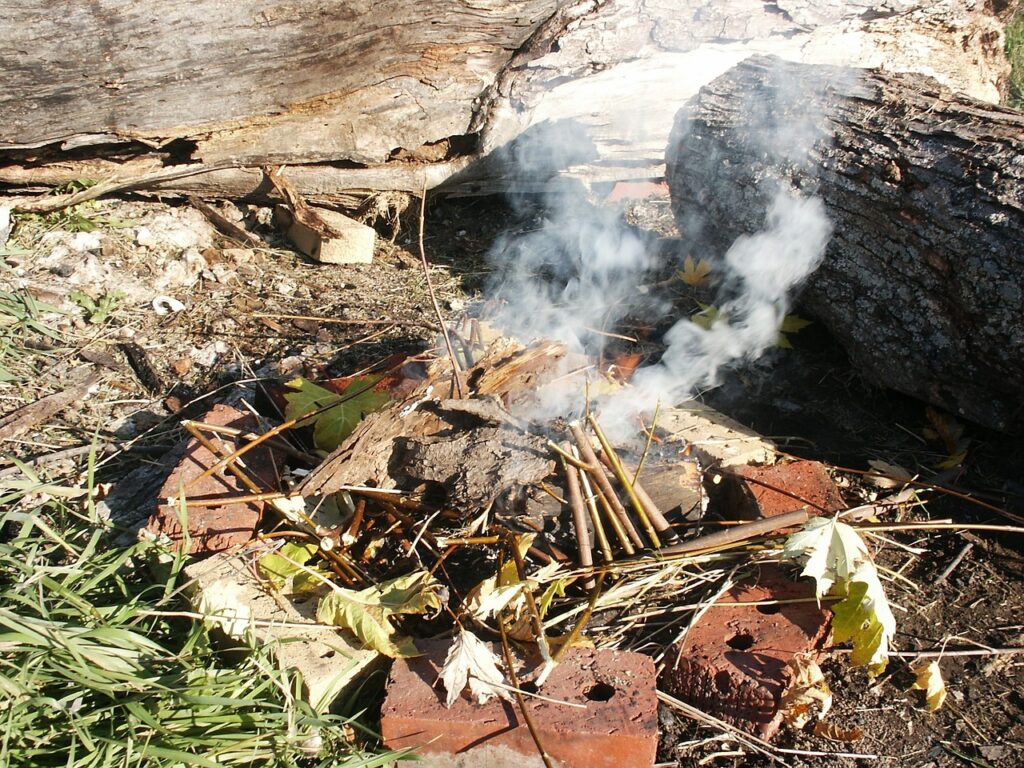
A stove like this doesn’t give off smoke unless you burn something in the pot. Most of the time, all you’re doing is boiling water to rehydrate food or to make coffee or tea, so that should be a non-issue. The flame is also very small and won’t be easily seen.
Advertisement — Continue Reading Below
Speed
Let’s say we have a race. The goal is to bring two cups of water to a boil. You’re going to build a fire, and I’m going to use a canister stove. I could give you a head start, and I’m still going to have water bubbling long before you will.
Not only that, but breaking everything back down to get moving again is also simple and easy. All I have to do is unscrew the stove from the fuel canister and stow them both in my pack. You’ll need to put out the fire and ensure it’s fully extinguished to avoid starting a forest fire and adding more trouble to the situation.
Versatility
It’s probably not a great idea to build a campfire in a motel room or other indoor space. On the other hand, a canister stove is just fine in that situation. I’d advise cracking a window to allow for good ventilation, just in case. But even if the power is out, I can make coffee or heat up water for a freeze-dried meal without going outside.
Advertisement — Continue Reading Below
What About Weight?
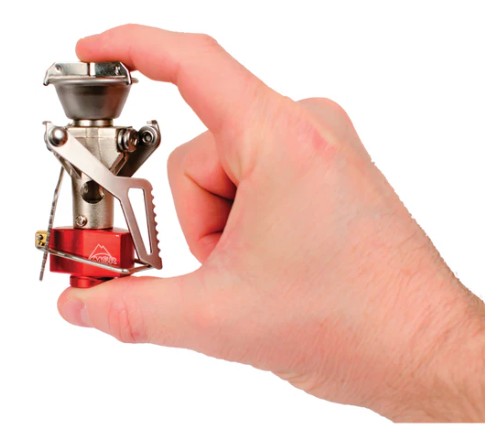
Weight is always a concern with any backpack or similar conveyance. The MSR PocketRocket 2 weighs 2.6 ounces. That’s less than a deck of playing cards. Other models are going to be somewhat similar in size and weight. A four-ounce canister of isobutane weighs about 7.5 ounces.
There are a number of factors that will influence how many burns you’ll get from a fuel canister, including ambient temperature, the temperature of the water you’re going to boil, and whether you’re using any sort of windscreen.
Advertisement — Continue Reading Below
On average, figure around 0.2-0.3 ounces of fuel to bring two cups of water to a boil. That equates to about 15-18 uses of the canister before it goes empty, fewer if you’re dealing with exceptionally cold temperatures or if you’re using the stove to do more than just boil a couple of cups of water.