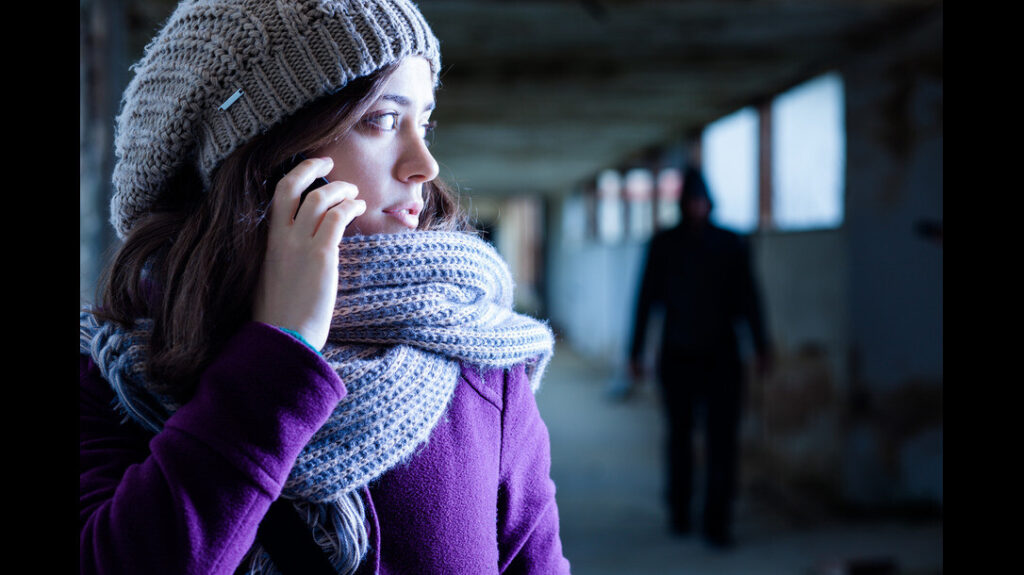
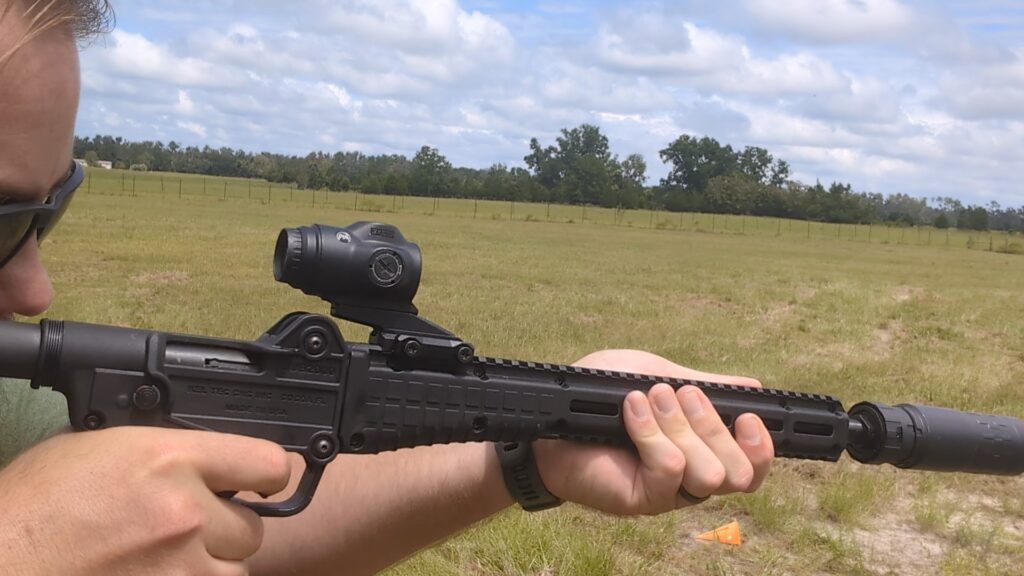
We train a lot on how to use our firearms. How to draw, how to shoot fast, and how to shoot straight. Smart people will train their situational awareness skills; they will avoid threats and situations at all costs. We plan for the before and the during, but what can we do to prepare after? What should we do after the first shot is fired? These are the post-shot logistics.
What to Do Immediately Post-Shot
Mentally try to imagine what happens after you have pulled the trigger in a self-defense situation. The threat is no longer a threat. Maybe they ran, maybe they are wounded, maybe they are dead. Regardless, you have used your firearm to defend yourself.
Your ears are likely ringing, especially if your firearm has been used indoors. You might be deafened by the shot or by auditory exclusion. In fact, you might experience a whole host of issues. Your brain is still prioritizing survival over logic. During the event, you may experience tunnel vision, auditory exclusion, time dilation, and memory fragmentation.
Advertisement — Continue Reading Below
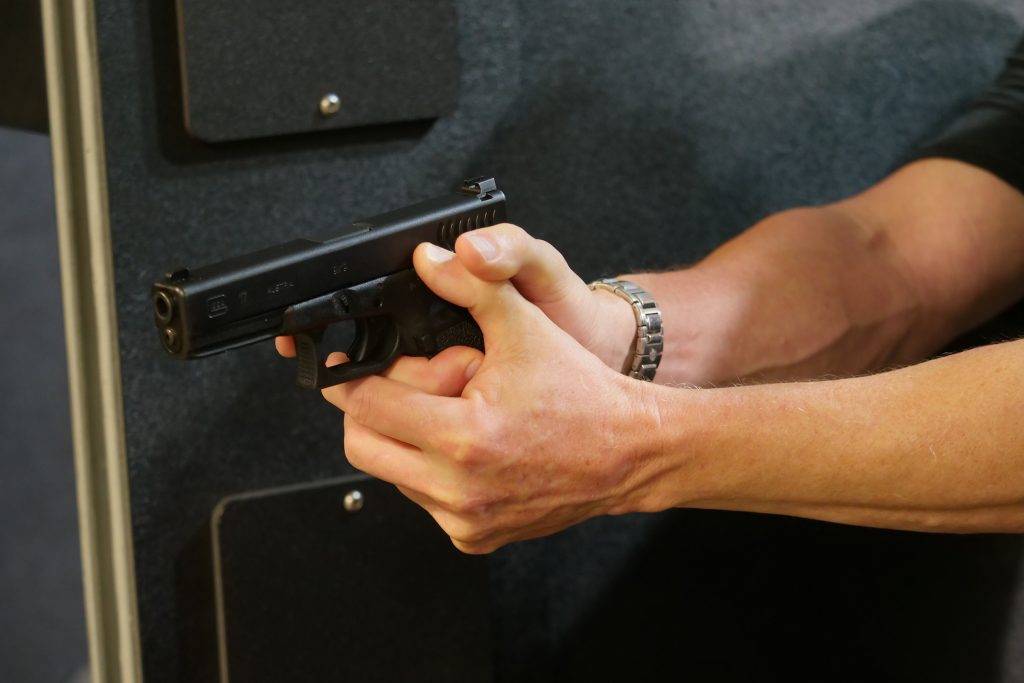
You could experience a post-shot wave of nausea. Fine motor skills might be degraded, especially when your hands are shaking.
That sucks, because now you have to call the police. First, we need to holster your weapon or secure it in some fashion. Calling the police might feel difficult while your hands are shaking and you are hard of hearing, but you have to do it. You will need to provide a location of the event, a description of the event, and it is probably a good idea to provide a description of yourself.
Advertisement — Continue Reading Below

You will likely remain on the line with the dispatcher. What you say is recorded, so remember to act accordingly, because if there is a trial, they will play that audio. If they advise you to disarm, then do so; place the weapon in a safe area off your body.
What Is Next?
Next, we need to remember that you are at the scene of a crime. Did you commit a crime with a legally justified use of force? No, but whoever attacked you did commit a crime. It also might be assumed you did, in fact, commit a crime. The point being: do not mess with the crime scene.
Advertisement — Continue Reading Below
Do not pick up casings, do not move things, and leave everything as is.
Prepare for the police to arrive. You really do not want your gun to be in your hand when they do. Having your arms raised and away from your body is the best bet. This aids officers in securing the scene. Part of that post-shot security will likely involve having you lie on the ground with your hands behind your back and wearing a set of bracelets.
Advertisement — Continue Reading Below
Comply, comply, comply. You can beat the rap, but you cannot beat the ride. If your gun is holstered, offer that information, but try not to yell “I have a gun.” Cooperate with the officers and their commands, but you do have the right to remain silent.
The Legal Side
I am not a lawyer, a legal expert, and I did not sleep at a Holiday Inn. The idea that you should take any legal advice from me is laughable. I do not have much to offer. I cannot in any way advise you on how you should best handle the police from a legal standpoint. The only thing I would say that is even close to legal advice is: get a lawyer.
Personally, I am a fan of shutting the hell up. This is not an anti-law enforcement stance, but one that is seemingly supported by physiology and research.
Advertisement — Continue Reading Below
You do not need to trauma dump on the first officer you see. Your mind will be racing, you will be traumatized, and your brain is not going to be working right. It is physiology. You get to enjoy something called the Body Alarm Response.
After a defensive event, your drop in adrenaline can cause something similar to logorrhea, also known as hyper-talkativeness. It is an urge to talk to vent anxiety.
Advertisement — Continue Reading Below
You might find your brain in a cognitive lock. You will struggle to find the simple words to justify or explain yourself. Your prefrontal cortex, which is the logic center, is still being hacked by the amygdala, the survival center. What happens is your brain has to put together everything that happened after the event.
The Importance of Rest
Dr. Lewinski of the Force Science Institute has researched the phenomenon and recommends 48 hours between an event and questioning. When you sleep, your brain can put together the data to give an accurate representation of what happened. This research has influenced police policy, and many agencies use the 48-hour rule after a use of force.

Advertisement — Continue Reading Below
If parts of law enforcement use that same rule, maybe it is one we should all consider. Sleep and time allow you to give an accurate statement and do not give the appearance of you changing the story between right after the event and days later.
If you are torn on what to say or do, or how to say it, then do not. Have your lawyer there providing the legal advice they are paid to provide.
Post-Shot Logistics Summary
No one ever wants to use their firearm in self-defense. However, being ready for the before, during, and after can ensure you are fully prepared to do so. Keeping a cool head during a massive adrenaline dump can be difficult to do, so mental preparation can be the key to success.
Advertisement — Continue Reading Below