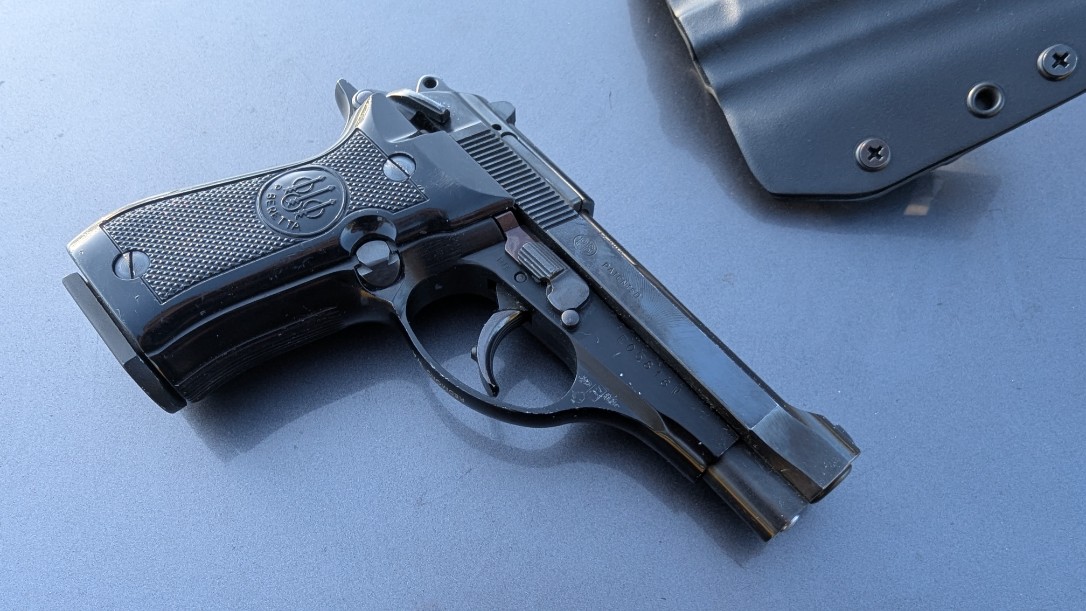
There is an entire genre of handguns produced these days that aim to capture the low-recoil market. S&W has the EZ series, Ruger has the Security-380 and LiteRack LCP, and Walther has the CCP series. These are all fairly new, but Beretta produced the best low-recoil defensive handgun back in 1976: the Beretta 81 Cheetah.
It’s easy to get lost in the Beretta Cheetah catalog; there are many models. The Model 81 was a .32 ACP pistol featuring a direct blowback design, a DA/SA trigger, and a double-stack magazine. Beretta recently recognized the design’s excellence and capability by introducing a .32 ACP variant of the modern Beretta 80X. This modern option features an optics-ready slide and a rail for a light.
Advertisement — Continue Reading Below
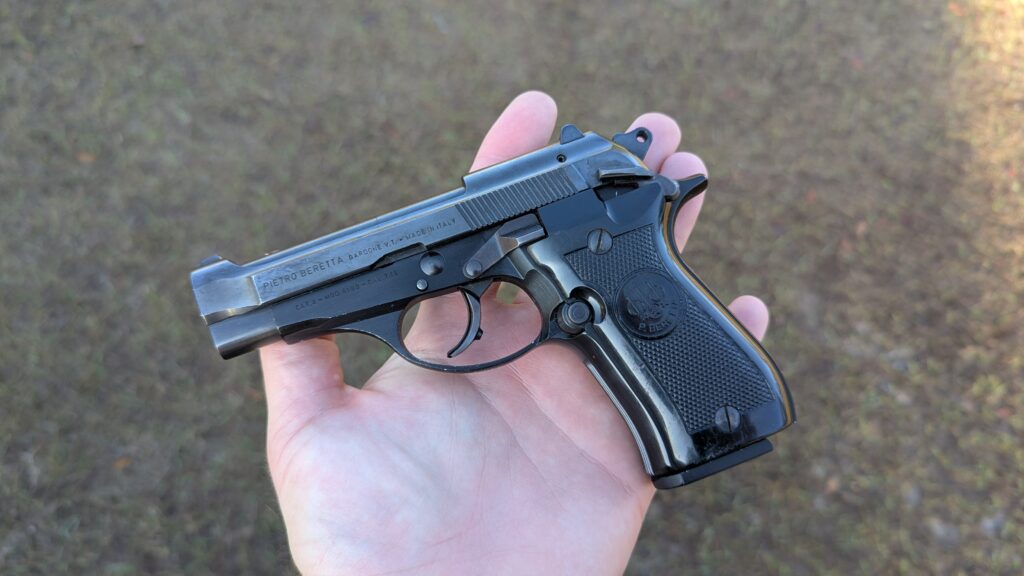
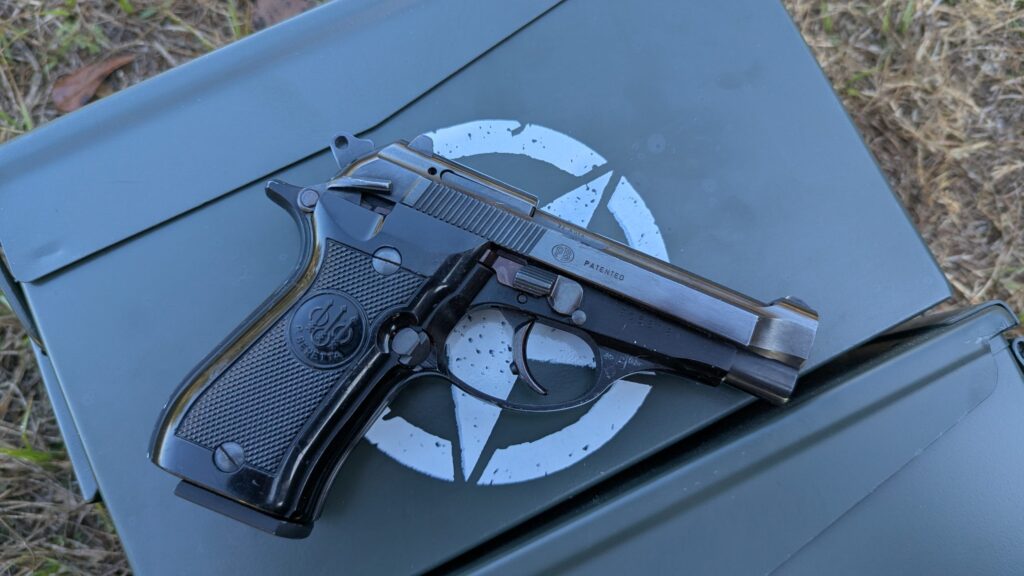
The older Beretta 81 comes in a variety of configurations. Mine is the 81BB, for example. Here are the various models on the market:
- 81: The original model with no letter suffix. It features a round trigger guard and a high-gloss blued finish.
- 81B: Introduced in 1980, this model added a firing pin safety and a shorter extractor.
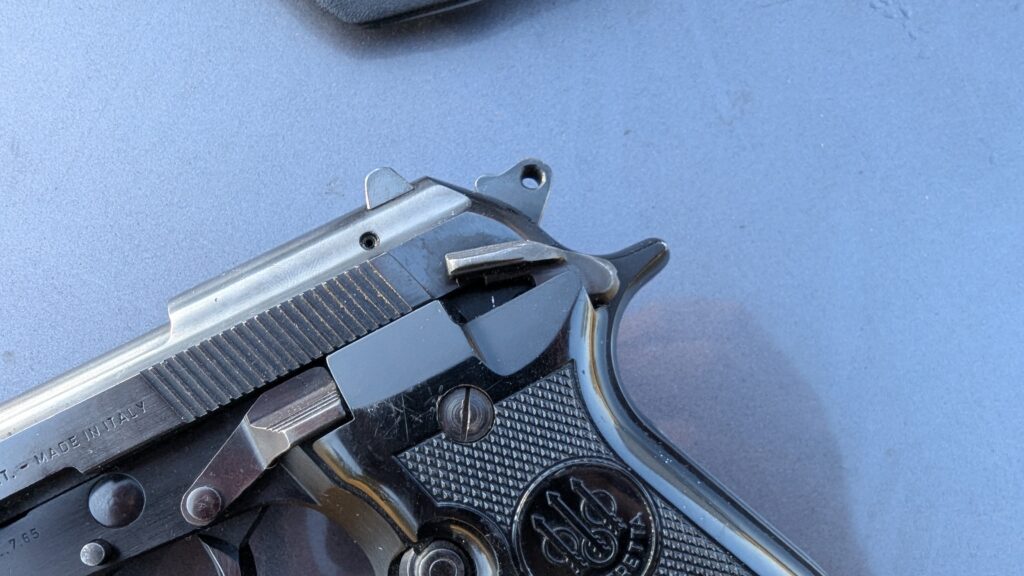
- 81BB: This variant kept the firing pin safety and short extractor while adding more slide serrations and three-dot sights.
- 81F: This model introduced a squared-off combat trigger guard, a Bruniton finish, and a safety that doubled as a decocker. It also retained the upgrades of previous models.
- 81FS: The final model produced until 2017, featuring minor internal safety improvements.
Why the Beretta 81?
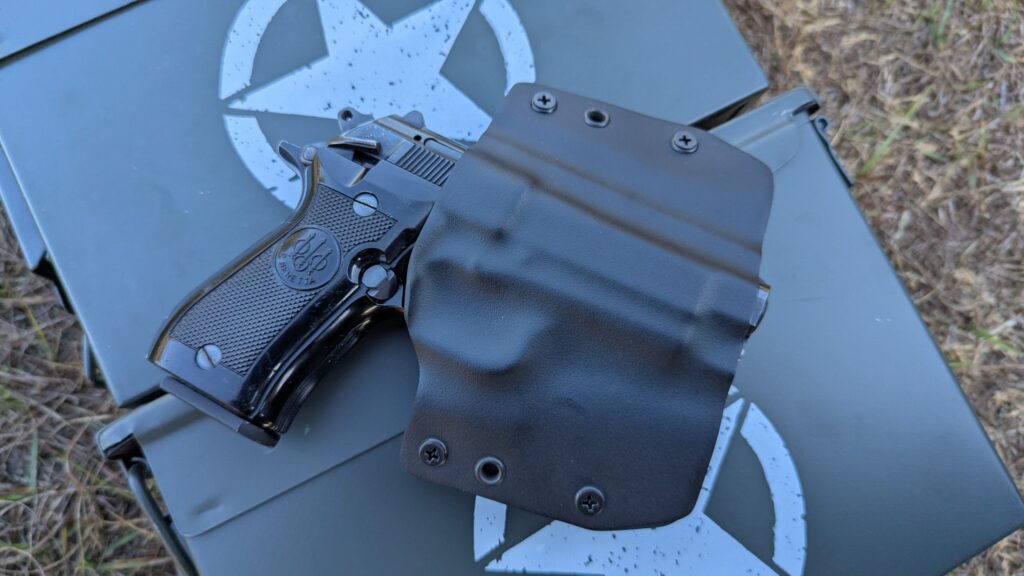
The Beretta 81 is not a pocket pistol. It is all-metal and roughly the size of a Glock 19, just a bit svelter. It still falls into the “easy to conceal” realm; you can carry it AIWB or IWB with ease. I’ve even carried it OWB, where the slim design makes it easy to hide under a slightly baggy t-shirt.
Admittedly, the DA/SA trigger isn’t as simple as a striker-fired or DAO design. You have two different trigger pulls to contend with. However, the safety allows you to carry it “cocked and locked” in single-action mode. Personally, I still prefer the heavier initial double-action pull. While it is heavier, the overall weight of the trigger is still light enough for easy management.
Advertisement — Continue Reading Below
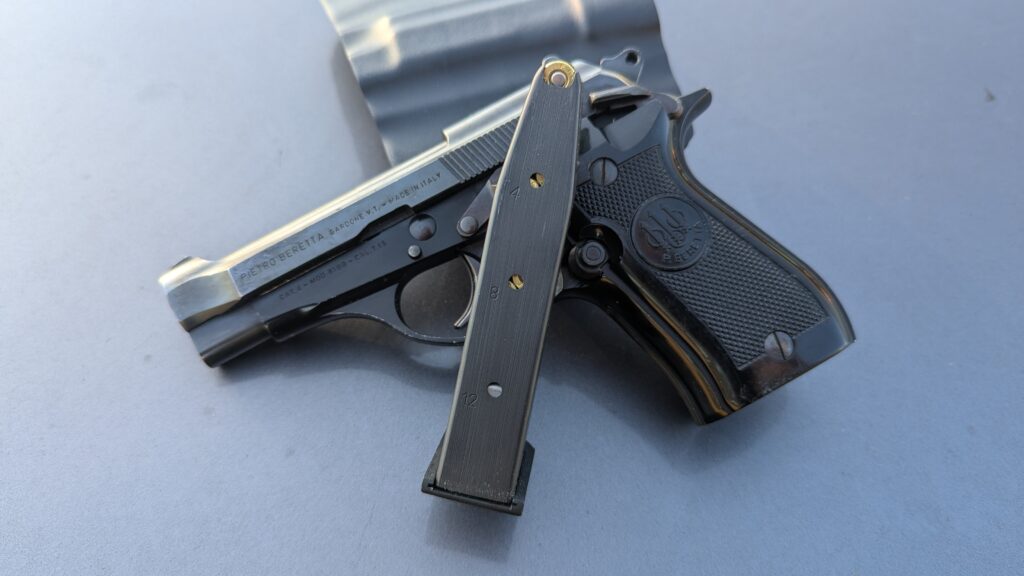
Ergonomically, the gun is sized just right. The grip is long enough to fill the hand, and the frame-mounted safety is easy to activate. The magazine release is intuitive, and the slim frame will fit most people’s hands. The grip panels are fine, though they could use a bit more texture.
The slide is very easy to manipulate. If it feels difficult, you can cock the hammer first to make working the slide effortless. The weapon uses double-stack magazines, giving you 12 rounds of .32 ACP. Compared to modern guns of a similar size, the capacity seems low, the P365 holds 12 rounds of 9mm and is much smaller, but there is something special to be said about the .32 ACP cartridge.
Advertisement — Continue Reading Below
The .32 ACP Advantage
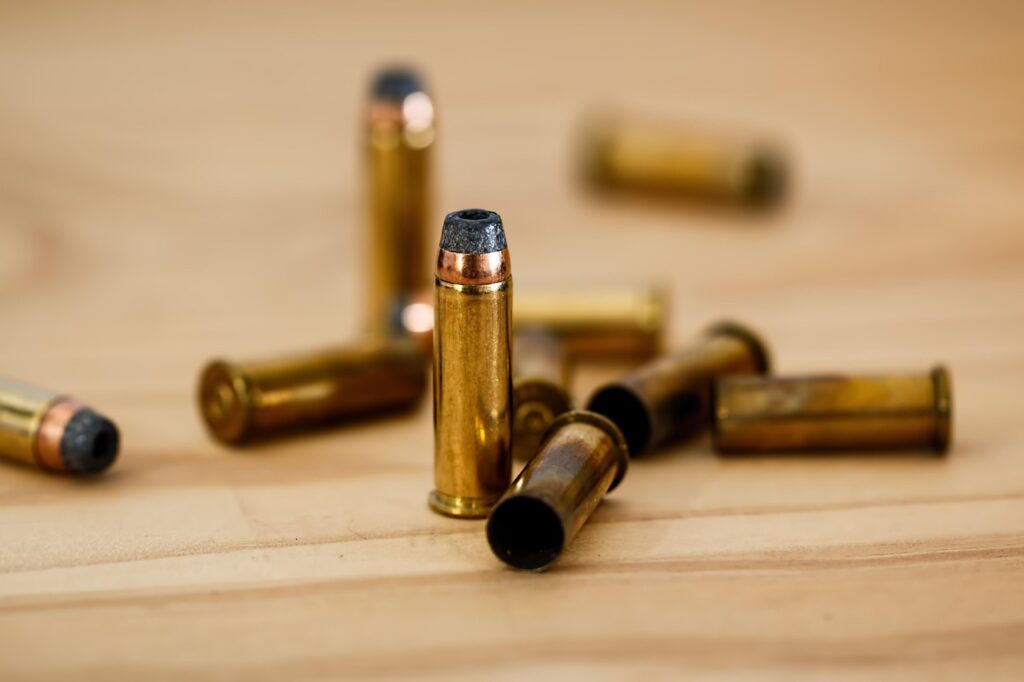
The use of .32 ACP will instantly turn some shooters off. The American mindset of “minimum calibers,” like .380 or 9mm, often causes people to overlook effective cartridges for those challenged by recoil. .32 ACP isn’t an optimum cartridge—it’s expensive and doesn’t always perform well with jacketed hollow points.
Because of this, you have to research ammo that will meet penetration standards. One advantage the Beretta 81 offers is a 3.8-inch barrel, which increases velocity and aids in penetration. Rounds like the 60-grain XTP have proven to be quite capable for defensive use from these longer barrels.
Advertisement — Continue Reading Below
Alternatively, you can stick to the classic 73-grain Fiocchi FMJs, which provide excellent penetration from both pocket pistols and the longer-barreled Beretta 81. Note that .32 ACP has a semi-rimmed case and can be subject to “rimlock” if the overall cartridge length is too short. This can be an issue when shopping for hollow points, so ensure you choose a cartridge that matches the length of classic FMJ .32 ACP.
With all that in mind, does the .32 ACP offer enough benefits? It handles brilliantly. There is hardly any recoil from the Model 81. You can shoot it rapidly with ease, and the gun barely moves. You can “mag dump” as fast as possible and still create a group smaller than your palm. The recoil feels closer to a .22 Magnum than a .380 ACP, but you get centerfire reliability. For low-recoil users, it’s tough to beat.
Advertisement — Continue Reading Below
The Basics
In usual Beretta fashion, the 81 handles the basics of being a “good gun” very well. The three-dot sights are easy to see, and the gun is quite accurate. I can punch fast, tight groups at close range and even hit man-sized targets at 25 and 50 yards. That thick, hand-filling grip does a great job of letting you put lead on target.
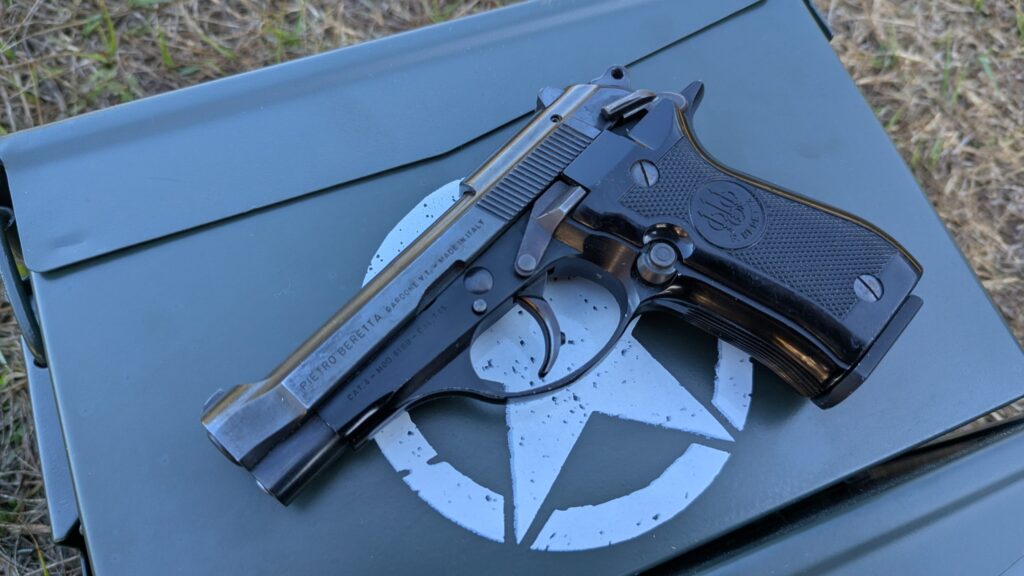
The trigger isn’t Beretta’s best, but it’s fine for a DA/SA design. The double-action isn’t harsh, though it isn’t as refined as the GTS or the newer 80X series. The single-action break is crisp, though there is a fair bit of pre-travel.
Advertisement — Continue Reading Below
The Beretta 81 is also exceptionally reliable. I’ve fired a case of .32 ACP through it so far without a single malfunction. I’ve run into some hard primers in surplus ammo, but if the single-action pull failed to ignite them, the second double-action pull finished the job. I’ve only shot about 100 hollow points so far and haven’t experienced rimlock, but it is still worth keeping an eye on.
Final Thoughts
The Beretta 81 series hasn’t become overly expensive yet. Production lasted for decades, so there are quite a few on the market at affordable prices. I spent $350 on this used 81BB. While I might point newer users toward the modern 80X, the 81 remains a more affordable entry point. It’s an excellent low-recoil option for self-defense that delivers the classic Beretta quality you expect.
Advertisement — Continue Reading Below