Survival Fallacies spread fast. They get repeated, recycled, and dropped into books and PowerPoints until they feel like truth. Here are a few of the greatest hits—ideas often regurgitated without real‑world testing. I want to break them open, strip out the fiction, and shine some field light on what actually works when the stakes rise.
Survival Fallacies to Ignore
Suck Venom from Snakebite for Survival
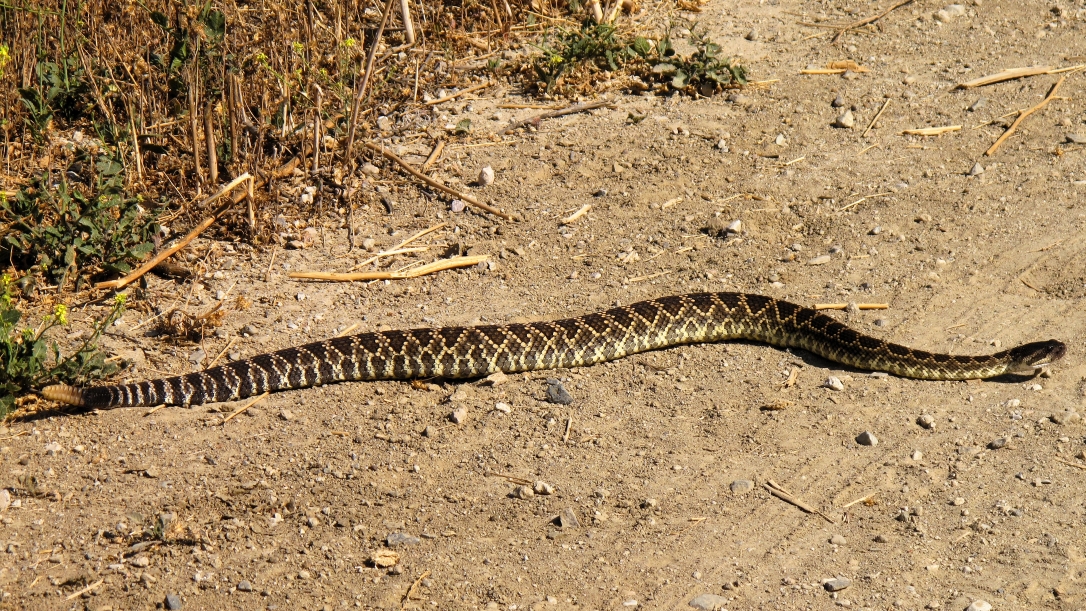
This myth refuses to die because it feels heroic and dramatic, but it fails in the real world. Suction can’t pull venom back through tissue once it spreads. The attempt only chews up the wound, drives bacteria into it, and burns precious minutes you should spend calming the victim and planning evacuation.
Mouth‑to‑wound contact adds infection risk and creates a second patient. Pressure, immobilization, and rapid transport beat cowboy theatrics every time. Hollywood sells the scene. Nature doesn’t honor it.
Advertisement — Continue Reading Below
Uprooted Tree Survival Shelter Fallacy
Ok, in all fairness, I’ve seen maybe two uprooted trees that looked suitable for a natural survival shelter. They all look perfect in a book where it’s a diagram rather than a photo. Do you know why? Because, for the most part, they don’t exist without one or more very wrong things.
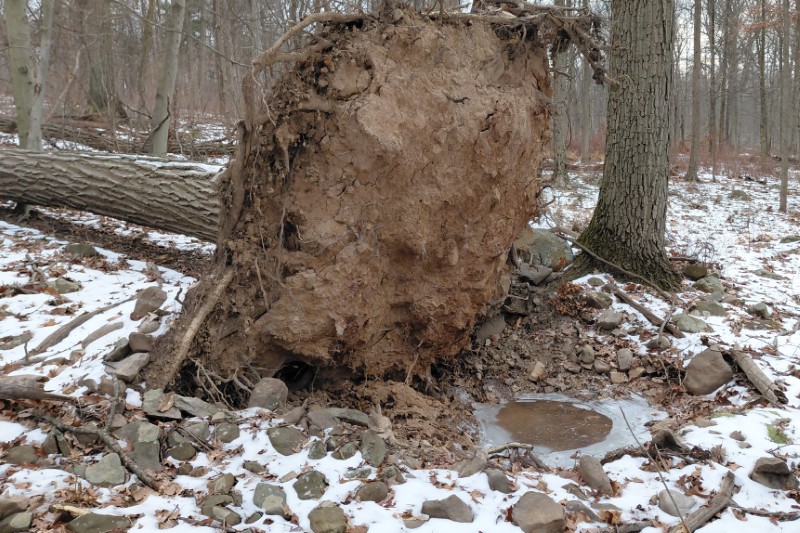
Next time you spot one of these uprooted trees, take note of the huge crater-like void they leave. This void collects water and snow, making it a terrible survival shelter. And look up. Notice the bowling-ball-sized rocks protruding from the fickle soil. Look down to see the rocks that have already loosened and fallen. A drop from that height could injure or even kill a camper below. Fallacy busted!
Advertisement — Continue Reading Below
Running Water, Always Safe to Drink
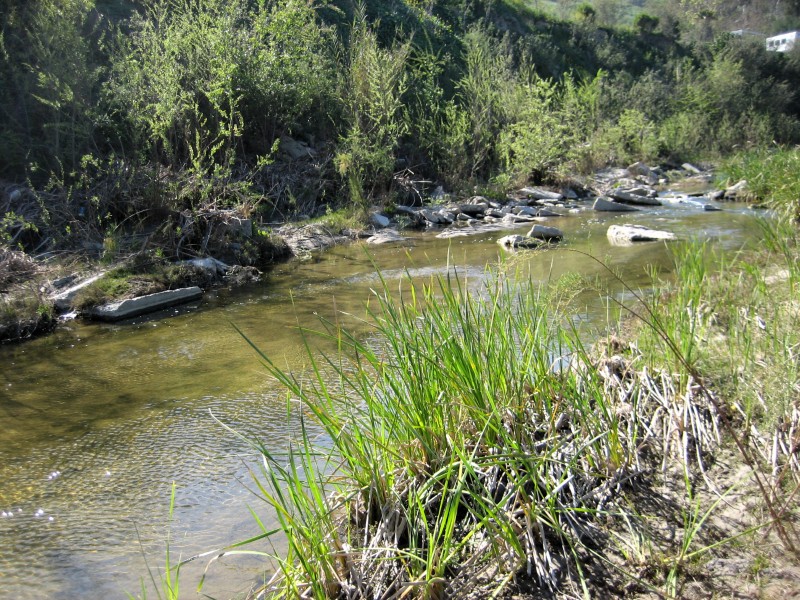
People trust moving water because it looks clean and feels fresh, but flow doesn’t neutralize anything. Giardia, Cryptosporidium, and bacteria ride currents just as easily as they do in still pools. A fast stream often gathers more contamination because it collects everything upstream—animal waste, decaying vegetation, old mining runoff, or a dead deer wedged in a bend.
Cold, clear water can still carry a microbial punch. Treat it, filter it, or boil it before drinking. Movement creates the illusion of purity, not the guarantee. Truly one of the more popular survival fallacies!
Advertisement — Continue Reading Below
Pealess Survival Whistle
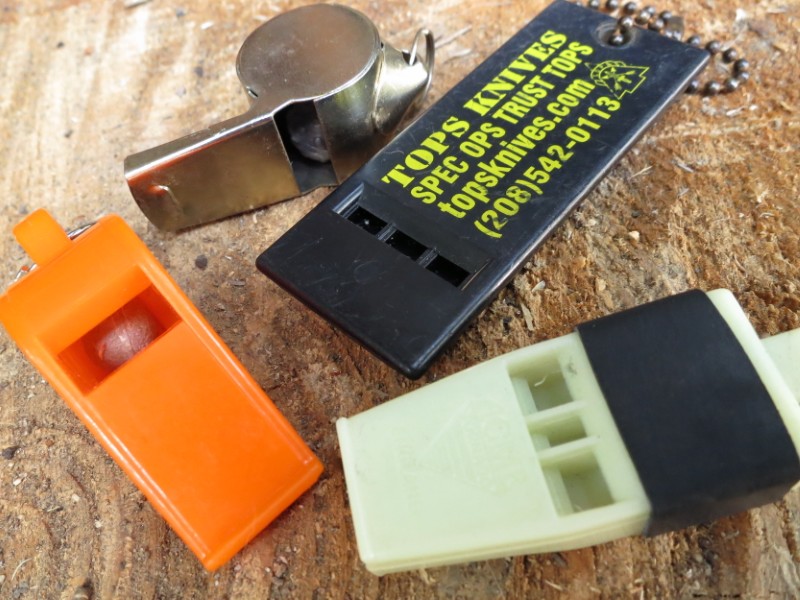
I bought the old warning about “peas freezing in cold weather” for years because it sounded reasonable. Warm breath meets cold air, moisture freezes, the pea sticks—simple story, right? I eventually tested it years ago at a high-elevation winter camp. I left metal and plastic referee whistles outside through freezing nights with wind cutting across them. I tried again and again. Nothing froze. Nothing stuck. The pea kept rattling like normal.
Pealess‑whistle companies lean on this myth as a selling point. I still prefer the sharp, shrill, cracking blast of a whistle with a pea.
Advertisement — Continue Reading Below
The Ol’ Moss on Trees Fallacy
The classic navigation line—“moss grows on the north side of trees”—needs a reality check. Moss doesn’t follow a compass. It follows moisture. Lichens complicate things because they crust over bark and rock and fool beginners into thinking they found a clue. Moss grows thick where shade lingers, and water hangs on, which might be the north side, or the south, or anywhere a tree traps moisture.
If you want a reading, you need straight trees with clean bark in open light. Skip leaning trunks, rough bark, cliff shadows, and dense canopy. Even then, treat moss as one data point, not gospel. The forest throws too many contradictions to trust moss alone.
Real Deal on Survival Fallacies
There you have it. Survival fallacies spread fast, but the woods don’t honor myths. Test everything. Trust nothing without proof. Skill grows when you challenge old stories and lean on real‑world results!
Advertisement — Continue Reading Below