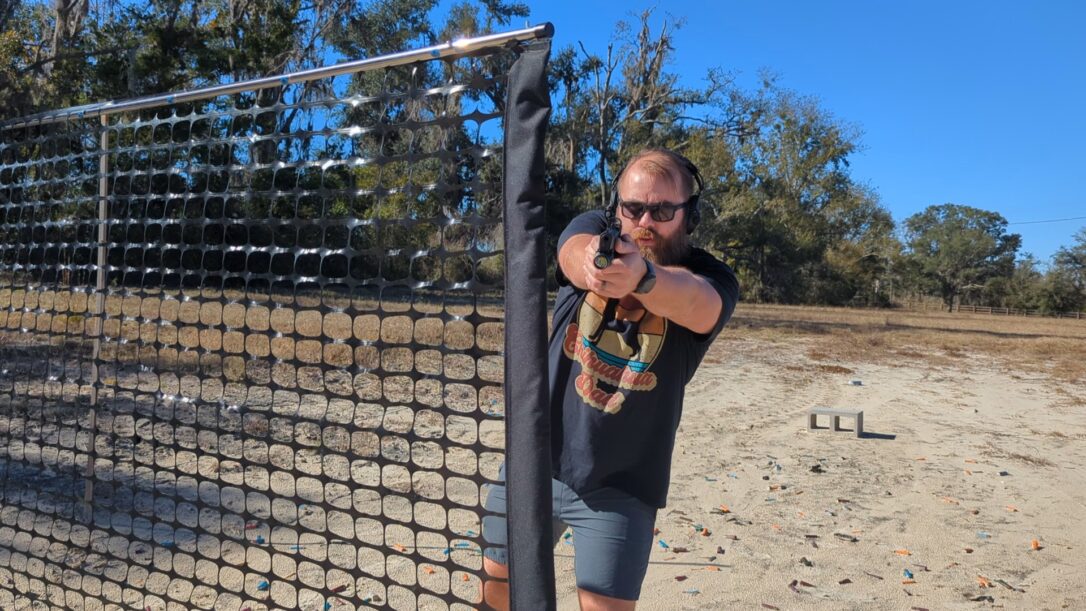
We attend classes to learn from trained professionals, to get professional feedback, and to learn how to practice properly. That’s the general purpose, but sometimes we get these little nuggets that are worth holding onto. I attended a class with Rick Hogg of War Hogg Tactical, and he was doing a demonstration, and as he shot, he made a mistake.
He looked to us and said something along the lines of, “Own your mistakes, don’t get emotional about them.” He then shot the demo again perfectly. I took that “don’t get emotional about it” as easy. How many people get emotional about missing a shot or fumbling a reload? It depends on how you take getting emotional.
Advertisement — Continue Reading Below
Do you stop your drill to reset? Do you sigh, shake your head, and slow everything down in frustration? A feeling of frustration, or even embarrassment, rushes over you? I do, or did, that’s the emotional response. Okay, well, I still get embarrassed when I lose due to a stupid mistake.
What Can You Learn from Your Mistakes?
The Value of Mistakes
If you’re making mistakes, then you’re doing something you’re not very good at. That’s fantastic! It’s true that sometimes you make mistakes doing something you’re good at, but you’re more likely to make a mistake when you’re doing something you’re not very good at.
That means you’re training and practicing to build skills. It could be your draw, your reloads, your use of cover, specific drills, or whatever else you’re rocking and rolling with. Making mistakes is a sign of doing something difficult.
Advertisement — Continue Reading Below
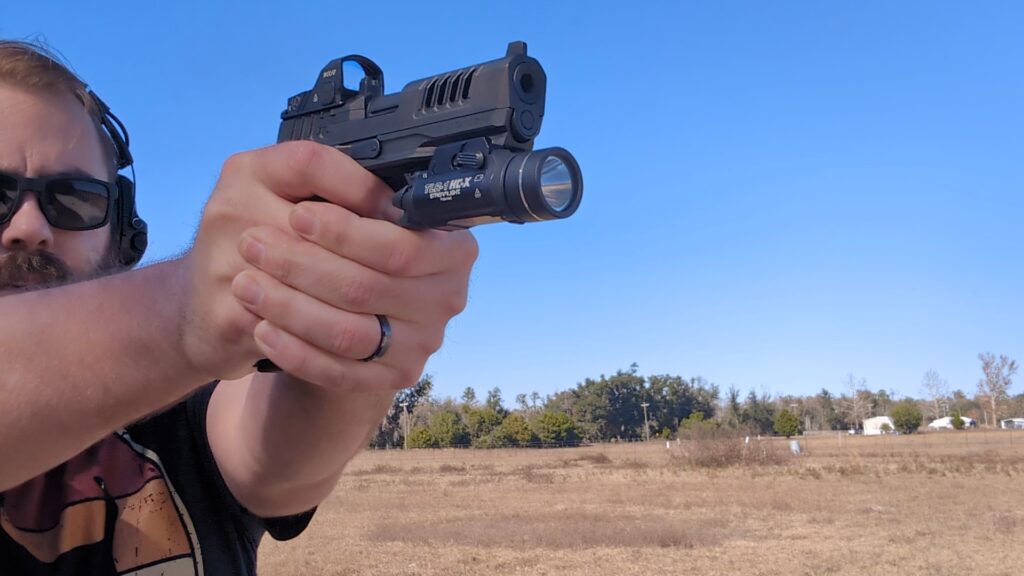
If you’re only doing what you’re good at, you’ll never make progress. If you’re not making mistakes, you’re either an amazing shooter or you’re sandbagging.
Owning Your Mistakes
Mistakes get made; they get made in matches, at the square range, and in gunfights. We train to reduce mistakes, but they happen. If it can happen in a controlled environment, then it can happen in a gunfight.
Advertisement — Continue Reading Below
A mistake creates something brilliant: a learning opportunity. The opportunity to learn from your mistakes is critical. However, the ability to learn how to fix mistakes at the range is even more valuable. If you fumble a reload in real life, you’re not going to be able to stop the fight, reset, and try again.
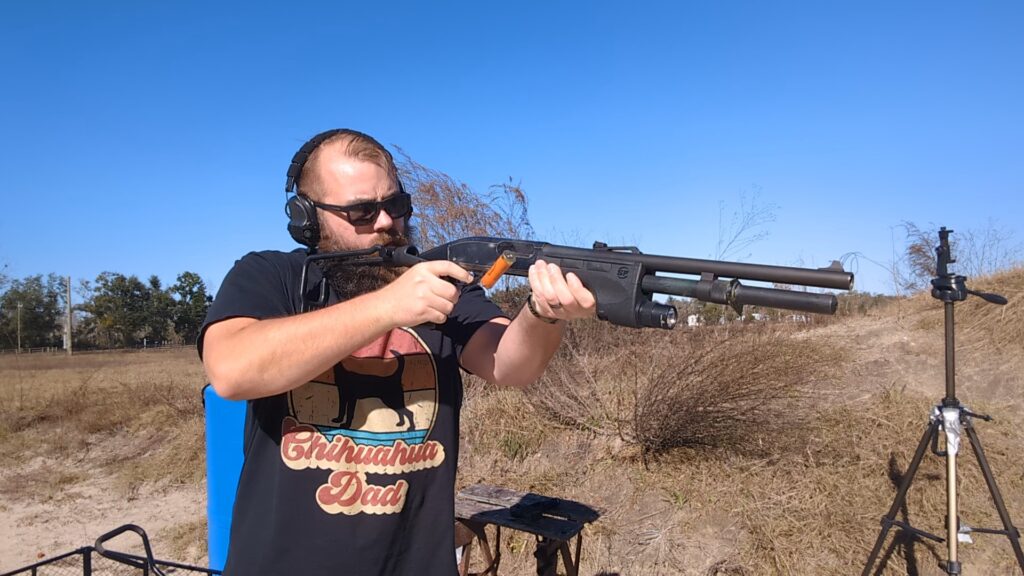
Learning how to fix flubs on the fly can be a skill of its own. Dealing with an increased cognitive load under pressure is difficult, so training to fix flubs can help you automate the response and lower that cognitive load.
Advertisement — Continue Reading Below
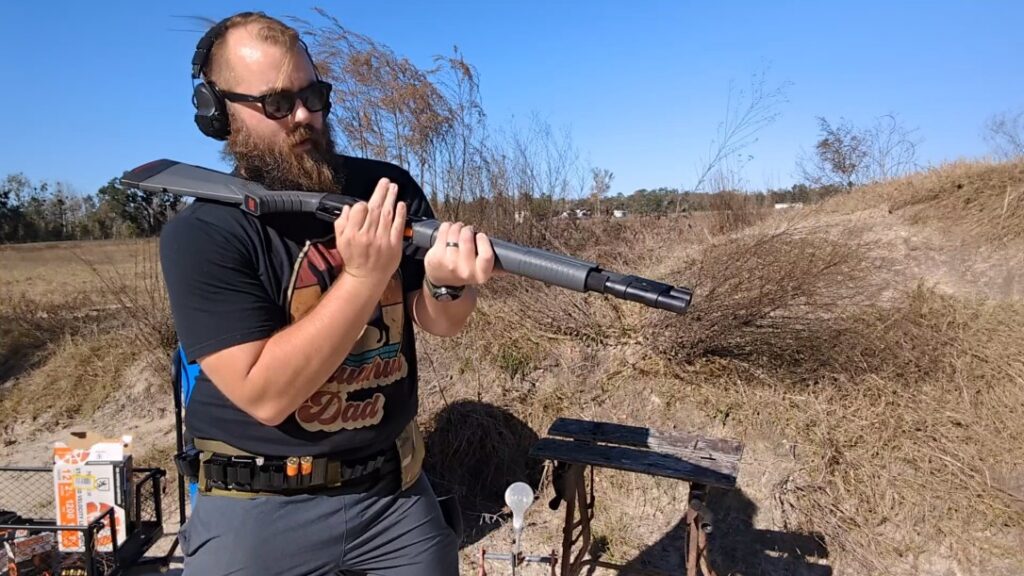
I used to stop and reset anytime I messed up a drill. If I didn’t clear my cover garment quite right, or my reloads got tangled in my shirt, I’d stop, reset, and try again. In reality, I should have worked through the mistake and fixed the problem.
Training to fix those little problems that happen while practicing and training is an opportunity to improve.
Learning Versus Performing
Keep in mind that training/practice is learning; it’s not knowing. If you only ever go at a standard you can always meet, then you’re performing, not learning. There are neurological benefits to making mistakes.
Advertisement — Continue Reading Below
Mistakes are a trigger that elicits neuroplasticity. If you’re not making errors, then your brain doesn’t see a need to start working. Errors elicit a specific electrical signal in the brain known as Error-Related Negativity. Your brain recognizes that you made a mistake and that there is a discrepancy between what you intended to do and what you actually did.
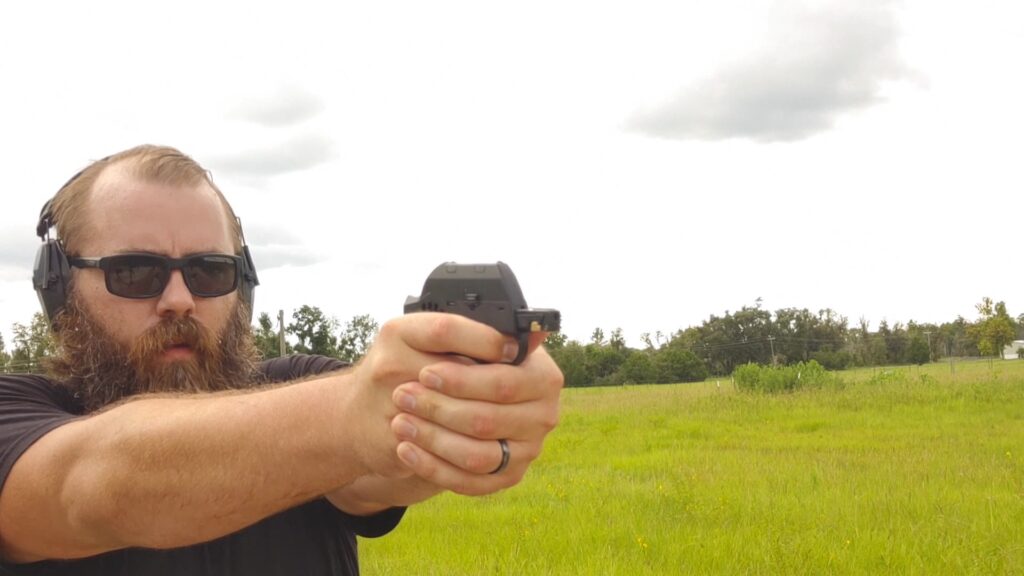
Your brain releases neurochemicals that mark neurons for change. This gives you a window of focus. Your brain is also saying, “Hey, you did that wrong; don’t strengthen the axon of that neuron with myelin.”
Advertisement — Continue Reading Below
Desirable difficulties is a neuroscience concept that posits that the optimal error rate is approximately 15%. That signals you’re moving fast or shooting straight enough to keep the brain in growth mode and to refine the circuit before it becomes myelinated. If you’re failing more than 15% of the time, slow down and change the standard.
The Value of Frustration
Frustration is a cocktail of neurochemicals that results in both physical and mental changes. Frustration is a chemically induced state that’s valuable.
There are three chemicals that are valuable and associated with frustration: epinephrine, acetylcholine, and dopamine.
Advertisement — Continue Reading Below
Epinephrine creates the physical feeling of frustration. It cranks up your energy and wakes up the nervous system. Acetylcholine helps with focus.
This tells your brain to target specific neural circuits that made the mistakes, priming them to rewire the brain. Dopamine is what gives you that feeling after victory when you finally succeed, and it accelerates myelination, which helps automate skill.
Advertisement — Continue Reading Below
Frustration becomes an essential part of skill-building. If you quit when you’re frustrated, you’re giving up a valuable neurochemical window of success. Embracing mistakes and frustration is how you’ll get better at shooting, or really any skill.
The Value of Error
You can’t learn anything without making mistakes. Mistakes can be frustrating, but frustration can be valuable. It helps you learn to perform at the brain level. Making mistakes gives you an opportunity to learn and to be victorious.
Remember, if you aren’t making mistakes, then you’re not training. You’re performing.