Newcomers to just about any activity or interest, like firearms, typically have a steep learning curve when it comes to terminology particular to that pastime. For newbies to gun ownership, that learning curve is steeper than most, with literally dozens of words, many of which beginners haven’t heard before, much less know what they mean.
From actions to trajectory, many firearms terms are seldom used in other types of conversations, leaving them a mystery to many. While an exhaustive list would be too long to read, here we’ll look at 20 common terms and explain what they mean.
20 Firearms Technology You Should Know
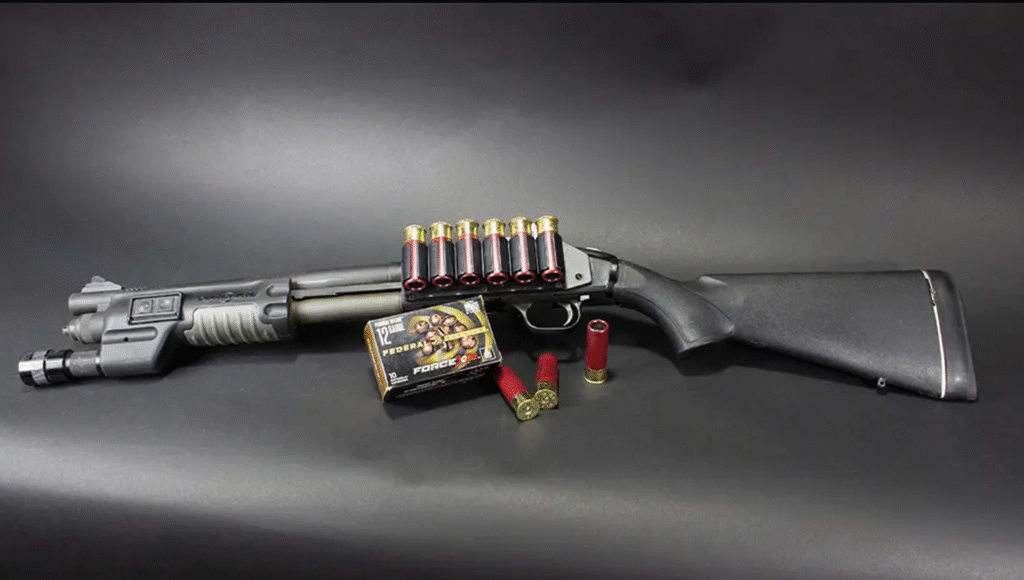
Action: The operating mechanism that presents the cartridge for firing, removes the used casing, and introduces the new cartridge. Examples are semi-automatic, pump-action, lever-action, and bolt-action.
Advertisement — Continue Reading Below
Automatic: Action that fires multiple shots with one pull of the trigger. Aka machinegun.
Bore: The interior of a gun barrel. Also used to describe some shotshells (.410 bore).
Caliber: The diameter of the bore. It is measured in fractions of an inch (.45 caliber) or millimeters (9mm).
Advertisement — Continue Reading Below
Casing: Container portion of a cartridge or round of ammo. They are usually metal for rifles and pistols, and plastic for shotguns.
Chamber: The portion of the barrel where the cartridge is seated for firing. In many guns, the chamber is fed from a magazine.
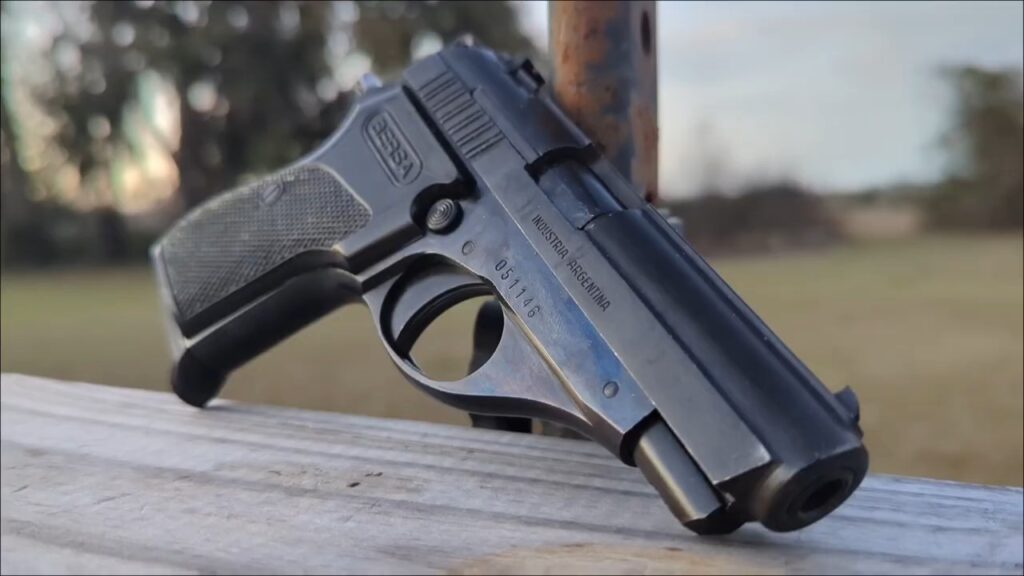
Double-Action: A long pull on the trigger that both cocks and releases the hammer to fire either a revolver or pistol. The hammer can also be cocked manually.
Advertisement — Continue Reading Below
Single-Action: Mechanism where the trigger performs only one job—releasing a cocked hammer or striker.
Firing Pin: Located directly behind a chambered cartridge of a hammer-fired gun, the hammer strikes the firing pin, and the pin strikes the cartridge’s primer to discharge the firearm.
Gauge: Similar to caliber of handguns and rifles, but used to reference the bore size of a shotgun. Ironically, the smaller the gauge, the bigger the bore.
Advertisement — Continue Reading Below
Grip: The handle of a handgun or the hand grip on a rifle or shotgun. On a rifle, it’s called a pistol grip.
Hammer: The part of the firearm that, when released from its spring when the trigger is pulled, impacts the firing pin to strike the cartridge when firing.
Iron Sights: The non-optical sights that come standard on most pistols and rifles. To shoot accurately, the front sight must be lined up with the rear sight and placed on the target.
Advertisement — Continue Reading Below
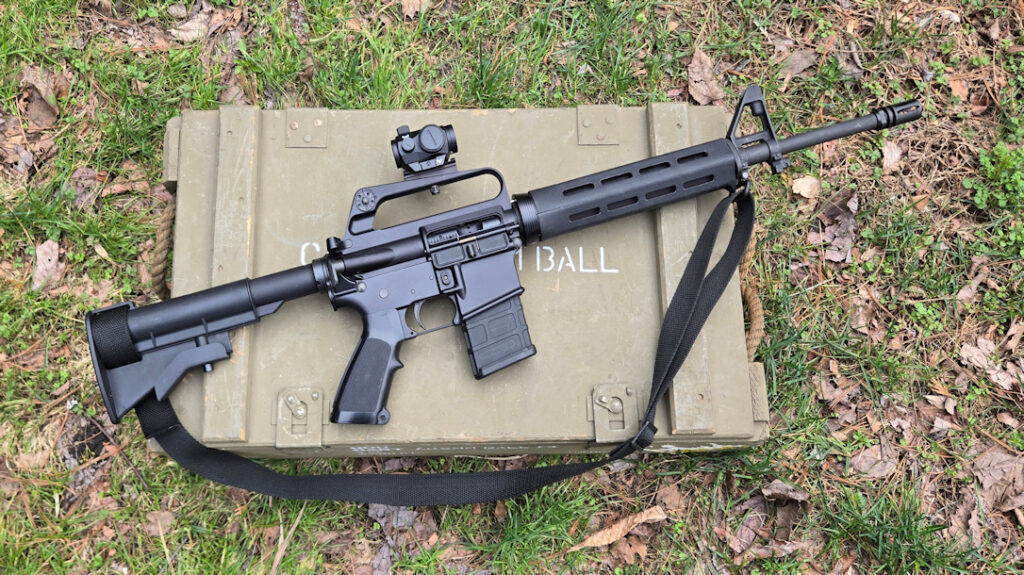
Magazine: The unit that contains the cartridges before they are fed into the chamber of the gun. This is often mistakenly called a “clip” by those who don’t know the difference.
Recoil: The backward momentum exerted on a gun as it is fired. It is often referred to as “kick.”
Magnum: A term describing a cartridge with a higher velocity load or heavier projectile when compared to standard cartridges.
Advertisement — Continue Reading Below
Muzzle: The end of a gun’s barrel, where the projectile exits upon firing.
Rifling: The spiral pattern of grooves found in a pistol’s or rifle’s barrel or bore that creates a spin on the projectile to help stabilize the bullet in flight.
Semi-automatic: A firearm action that fires one bullet with every single pull of the trigger. Also called “semi-auto.” AR-15s are semi-autos, despite gun-ban advocates calling them “assault weapons.”
Advertisement — Continue Reading Below
Suppressor: A mechanism attached to a gun’s barrel to significantly reduce the sound a gun makes when fired. Often called a “silencer,” even though the resulting gunfire is not silent.