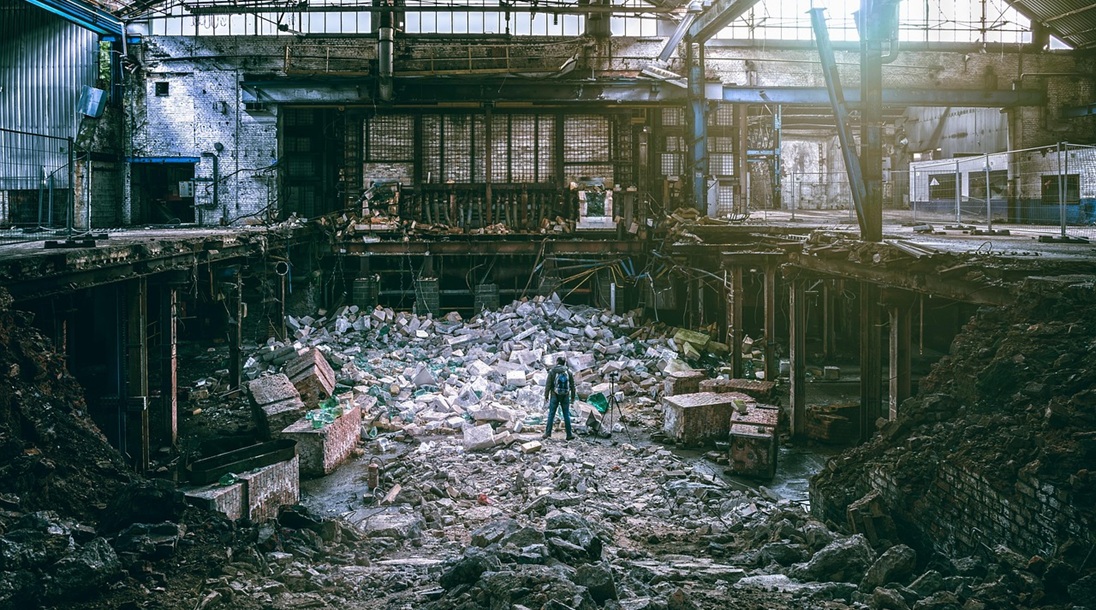
When we talk about preparedness, we’re typically focusing on short-term, common emergencies like bad storms or job loss. On occasion, though, it can make for an interesting discussion to consider situations that would be decidedly more severe, such as a societal collapse. While the odds of something like that happening are pretty remote, it doesn’t hurt to consider “What If,” right? In a situation like that, scavenging for supplies might be important.
Tips for Scavenging Success
If you end up having to scrounge for food, water, and other necessities, it’s important to get creative. You probably won’t be the only person in need, and most of the easy targets will have been picked clean.
So, let’s step outside the proverbial box and look at a few resources that may be overlooked. As we go forward, bear in mind that we’re talking about a complete breakdown in law and order. The normal rules don’t apply.
Advertisement — Continue Reading Below
Water
If the taps aren’t running, grocery stores and the like probably will have long since sold out of their supplies of bottled water. However, consider water as part of your scavenging plan. Almost every building that has a bathroom will have a water heater somewhere. Libraries, office buildings, and factories all have water heaters that may still have 30 gallons or more of water inside.
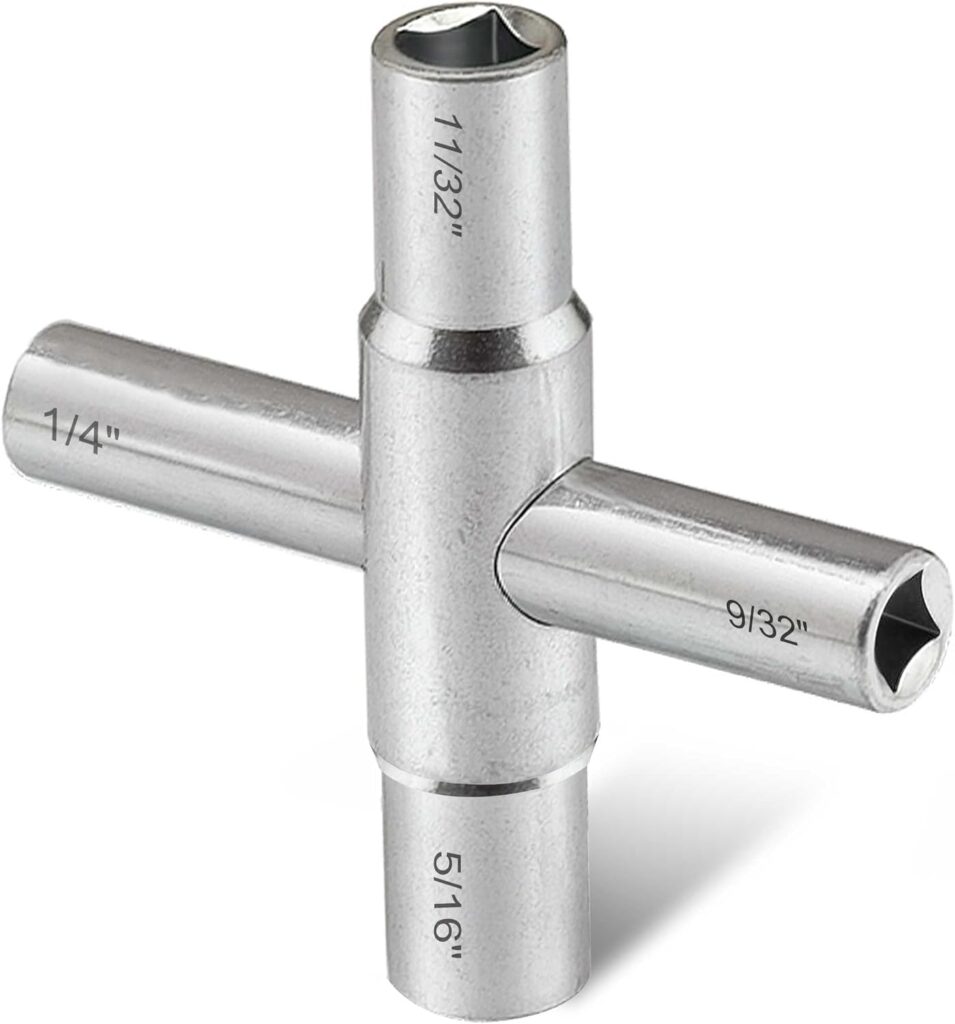
There may also be water still sitting inside the pipes in many buildings. You can try accessing it via a sillcock key. This simple tool can be purchased at virtually every hardware store as well as online. It looks somewhat like a four-way tire iron, but much smaller.
It’s used to open the spigot found on the outside of many commercial buildings. There may not be water pressure, but the pipes may still drain.
Advertisement — Continue Reading Below
No matter the source, all water should be filtered and/or purified. Don’t take unnecessary risks. Waterborne pathogens are not to be messed with if they can be avoided.
Food
Scavenging for food in stores or homes isn’t the best plan. They’ll have been targeted by several people before you got there. Most stores don’t even have much in the way of stockroom space anymore. Instead, they rely on what’s called Just-in-Time inventory programs. This means when they receive shipments, the product goes immediately to the sales floor, with very little held in a back stockroom.
Advertisement — Continue Reading Below
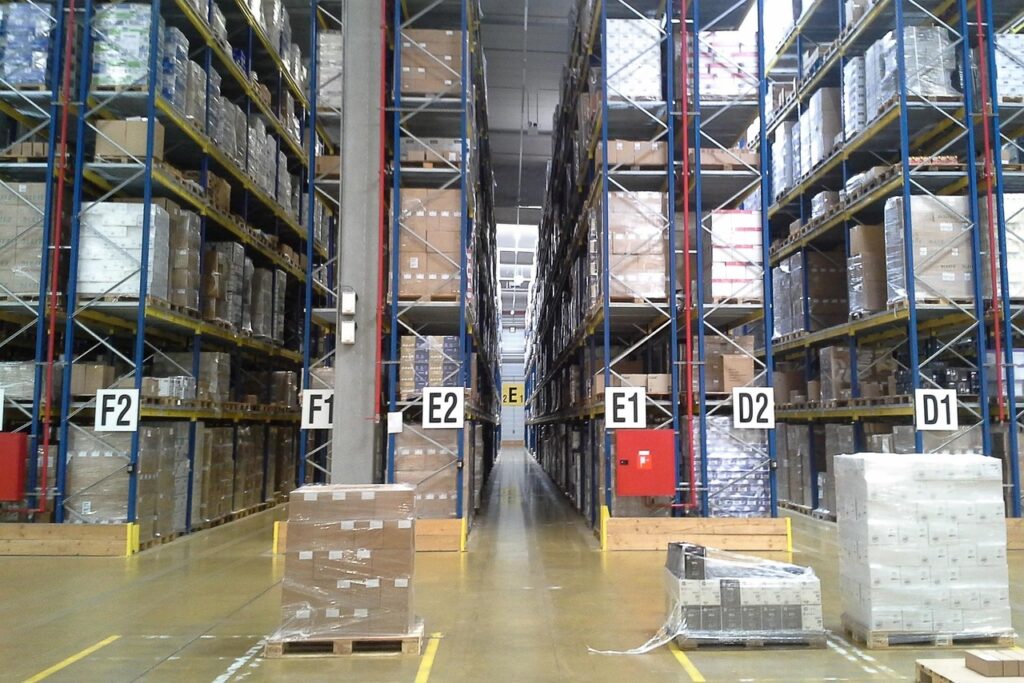
A better option is to head to warehouses and distribution centers, if you have any in your area. Of course, you probably won’t be the first person to think of that plan, but hopefully there’s enough to go around.
If you’re going to search stores anyway, check behind every Employees Only door you see. You might get lucky and find a small storage area that’s been overlooked.
Advertisement — Continue Reading Below
An awful lot of freight in the U.S. is moved by rail. It wouldn’t hurt to check out any rail cars you come across.
Janitorial and Custodial Supplies
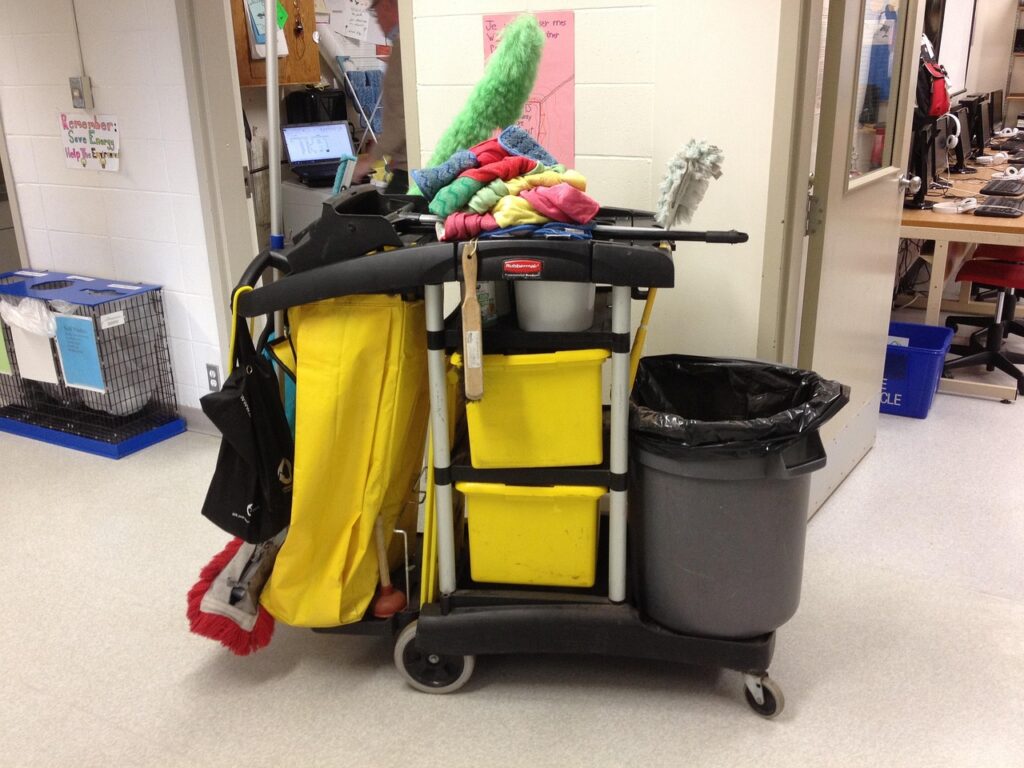
Any business you investigate during your scavenging, be sure to check out the maintenance closet or room. There, you’ll probably find all sorts of cleansers and cleaning equipment. On top of that, and possibly worth its weight in gold, are the soap, paper towel, and toilet paper supplies you’ll find on the shelves.
Advertisement — Continue Reading Below
While you’re at it, you may as well check every bathroom you come across for toilet paper.
Motels
This is going to be a hit or miss proposition for scavenging, but it’s still worth considering. Even if the rooms were mostly empty at the time the disaster hit, you’ll be able to find extra blankets, pillows, and sheets, along with toiletries and such. The single-serve coffee packets might be particularly valuable. Be sure to check all storage areas you can find.

Advertisement — Continue Reading Below
Take some time to inventory your area. Make note of businesses, including factories, and what they make at each facility. You may never need to know any of that information, but it’s a fun mental exercise if nothing else.