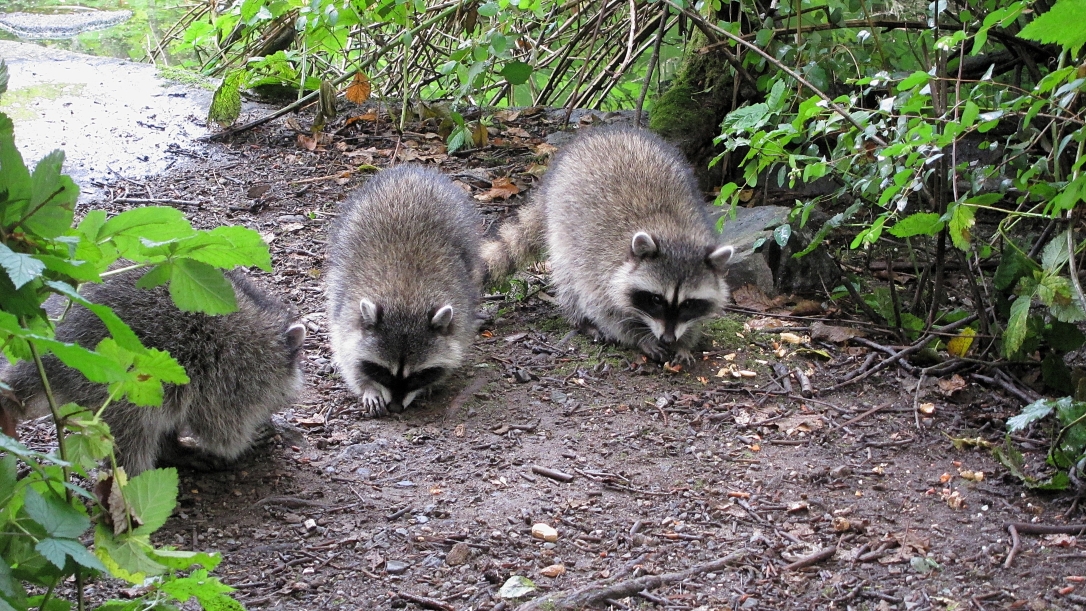
If you’re a homesteader or keep a garden, chances are you’ve been affected by rodents or small animals of sorts. Let’s explore some ideas to repel raccoons and foxes. These methods effectively help repel raccoons and foxes for campers who don’t want to be robbed of their food or peace of mind.
Tips to Repel Raccoons and Foxes
Scent Barriers That Work
Raccoons avoid strong scents because they rely on smell to find food. Peppermint, hot pepper, garlic, onion, citrus, and vinegar overwhelm their noses and disrupt foraging. Vinegar works only short‑term because its fumes fade fast. Raccoons also hate Epsom salt because it irritates their paws and disrupts scent trails. Irish Spring soap repels raccoons because its strong fragrance masks food scents and signals danger.
Loud noises push raccoons away because they fear sudden threats and avoid unpredictable environments. These cues help you repel raccoons and foxes, keeping them out of gardens, trash areas, and campsites.
Advertisement — Continue Reading Below
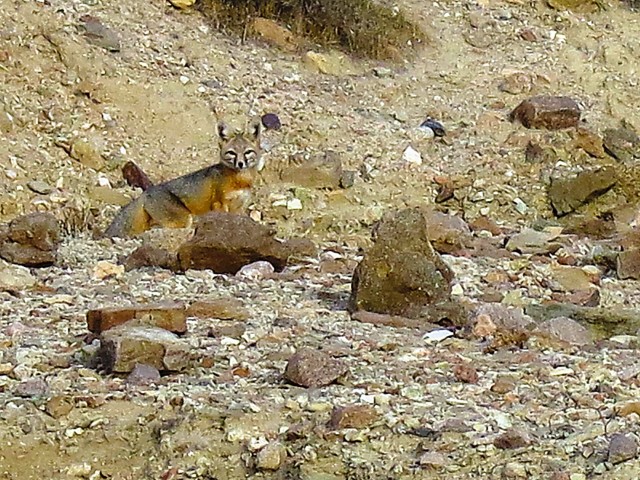
Like raccoons, foxes avoid strong or unnatural scents because they hunt with their noses. Garlic irritates their nasal passages and masks prey scents. Onion likely works the same way because it shares sulfur compounds with garlic, though direct evidence remains limited. Peppermint and hot pepper also repel foxes because they overwhelm scent receptors and disrupt tracking. Vinegar can bother foxes, but results vary and remain less consistent than raccoon data.
Loud noises repel foxes because they signal danger and disrupt hunting. To successfully repel raccoons and foxes, you need to understand their deterrents. Foxes show no evidence of reacting to Epsom salt, so that deterrent remains raccoon‑specific.
Advertisement — Continue Reading Below
Fox Scat
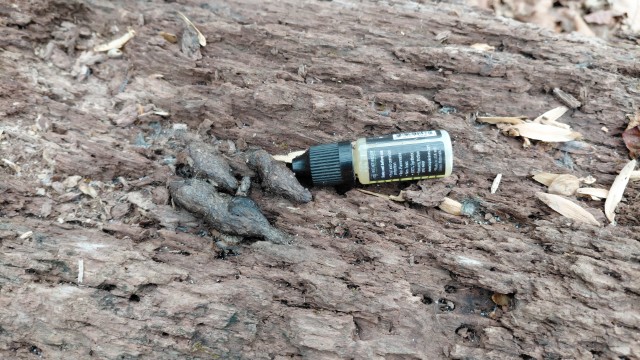
Fox scat helps you track movement through gardens, trails, and campsites. Foxes use droppings as territorial markers and communication posts. They place scat on trails, rocks, logs, and driveways to ensure other foxes notice it. These visible placements help foxes signal territory boundaries and maintain travel routes.
Fox scat often appears segmented because it forms in firm sections. It also reveals diet because it contains fur, seeds, bones, or insect parts. These clues help you confirm fox activity even when you never see the animal.
Advertisement — Continue Reading Below
Fox Scat Characteristics
- Cylindrical shape with tapered or pointed ends
- Often segmented or rope‑like in appearance
- Length ranges from 2 to 4 inches
- Diameter averages about 0.5 inches
- Contains fur, bones, seeds, or insect parts
- Commonly placed on trails, rocks, logs, or driveways as territorial markers
Raccoon Scat
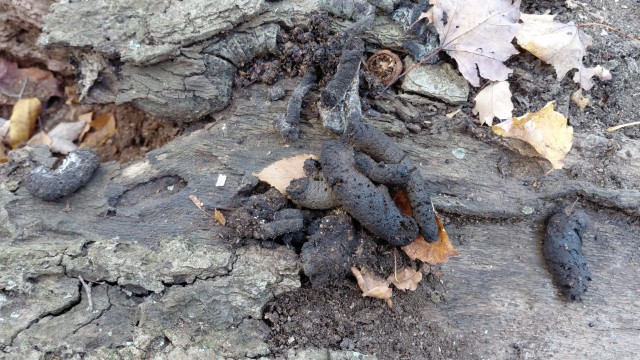
Raccoon scat helps you identify regular travel routes and feeding areas. Raccoons often defecate in shared “latrine” sites on logs, decks, attics, or raised structures. These latrines mark habitual spots rather than territorial boundaries. Raccoons return to these sites repeatedly and leave piles of droppings in the same place.
Their scat looks similar to small dog droppings but shows more twist and seed content. Raccoon scat does not show the segmented look seen in fox scat. These signs help you confirm raccoon presence even when tracks are unclear. To repel raccoons and foxes, it’s crucial to monitor these signs regularly.
Advertisement — Continue Reading Below
Raccoon Scat Characteristics
- Dark, tubular droppings with a strong odor
- Twisted form but not segmented
- Often filled with seeds from fruit‑heavy diets
- Commonly found in communal latrines on logs, decks, attics, or raised surfaces
Why Raccoon Scat Is Dangerous
Raccoon scat poses serious health risks because it can contain Baylisascaris procyonis roundworm eggs. These eggs infect humans when accidentally ingested from contaminated soil, wood, or surfaces. Eggs survive for years and resist heat, cold, and drying. They spread when contaminated material comes into contact with hands, tools, or food.
Young children face a higher risk because they may touch contaminated surfaces and put their fingers in their mouths. These risks make raccoon latrines dangerous sites that require careful cleanup and protective gear.

Advertisement — Continue Reading Below
Campsite Scent Shield System
I noticed more than usual the amount of scat building up in my frequented semi-permanent camp in my local woods. Large latrines and scat on logs or rocks where I was sitting or working would appear. I left a small canister of blade oil on a log for a few days. The next time I was back, there was a pile of scat next to it, touching it. If that wasn’t a territorial thing, I don’t know what is.

Mostly, if I cooked something in a usual cooking spot, the coals and soil would be heavily dug up. There was a feeling of being ransacked, with wood and gear strewn around camp. I know there is a large population of foxes and raccoons in my woods. I see several foxes in a week, sometimes in one day.
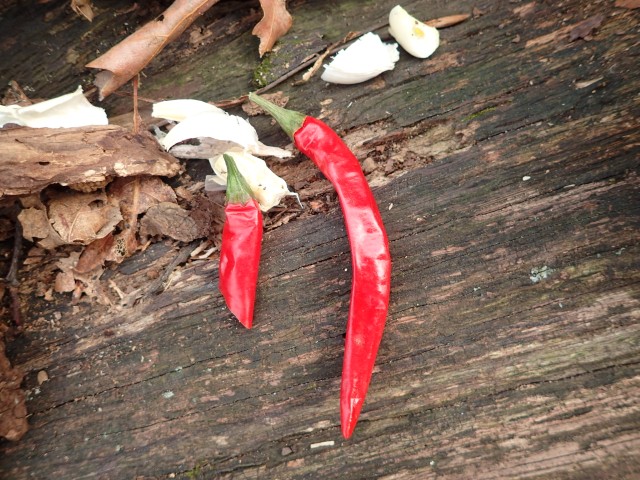
After several late-night encounters with raccoons in camp, I did my research. I got garlic powder and crushed red peppers from a dollar store and would sprinkle them before bed. It was a short-term victory as the wind, rain, and snow would render them useless.
Advertisement — Continue Reading Below
However, this fall and winter, I turned to real garlic, onions, and red bird’s eye chillies. The large chunks were less prone to wind and moisture. I depend on this method for the short term because they live there. I’m only visiting! It’s essential to repel raccoons and foxes to maintain a peaceful campsite.
DIY Repel Pepper Spray
A common homemade deterrent mixes liquid dish soap, cayenne pepper, and water to create a strong irritant spray. This recipe appears in multiple raccoon‑repellent guides. The spray works because capsaicin irritates raccoons’ and foxes’ noses and eyes. The soap helps the mixture stick to surfaces like trash cans, garden borders, and campsite edges.
Advertisement — Continue Reading Below
Some versions add garlic, onion, or hot sauce for extra punch. These ingredients overwhelm scent receptors and mask food odors. This method appears in DIY raccoon‑repellent guides from Tips Bulletin and other wildlife‑control sources.