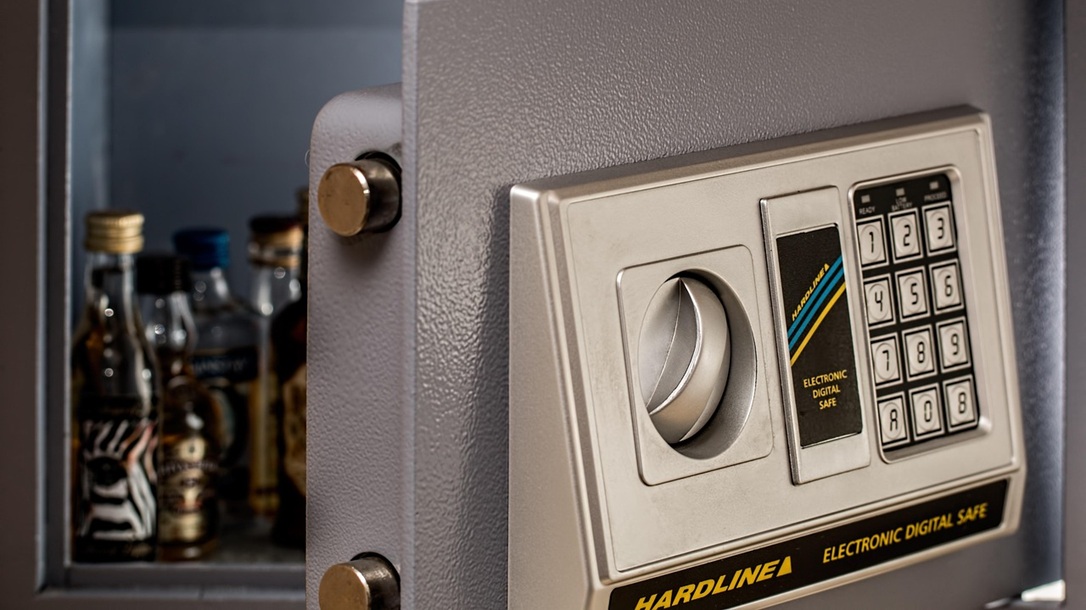
While you don’t need to hide it behind a valuable painting on the wall in the study, a good-quality safe can be a valuable addition to your home security plan. It can be an excellent place to store some emergency cash as well as stash important documents for safekeeping, no pun intended.
What to Look for in a Home Safe
Fire Protection
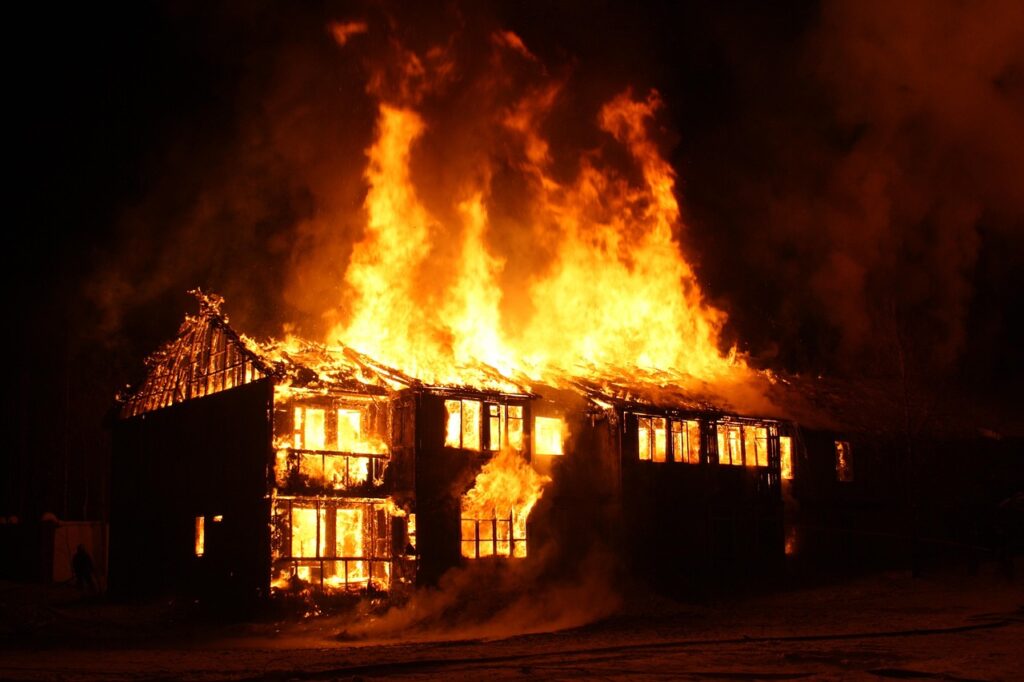
First and foremost, a safe should protect its contents from fire damage. Safes are fire-rated based on the types of materials they’ll protect the best and for how long that protection will last in the event of a fire.
Advertisement — Continue Reading Below
For reference, paper goods such as cash and documents will generally be safe up to 350°F for 30 minutes. To be clear, that 350°F temp is the interior of the safe, not how hot the fire is that’s raging around it. If you’re looking at storing computer media like flash drives or portable hard drives, those need to stay under 125°F to avoid damage.
The fire rating on a safe is usually stated as a length of time, such as 60 minutes.
Water Protection
If flooding is a potential problem in your area, you’ll want to make sure that your safe will protect the contents from water damage. Another source of water exposure is if the fire department has to douse everything to put out a fire. As a general rule of thumb, if a safe has a high fire protection rating, it’s going to be highly water-resistant as well.
Advertisement — Continue Reading Below
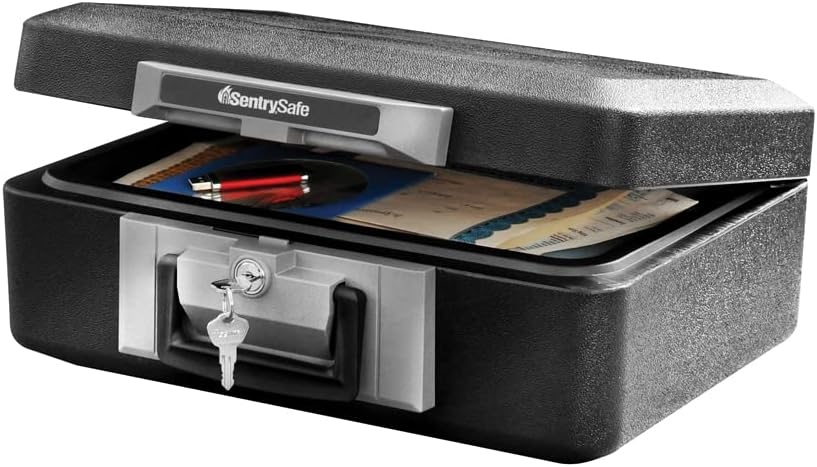
This is an easy one to test at home, too. Toss some paper towels into the safe, lock it up tight, then submerge it in water for a period of time. Pull it out and dry it off well, then check the contents. Make sure the door is absolutely dry, though. You want to be certain any moisture found inside is due to leakage and not just drips from a wet door when you opened it.
Theft Protection
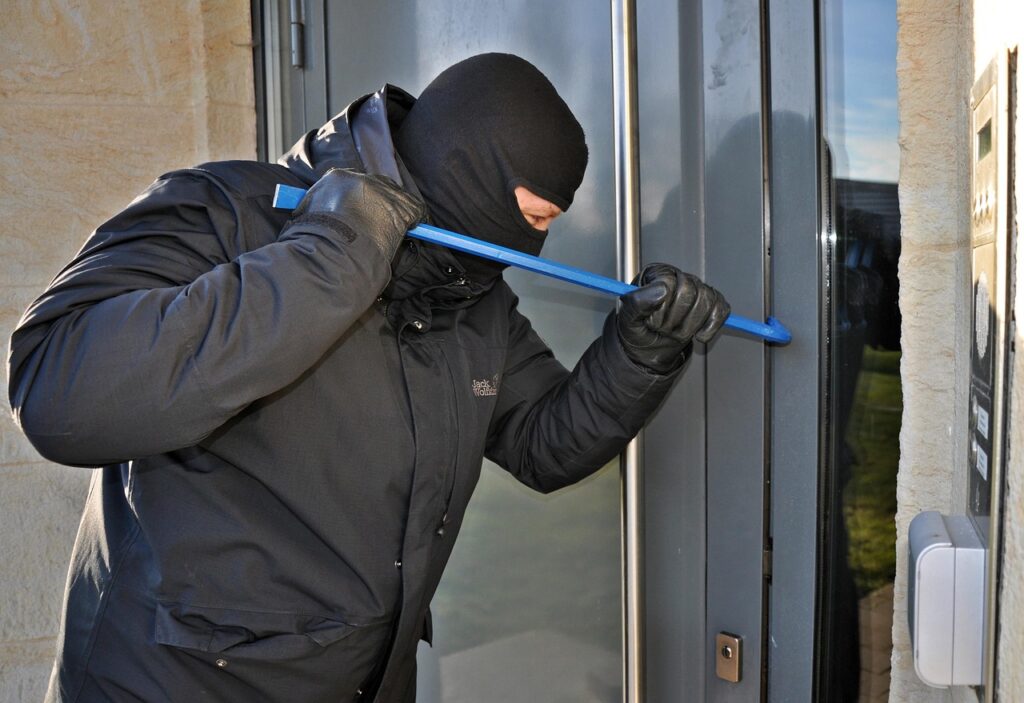
The average burglar isn’t a safecracker, despite what you may have seen on TV or in movies. They’re looking for a quick score, something they can grab quickly and head out the door. That’s not to say they won’t grab a small portable safe and take it home to try and crack.
Advertisement — Continue Reading Below
With that in mind, the best safe would be one that you attach securely to the floor or bolt in place in a wall.
If that’s not an option, you can secure it by attaching it to something else. For example, if you have a basement, you could install an eyebolt in the wall, then run a steel cable from the safe to the eyebolt.
Advertisement — Continue Reading Below
Safe Location
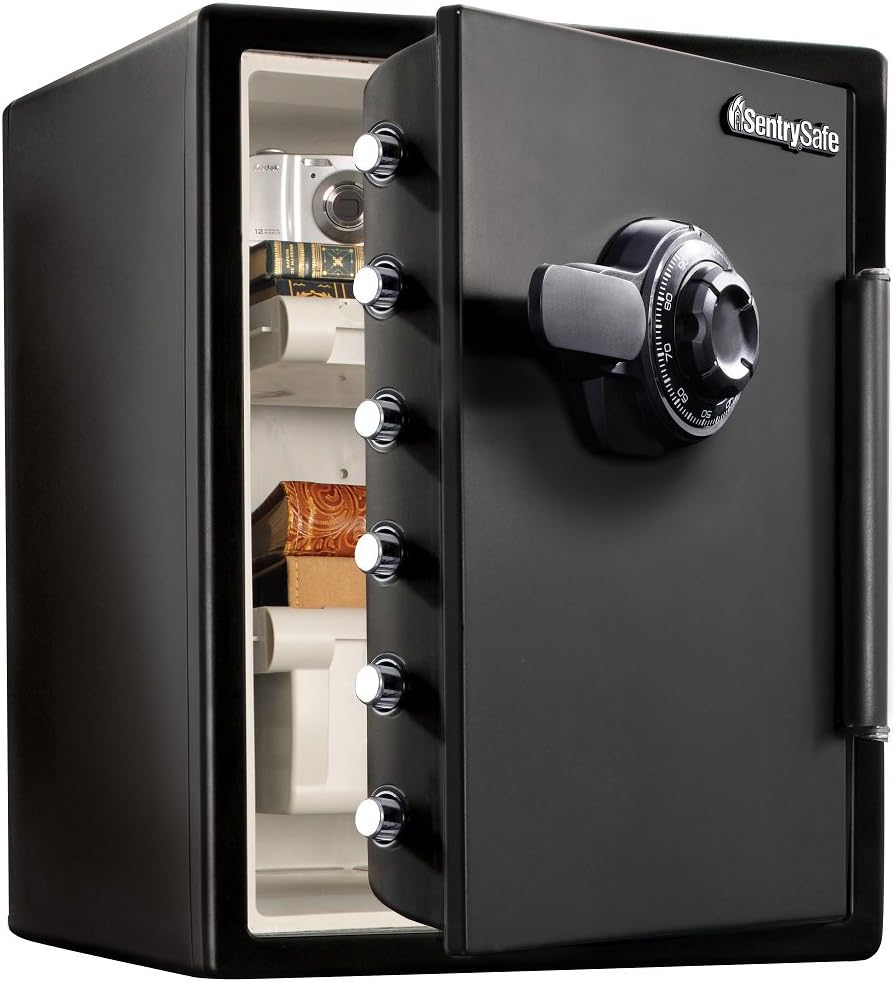
The master bedroom is often sort of the default location people choose for their safe. Instead, consider other locations in the home. A dry basement is good. If you have a home office, that’s not a bad spot. The back of a coat closet might work as well.
You want the safe to be easy for you to access, of course. But you don’t want it to be where someone will easily find it.
Advertisement — Continue Reading Below