How much is too much? This is something some prepper families can struggle with. When does prepping cross over into hoarding?
I’ve met people who were definitely hoarders and who were using prepping as an excuse or reason behind their behavior. In some cases, it may have genuinely started as merely wanting to be prepared for come what may, but over time, it just got out of hand.
What is Hoarding?
According to the Mayo Clinic:
Advertisement — Continue Reading Below
“Hoarding disorder is an ongoing difficulty throwing away or parting with possessions because you believe that you need to save them. You may experience distress at the thought of getting rid of the items. You gradually keep or gather a huge number of items, regardless of their actual value.“
What sometimes happens is that the possessions take up so much space that it gets difficult to maneuver through the home. It becomes an unsafe environment, with risks of fire as well as vermin. On top of that, if there is an emergency, a quick evacuation would be nearly impossible.
When confronted, the hoarder might say things like, “You never know when you might need this!” or “This will be worth money someday!” In some cases, by the time they realize they have a problem, they’re simply too overwhelmed to do anything about it.
Advertisement — Continue Reading Below
In the case of prepping-related hoarding, the supplies they are accumulating often go bad because they aren’t stored properly. Cans get rusty and leak, packages get crushed, and food spoils.
Keep It Under Control
Here’s the thing. Prepping is supposed to make life easier, not add more difficulties to the mix. That starts with keeping it under control. Just randomly buying supplies and gear and storing them haphazardly throughout the home isn’t the best approach.
We’ve talked before about the importance of organization when it comes to prepping supplies. Something to bear in mind is that if you can’t find something when you need it, then you might as well not own it.
Advertisement — Continue Reading Below
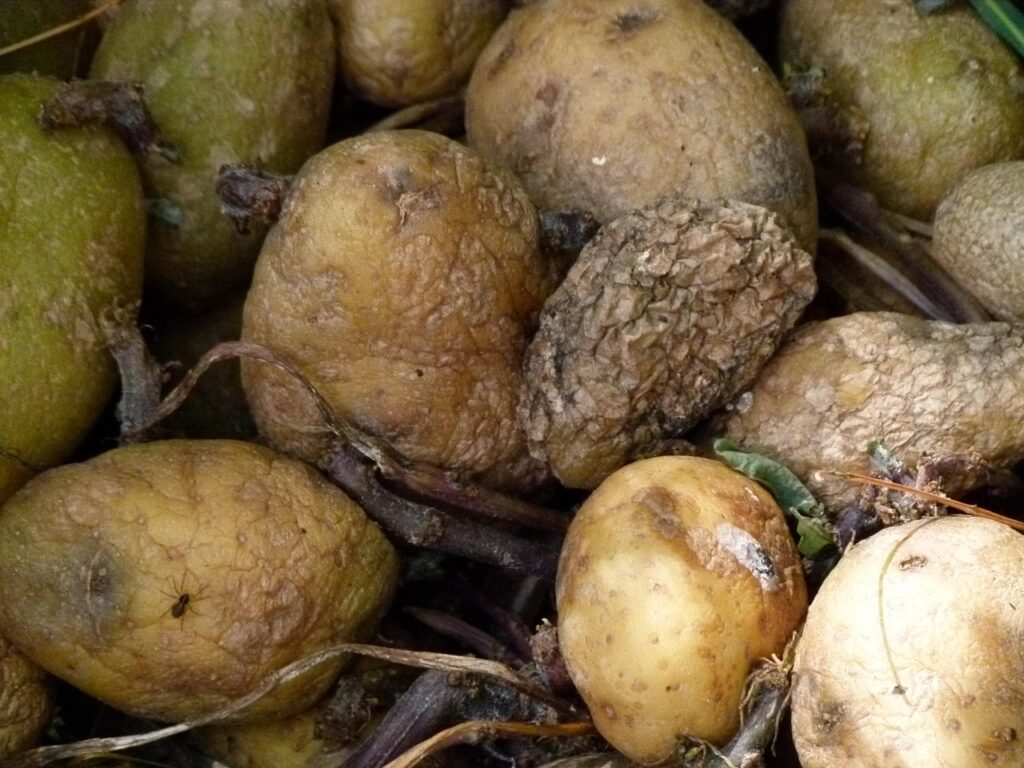
When it comes to food storage, the prepper mantra is to store what you eat and eat what you store. The idea is to stock up on foods your family normally eats and rotate through the supply regularly.
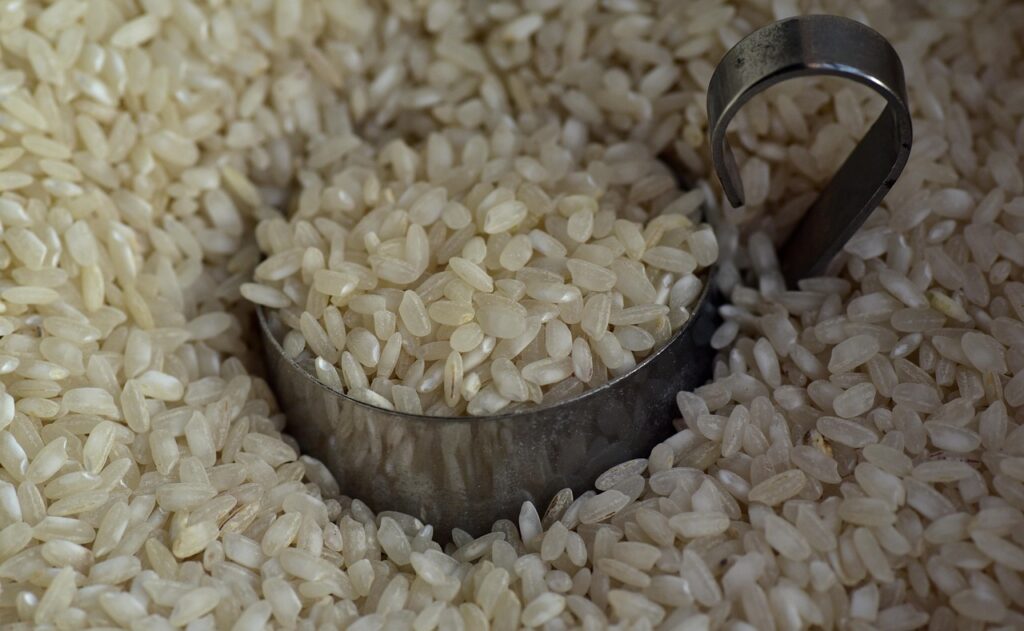
For example, every time you open a new bag of rice, you buy a new one for the stockpile, so you always have X number of bags on hand. You’re going through the supply and replenishing it as you go. This ensures that if a crisis does occur, you have the freshest possible supply on hand.
Advertisement — Continue Reading Below
What About Long-Term Storage?
There are some items that preppers like to keep around specifically for long-term situations. Examples include freeze-dried camp food and things they plan on bartering in the event of a financial collapse. These supplies aren’t used up and replaced regularly. Instead, the goal is to carefully store them away for…someday.
Advertisement — Continue Reading Below
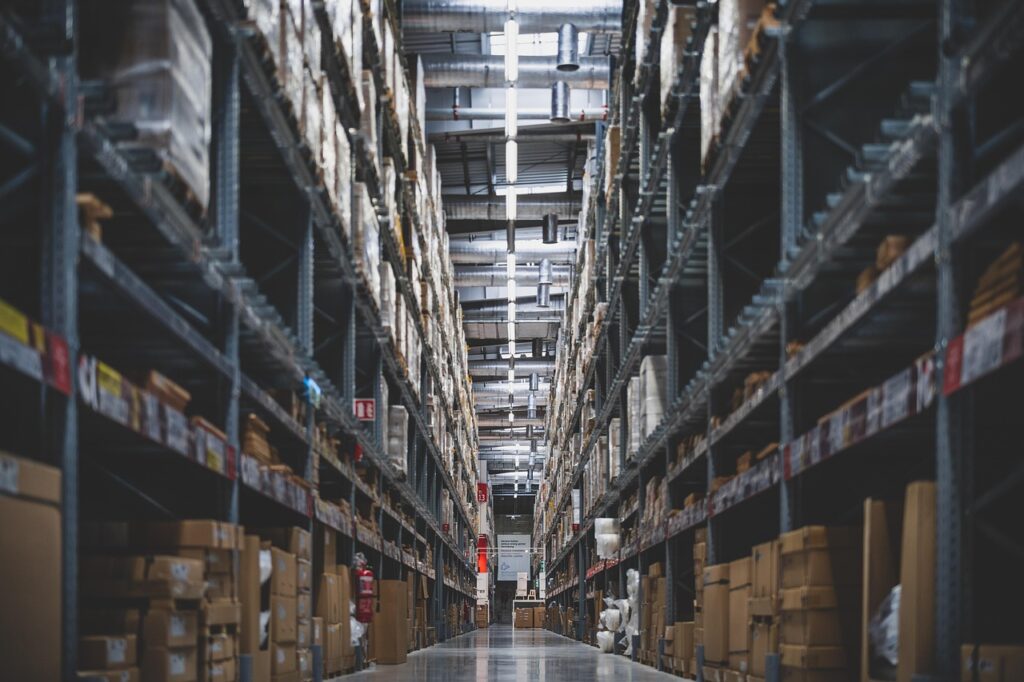
This is where common sense needs to be part of the equation. No matter what your living situation is, storage space is finite. And most people can’t devote all of the available space strictly to preps.
What might work is to carve out a specific area, such as one closet or even one bedroom, that’s only used for prep gear. And if it doesn’t fit into that room, then you don’t get to keep it. It might take discipline to make those decisions, but you have to draw the line somewhere.
Prepping should bring comfort, helping you to be confident that you’ll be able to keep your family safe in a crisis. If it brings you anxiety because you’ve filled every nook and cranny and you still don’t think you have nearly enough, it might be time to pause and reflect on the overall situation. If you’ve reached a point where your carefully curated supplies are infringing on your ability to live, ask for help.
Advertisement — Continue Reading Below
Remember, too, that prepping isn’t just about accumulating stuff. It’s at least as important to learn, practice, and hone skills that you may need in an emergency.