Early spring crept into the North Carolina highlands, and our crew settled in for a long weekend with Search and Rescue teams while we taught a wilderness survival course. We pushed hard from first light to dusk, grabbed quick lunches, then circled the fire each night for real food. Winter still clung to the ridgelines, and a thin, stubborn drizzle drifted through camp. Perfect weather for Making Deer Chili after a day spent grinding through the woods.
Get Your Deer Chili On Point
Cold Rain, Hot Pot, Chili
Cold air always shapes the menu. Wet days demand bowls that hit like a blanket. Cultures in rough climates lean on stews, porridges, and broths because they warm the core and lift morale. I feel the same pull when I build a pot in camp. You can run it thick and heavy or stretch it into a brothier stew.
Advertisement — Continue Reading Below
The beauty lies in its simplicity. You don’t need fancy cuts. A few vegetables, the right spices, and whatever leg or backbone meat you packed will carry the whole dish.
Fire, Steel, and Improvised Counters
A backwoods kitchen brings its own chaos. Home stoves behave. Camp heat never does. Flames shift with the wind, coals burn unevenly, and elevation plays tricks on timing. Even simple tasks—hearing a simmer, judging color, spotting doneness—demand sharper attention outside.
Organization feels easy indoors. In the woods, you fight for every flat surface. You hunt for a clean spot to stage ingredients. Water for rinsing hands or gear rarely sits close. Holding steady temperatures over coals or open flame turns into a full‑time job when Making Deer Chili in the field.
Advertisement — Continue Reading Below
Wild game adds another layer. Lean muscle rules the woods, and that changes everything. Farm animals grow fat because we bred them for marbling and flavor. Deer never lived that life. They run, climb, dodge predators, and burn energy nonstop, which keeps their meat tight and clean.
Pasture animals stay leaner than anything raised in confinement, and wild creatures take that even further. Think of it as cooking pure muscle—no luxury fat, no soft edges, just honest meat that rewards patience and heat control.
Advertisement — Continue Reading Below
Fire First, Deer Chili Follows
Making Deer Chili in camp starts with heat you can trust. Hardwood—oak, hickory, maple, birch—builds a fire that carries real weight. Flames handle boiling and roasting. Coals handle frying and grilling. Chili needs both. A solid coal bed takes close to an hour, which gives you time to prep ingredients before the pot hits the grate.
Chopping on Uneven Ground
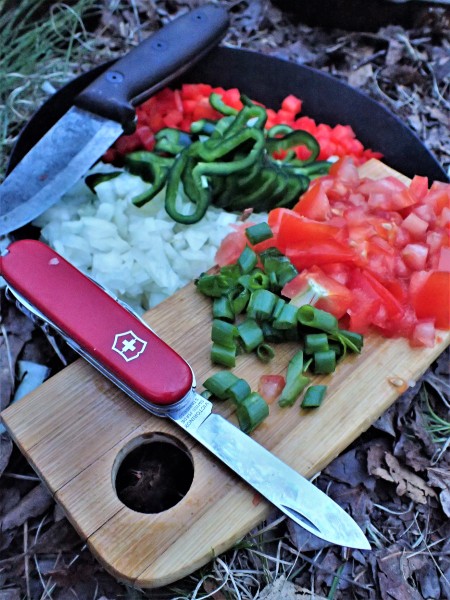
Making Deer Chili demands patience before the first sizzle. Onions, peppers, tomatoes, and green onions form the base, and every piece tries to roll into the leaves. Some vanish into the forest. Some get rescued by fast hands and loose rules. Pinto beans wait nearby. Skirt steak sits ready.
Advertisement — Continue Reading Below
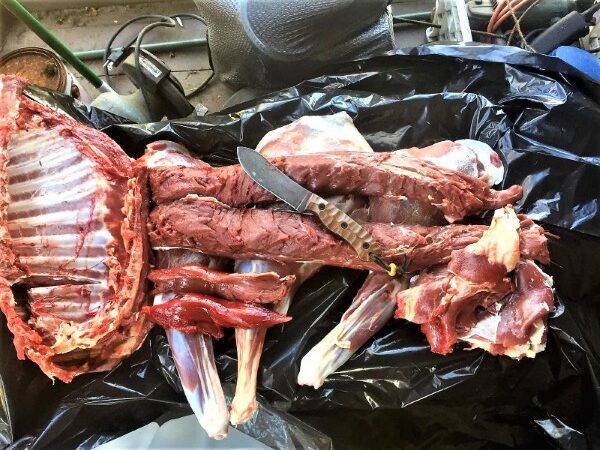
Patrick Rollins brought ground deer from a recent hunt, and this trip gave us the perfect excuse to use it. Cutting vegetables before touching raw meat keeps things cleaner when running water doesn’t exist. Knives get wiped, sanitized, or dipped in boiling water. That’s the reality of a backwoods kitchen.
Meat Meets Heat
Making Deer Chili turns serious once the coals glow. The tall Zebra pot hits the grate with a splash of oil. Onions drop in first and sizzle hard. Skirt steak follows and sears on both sides before the ground deer joins the mix. The smell of beef, venison, and onions rolls through camp and settles into the trees like a signal flare.
Advertisement — Continue Reading Below
Seasoning the Sizzle
Making Deer Chili rewards cooks who season early. Salt, black pepper, cayenne, and Red Eyed Hog hit the pot before anything else. Frying the dry spices coats the meat and infuses the oil, turning it into a carrier for every flavor that follows.
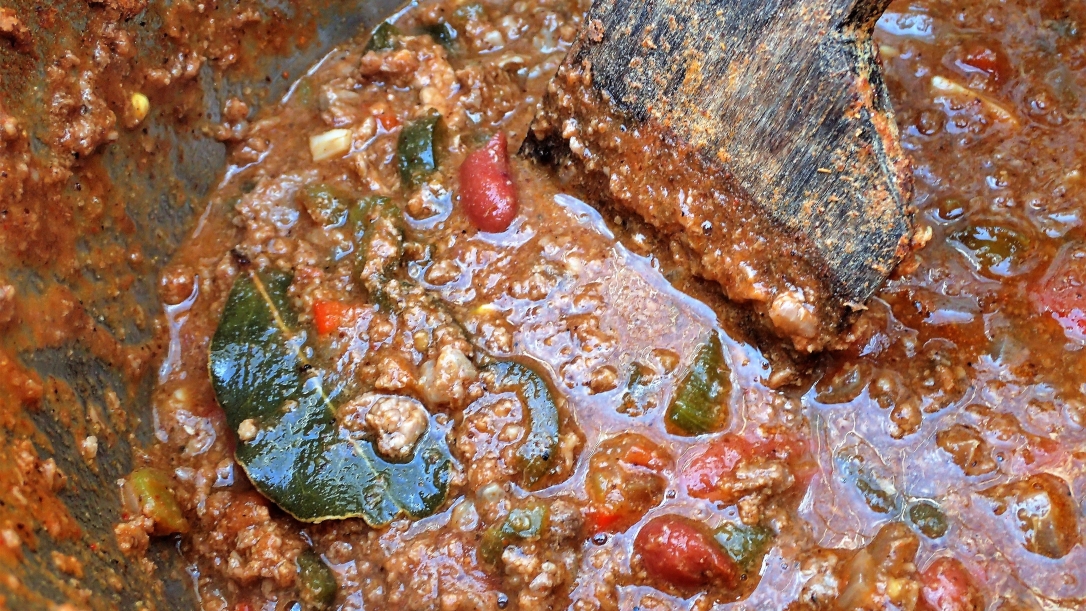
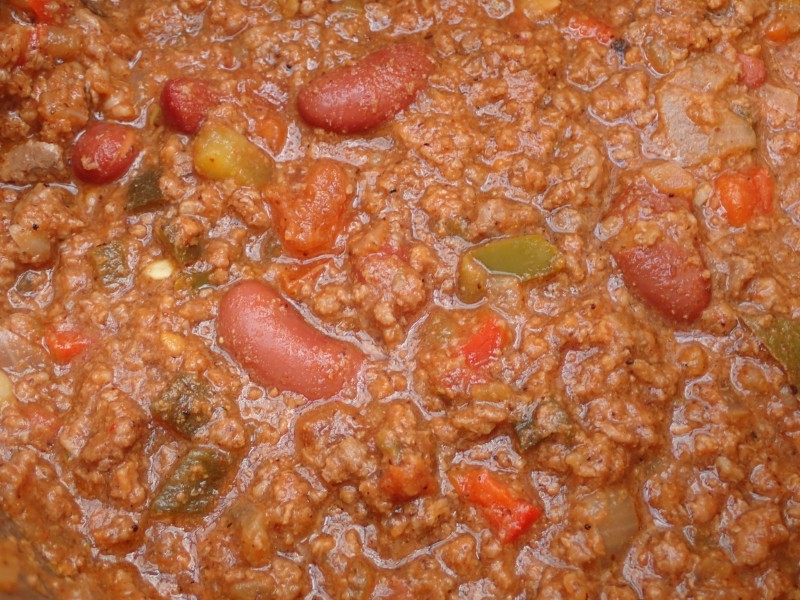
Peppers drop in next. Tomatoes break down under the spatula, releasing juice that blends with the meat drippings. Beans slide in with minimal liquid. A bay leaf rides on top while the pot settles into a slow simmer over steady coals.
Mountain‑Air Payoff
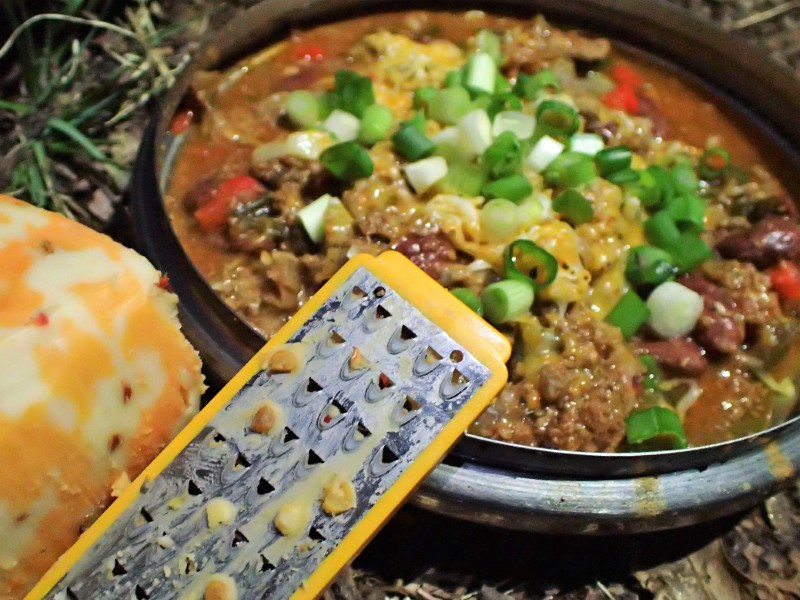
Making Deer Chili fills the woods with a smell that wakes anything still sleeping. When the pot thickens and the flavors settle, bowls get filled. Three‑pepper chipotle cheese melts across the top. Green onions finish the job. The only thing better than a hot bowl under cold mountain air is the next day’s batch, when everything deepens, and the pot hits even harder.
Advertisement — Continue Reading Below