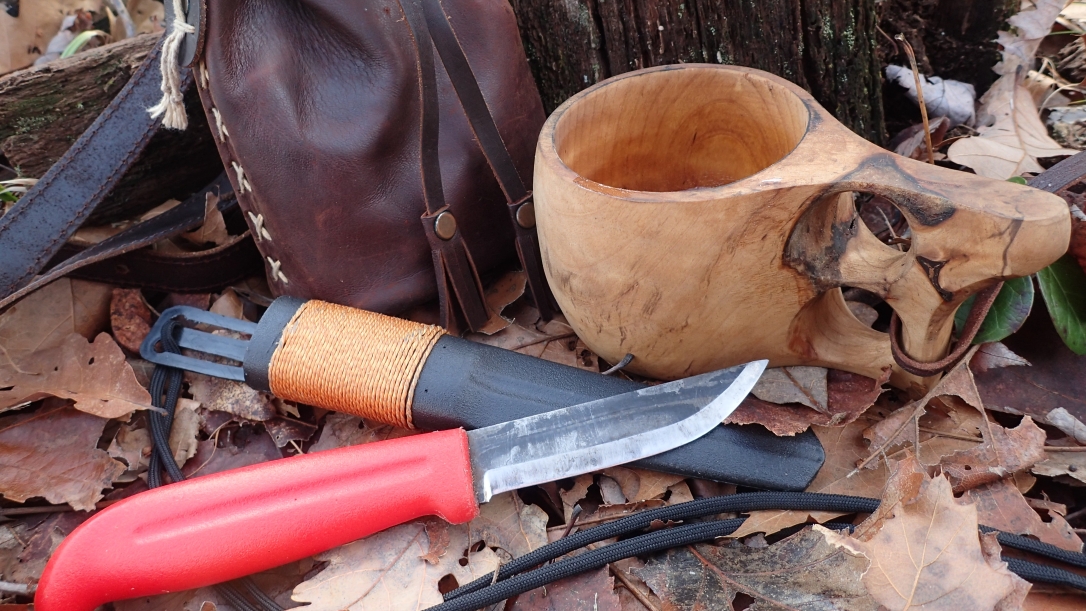
The kuksa cup traces back to the Sámi people of northern Scandinavia. Traditionally carved from birch burl, it’s lightweight, tough, and built for the outdoors. Unlike metal or plastic, wood feels warm in the hand and carries no chemical taste. For bushcrafters, it’s gear with soul—durable, eco-friendly, and easy to maintain.
Trailside Comfort: The Kuksa Cup
Ever scorched your lip on a steel mug? The kuksa solves that. Its natural insulation keeps drinks warm without being too hot to sip. Compact and sturdy, it rides along on any trek without fear of cracking or warping. When properly conditioned, it handles rough use and extreme temperatures with ease. Beyond utility, it carries centuries of tradition, making every sip a link to history.

Advertisement — Continue Reading Below
Flavor and Patina Your Kuksa Cup
Conditioning a kuksa isn’t just maintenance—it’s ritual. It’s about the most tedious task, requiring several rinses with warm water. The water will start on the yellowish side. After several rinses, it will still be yellow, but a bit lighter. Keep going—only 99 more washes. Not really, but this process is time-consuming. Use a paper towel to help remove the yellow tinge. Eventually, you’ll get there.
The next step is fun. Whiskey leaves a smoky edge and preserves the wood. Coffee deepens the grain and adds earthy character. Either way, the cup develops a patina unique to its owner, a record of fireside brews and trail memories.
Advertisement — Continue Reading Below
Carry It Like the Ancients
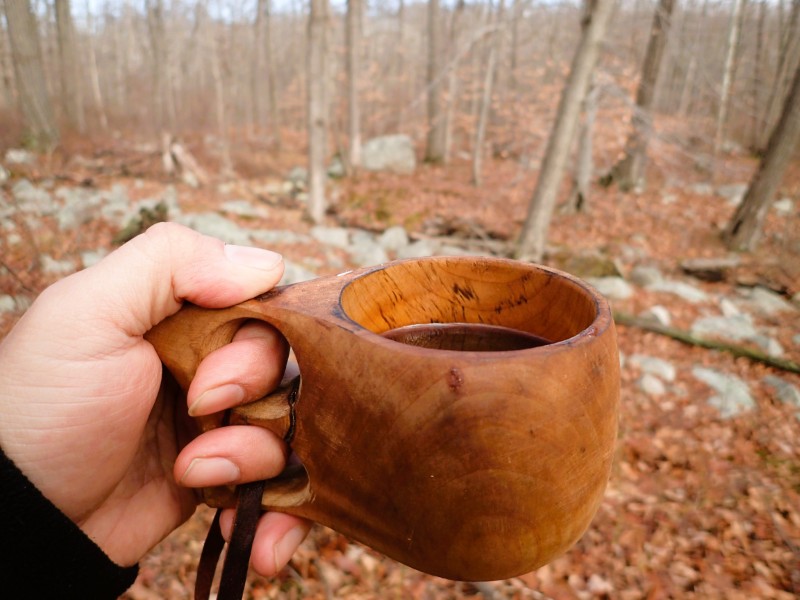
The Sámi wore their kuksa on belts with cordage and antler toggles. Modern trekkers clip them to packs with cords and carabiners. It saves space inside and keeps the cup ready for a quick dip in a stream or spring. Besides, it saves valuable space and bulk in the backpack. And, you’ll feel more like a Viking or Swedish Bushcraft master!
Kuksa Cup Uses
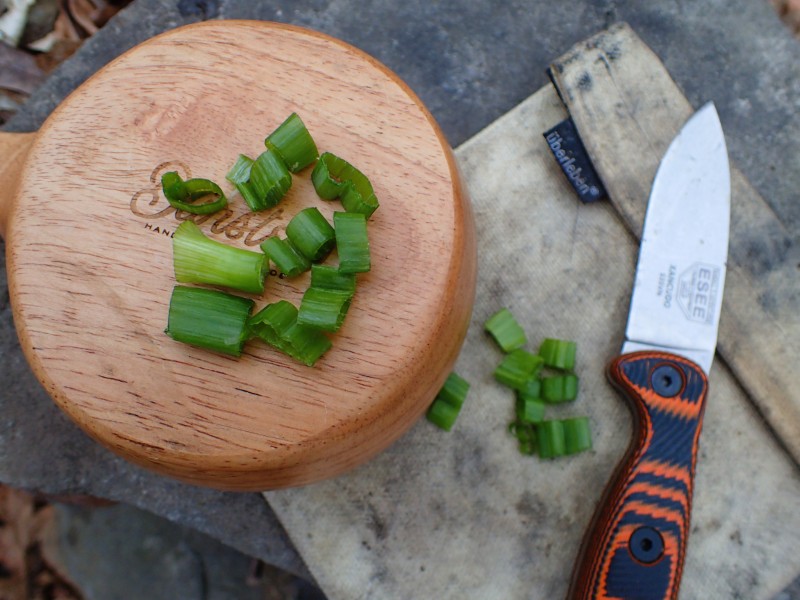
A kuksa is far more than a drinking vessel—it’s a multi‑purpose tool in camp. Its solid wooden base can mash garlic, peppercorns, or wild bulbs gathered along the trail. Flip it over, and you’ve got a quick cutting board, sturdy enough for slicing meat or vegetables. Pair the cup with a carved pestle, and it becomes a mortar, ready to grind spices or herbs.
Outdoors, bakers even press the rim into dough to cut bannock, cookies, or biscuits into uniform rounds. With a little creativity, the kuksa can even serve as a makeshift roller for flattening dough. In short, this traditional cup proves itself as a versatile piece of gear, blending heritage with hands‑on utility.
Advertisement — Continue Reading Below
Traditional Kuksa Cup vs. Überleben
Scandinavian kuksas carved from birch burl carry centuries of tradition, but they demand patience. Conditioning takes time, and the wood can be temperamental when exposed to travel stress or shifting climates. Überleben offers a modern alternative. They make their kuksas from solid rubberwood, a fast-growing, sustainable hardwood that offers toughness, consistency, and resistance to cracking.
Unlike birch cups that need weeks of prep, an Überleben kuksa is trail‑ready after a quick rinse. The Dursten Original follows the classic Nordic profile, with a 6–8-ounce capacity. Perfect for coffee, tea, or a sip of spring water. For bigger meals, the Lore Kuksa expands to 10–12 ounces, doubling as a stew or cereal bowl. Even the Original comes larger for those who want more fuel in their cup.
Advertisement — Continue Reading Below
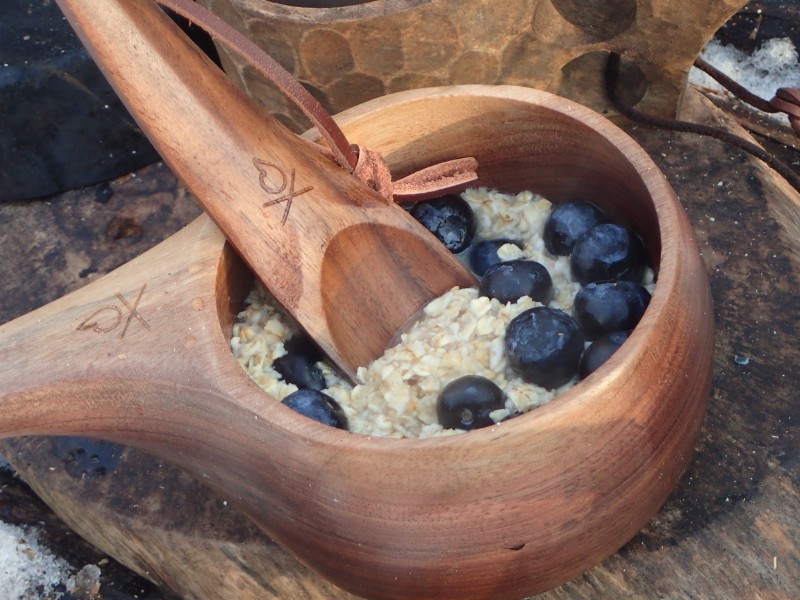
Durability is the real edge. Rubberwood shrugs off the pressure changes of air travel and the temperature swings of alpine treks. For adventurers who want heritage design without the fragility of birch, Überleben delivers. You’ll get a kuksa that blends tradition with modern reliability. It’s good to have options!
Kuksa Cup Keeping It Alive
Routine care keeps a kuksa strong. Rub food-grade oil—walnut, linseed, or mineral—into the wood. Store it dry and out of direct sunlight. With simple upkeep, it becomes a trail heirloom, not just a cup!
Advertisement — Continue Reading Below