We talk a lot about weapon-mounted lights and handheld lights, and the defensive use of lights, but defense is best done in layers. One layer that can make a big difference in someone even targeting your home is lights, specifically security lights. Lights, combined with cameras, can be an effective deterrent and help maintain high situational awareness.
Setting Up Security Lights
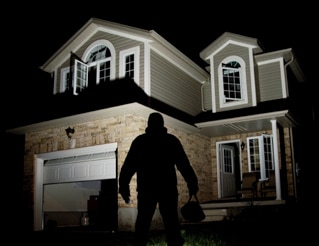
As a deterrent, they make it difficult for anyone to remain unseen. This casts a shadow of doubt on a potential home invasion practitioner. Bright lights make it tough to hide an approach, and who knows who is watching. In the event someone starts trying to kick down your door, bright exterior lights make them easy to spot and, hopefully, record for evidence.
There are plenty of security lights and camera types available to provide an affordable way to light up your yard, but setting them up successfully is where many people struggle. Let’s break it down so you can engage that first layer of defense.
Advertisement — Continue Reading Below
Layering Your Security Lights
A good defense is layered, and inside those layers are layers. For security lights, we need to have layers. These layers include pathway lights, entryway lights, and motion-activated floodlights.
Pathway lights provide low-intensity, often solar-powered options that act as both a layer of security and an aesthetic concern. These lights help define boundaries and are placed along fence lines and walkways. It’s a low-grade light that acts as more of a deterrent to the casual trespasser than the home invader.
From there, we get into entryway lights. The lights that are above your doors. They are medium-brightness lights and, like pathway lights, are often considered aesthetically. These lights allow you to see right outside the door, making your Ring camera a little more useful and increasing your ability to identify people through windows and peepholes.
Advertisement — Continue Reading Below
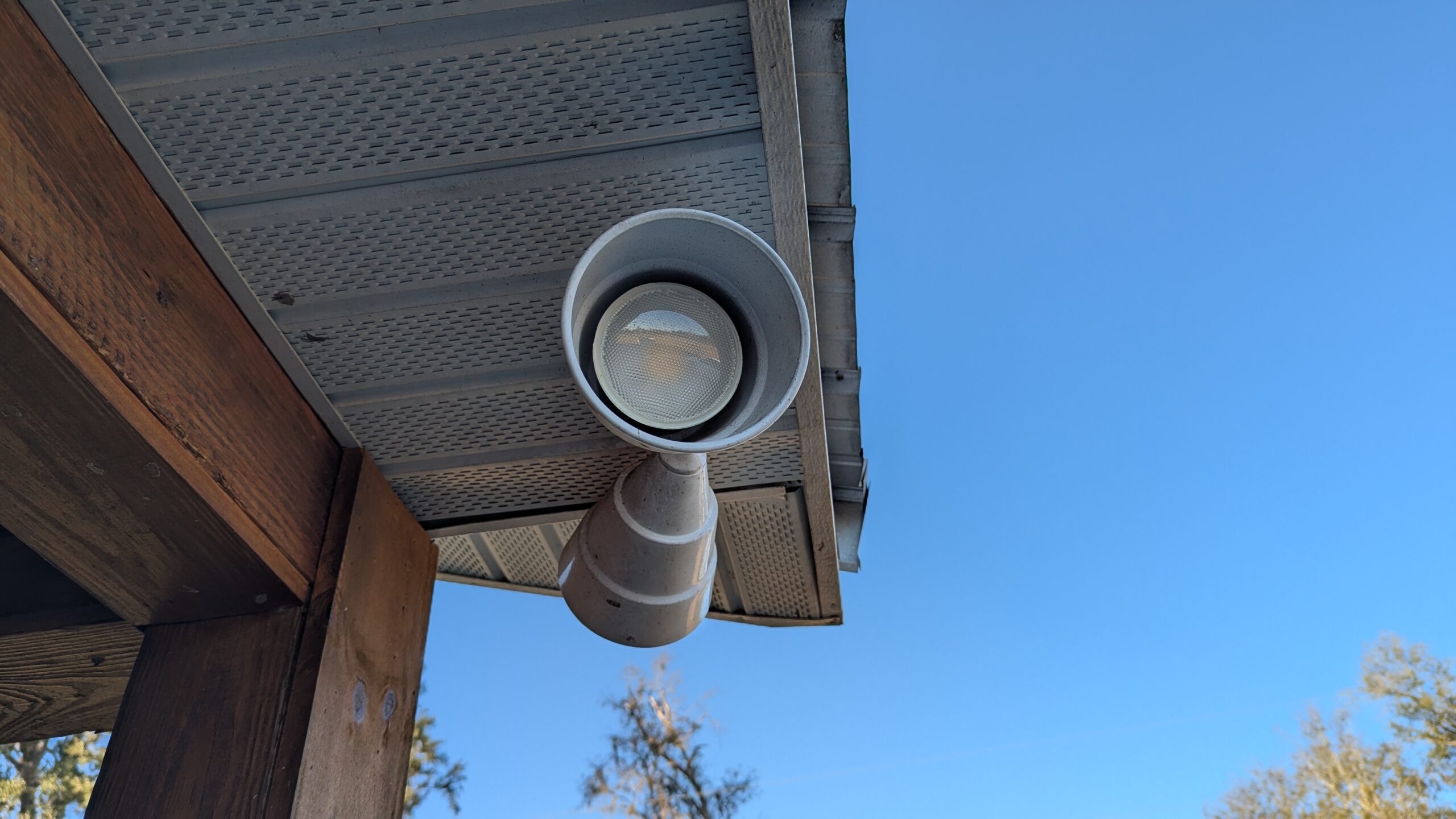
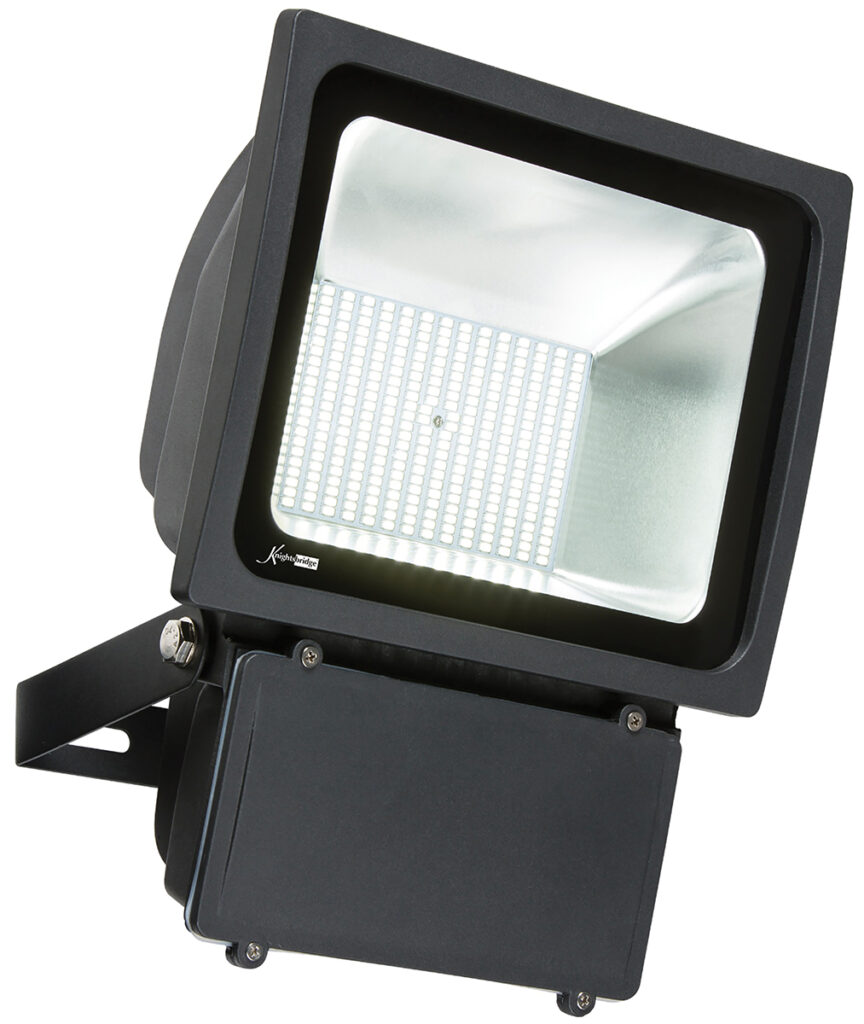
Finally, we get what everyone thinks about when I say security lights. Floodlights, preferably motion-activated floodlights. These are extremely bright, and they aren’t desirable to keep on all the time. Unless you have no neighbors or dislike them immensely. Motion-activated lights are used for dead zones and to cover the far sides of your yard.
The bright light makes it easy to spot threats, and acts almost as an alarm to alert you to movement. Sure, sometimes it’s a possum, but it might not always be a possum.
Advertisement — Continue Reading Below
Placement of Security Lights
A security light is only as good as its placement. For pathway lights and door lights, we don’t have tons of options, but for other lighting systems, we get to be a little pickier. For one, let’s place lights in a position that a bad guy can’t reach.
Placing them lower makes it easy to change a bulb, but let’s not pretend we need an excuse to break out a ladder every now and then. Security lights should be placed too high to be reached. If they’re low, then they can be tampered with and rendered ineffective.
Advertisement — Continue Reading Below
You want to place the lights so they illuminate entrances that aren’t immediately visible. This can be backdoors, windows, basement entrances, etc. The lights should cover these blind spots. I like corner lights that push light out to the far reaches of my yard. They make it tough to sneak up on.
Security lights are like machine guns. They work best with overlapping fields of fire…or light. The beams from your security lights should overlap one another. This prevents gaps and ensures total light coverage around the home.
The Motion Sensor Aspect
Motion sensors are great for security lights, but can be a pain in the bum. They can be a nuisance when they aren’t properly tuned. Most sensors need to be at least seven feet off the ground to see movement, so this goes back to placement. Keep ‘em high.
Advertisement — Continue Reading Below
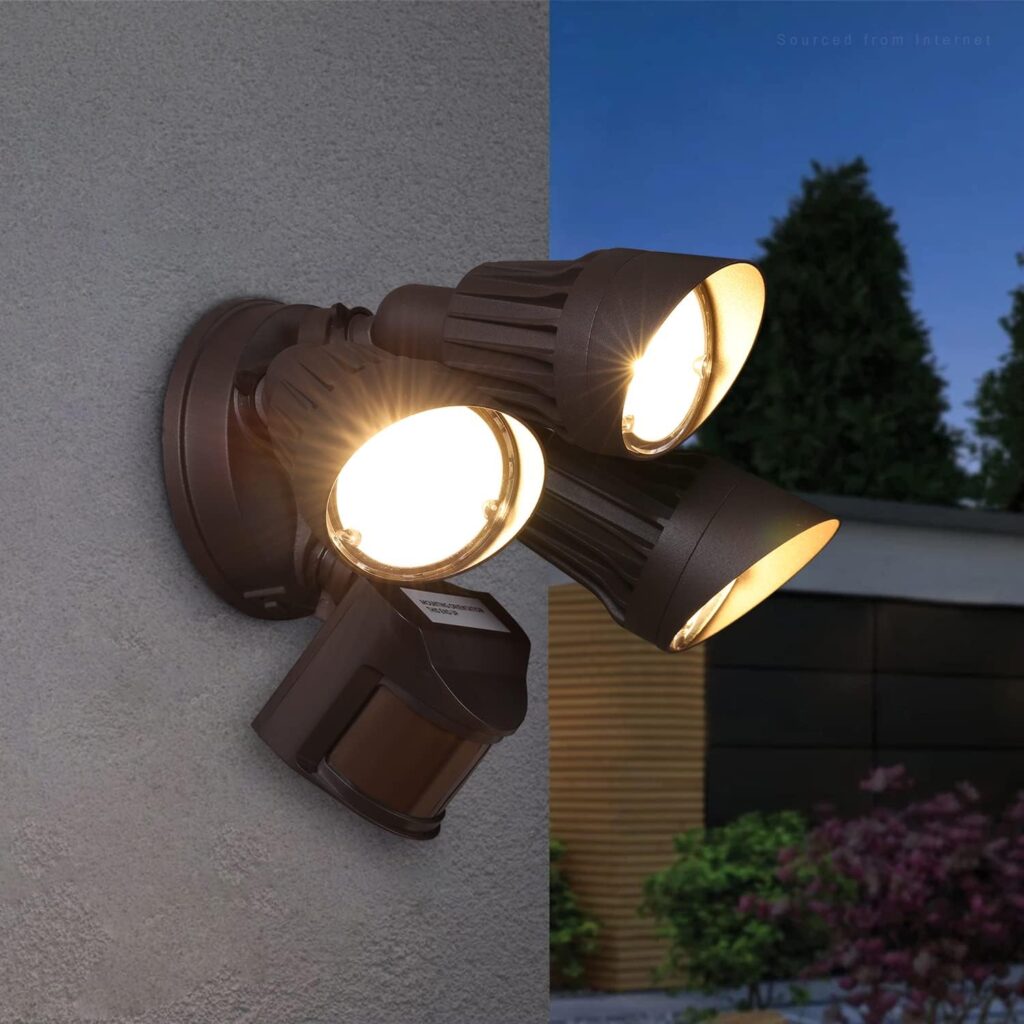
You need to adjust the sensor so it’s angled slightly to the ground. If angled straight, it can detect movement farther away, which is great for passing cars, but craptastic for close-range detection.
You want to test your motion sensors by approaching from multiple directions. See when it picks you up. If it’s too close, adjust the sensor. We don’t want the bad guy on top of you before the light goes off.
Advertisement — Continue Reading Below
Lights, Lights, Lights
Brighter is better, right? Yes, to a degree. Anywhere from 1,000 to 1,500 lumens isn’t bad. It provides a light bright enough to see faces clearly, and would avoid washing out your security cameras.
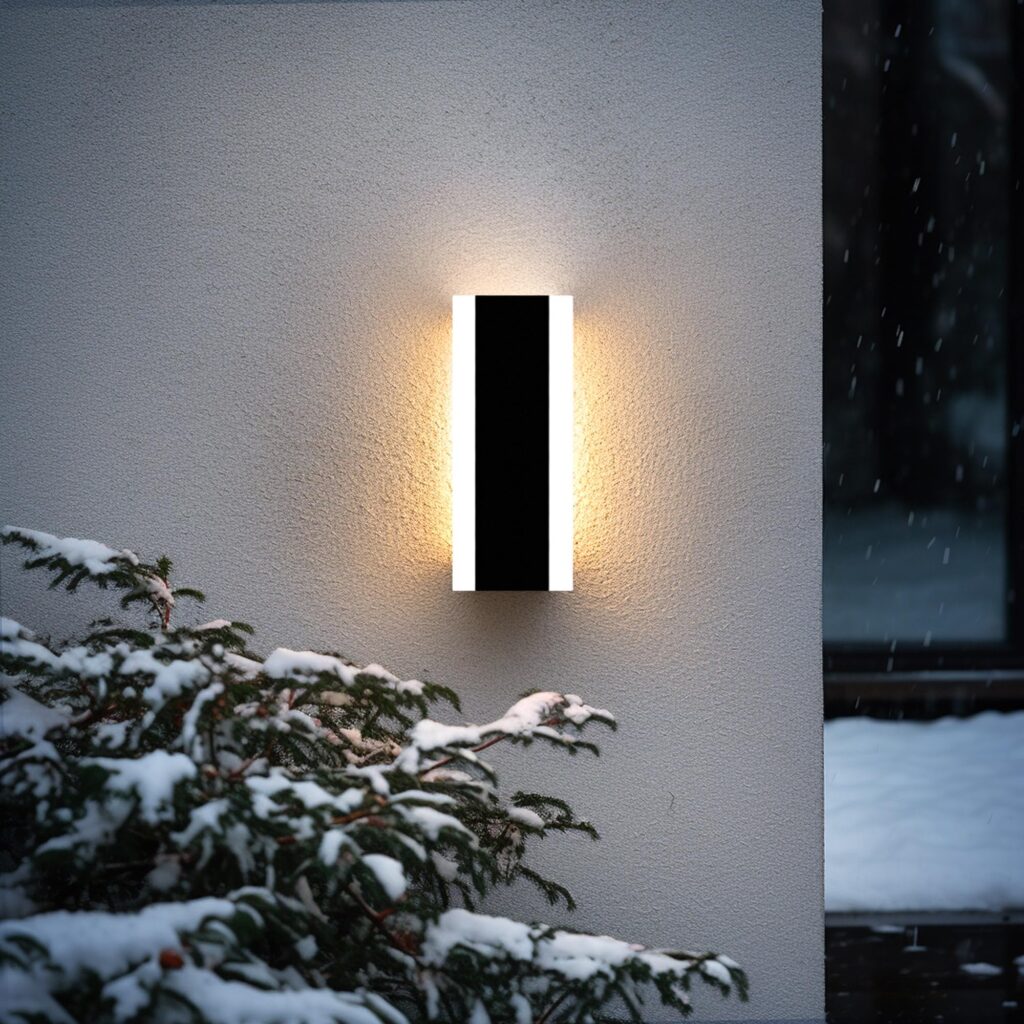
Warm lights, i.e., yellow-looking, are better for facial recognition. Blue lights tend to create more shadows on the face. Aim for 3000K to 4500K for temperature.
Advertisement — Continue Reading Below
Make sure the lights are rated for outdoor use. They’ll be exposed to rain and dust. You want that IP65 rating or better for outdoor lights. Especially if you live in a rainy state.
Light It Up
Having security lights is great, but having the right lights set up properly is the best way to approach the objective. Like anything else dealing with home defense, put some thought into it, practice, and make sure you understand its capabilities and downsides.
Advertisement — Continue Reading Below