Foot health in winter isn’t just a seasonal concern. It’s survival. Your feet are your foundation, the engines that carry you through icy sidewalks, frozen trails, and long days in the urban jungle. Treat them wrong in the cold, and you’re sunk. I learned that the hard way—frostbite doesn’t forgive, and once it strikes, you’ll never forget the lesson about maintaining healthy feet in winter.
Focus on Foot Health in the Winter
Winter punishes carelessness. Damp socks, tight shoes, or poor insulation can turn a simple walk into a slow march toward damage. But with the right choices, you can keep your feet alive and thriving when the mercury drops. This isn’t theory; it’s hard-earned advice from someone who’s been on the losing end of cold exposure.
Frostbite in Winter
The first time I got frostbite was a complete shock. The short of it, I was visiting the Northeast straight from Louisiana with a pair of trail runners and deer skin moccasins. These were only bad choices for winter snow hiking.
Advertisement — Continue Reading Below
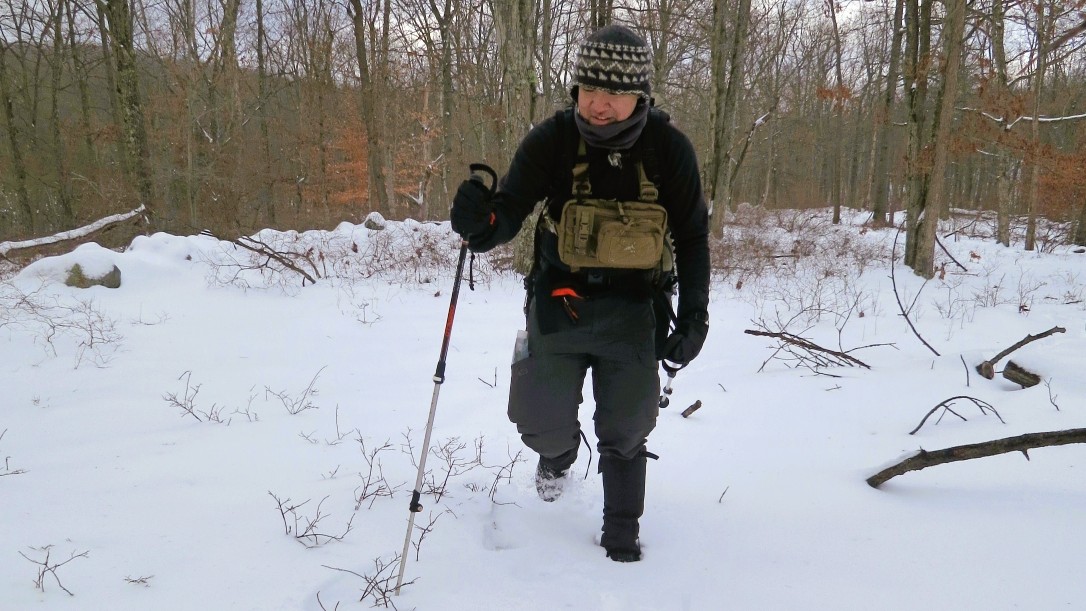
A big snowstorm approached, and a friend wanted to camp. I had two options and chose the trail runners. The snow was deep, and in minutes, my feet were cold, then wet from melting snow in my shoes. I spent 30 hours like that.
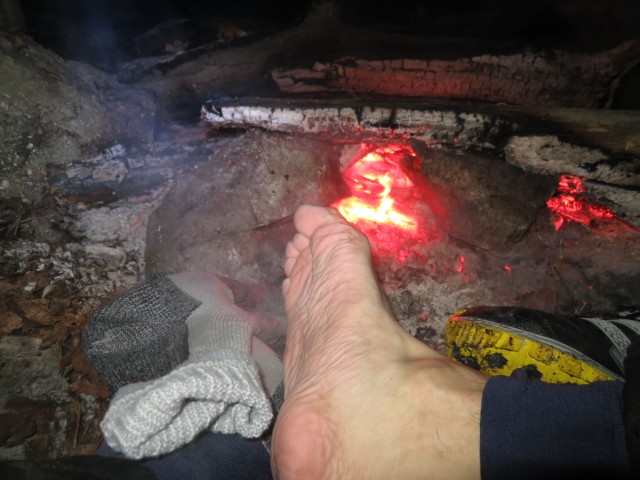
I tried warming and rubbing my numb feet by the fire—two no-nos for frostbite. However, I didn’t know I was getting frostbite. Heck, I’ve been cold and numb before. This was different. The numbness continued down the mountain, and after a hot shower. Lots of pins and needles—tingling.
That tingling lasted a few months. It was superficial frostbite. Now, I have nerve damage with a high sensitivity to cold, a sad reality for foot health in winter.
The Right Fit for Foot Health
Footwear size isn’t just about comfort—it’s survival in winter. Shoes that pinch cut off circulation, and circulation is what keeps toes warm. Go too small, and you risk numbness, blisters, or worse. Too big, and your foot slides, creating friction and hot spots.
Advertisement — Continue Reading Below
The sweet spot is half a size up from your summer shoe. This method allows thicker socks without strangling your feet with tight laces. Think of it as insurance against the cold. Snug enough to support, roomy enough to breathe for good foot health during winter.
Socks for Outdoor Activities in Winter
Not all socks are created equal. Running in the cold demands lightweight wool that wicks sweat fast. Hiking calls for midweight wool that cushions every step and keeps moisture at bay. Winter camping? That’s heavyweight territory—thick wool that traps heat even when damp.
Wool excels across the board because it insulates, breathes, and resists odor. Cotton, on the other hand, is a liability. Once wet, it stays wet, and wet means cold, which is detrimental to foot health in winter.
Advertisement — Continue Reading Below
Merino Wool for Winter
Merino wool comes from one of the world’s oldest and toughest sheep breeds. Originating in Spain and now raised in Australia and New Zealand, Merino sheep thrive in extremes—scorching summers and freezing winters. Their coats adapt: light and breathable in heat, dense and insulating when temperatures plunge below zero.
That adaptability makes Merino wool a mainstay for outdoor gear. It breathes in summer, insulates in winter, and stays lightweight and soft against the skin. Fine, crimped fibers trap air, creating warmth without bulk and durability without scratch. With the best warmth-to-weight ratio of any natural fiber, Merino keeps you warm even when wet. It’s a critical defense against hypothermia from sweat or sudden storms.
Wool absorbs water but, unlike cotton, still insulates, making it reliable for running, hiking, or camping. Lanolin, the natural oil in sheep’s wool, adds water resistance and odor control, keeping Merino garments fresh for adventure wear.
Advertisement — Continue Reading Below
Easy Wind Outfitters: Merino Wool in Action
When it comes to foot health in winter, gear choice makes all the difference. Easy Wind Outfitters builds its socks from premium Merino wool, and I’ve put them to the test.
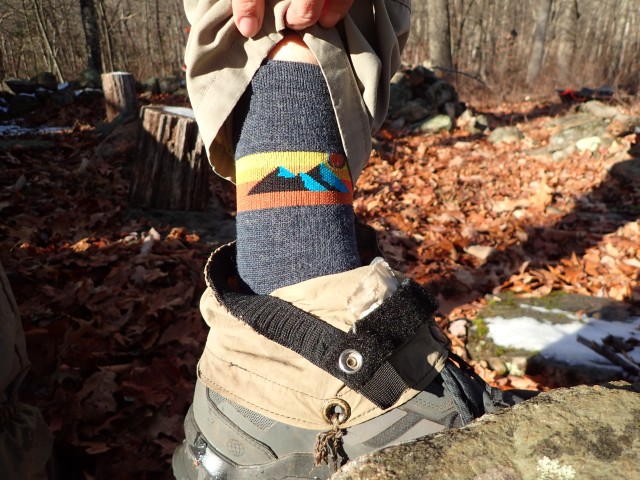
On the hike into a winter camp spot, I wore the Overlook Hiking Sock. Its snug fit and breathable Merino kept my feet warm without overheating, even as the trail shifted from icy climbs to slushy descents. The wool’s natural ability to wick moisture meant my feet stayed dry, a critical defense against frostbite.
Advertisement — Continue Reading Below
MSRP: $22.00
For the night in camp and the hike out, I switched to the Elevation Cushioned Hiking Sock. Thicker and softer, it felt like insulation you could trust. Sleeping in them was a revelation—warmth without sweat, comfort without bulk.
Changing socks at night is a must. Your feet will thank you! On the hike back, the extra cushioning absorbed the pounding of frozen ground, proving that Merino adapts as well to rest as it does to exertion.
Advertisement — Continue Reading Below
MSRP: $25.00
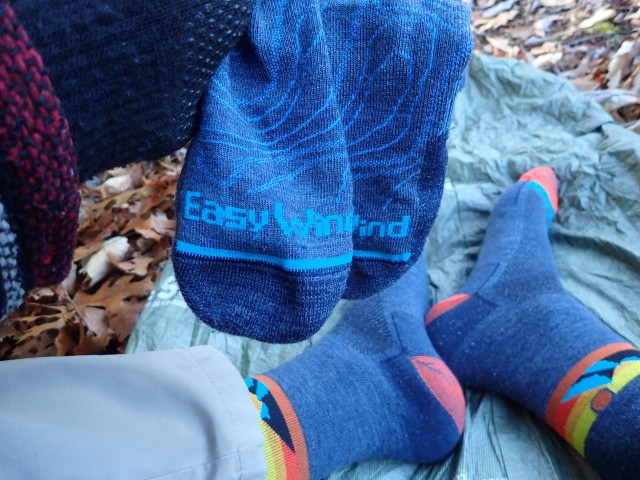
Easy Wind Outfitters shows how modern design and ancient fiber fuse into gear that performs when it matters most. These socks aren’t just accessories—they’re survival tools for making a difference in foot health during winter. Brian and Jennifer will get you hooked up with the right socks for your adventures, all made right here in the USA. And they are excellent!
Advertisement — Continue Reading Below