Fire isn’t everybody’s bag. That’s why several companies have made tinder that easily lights in most conditions. Still, picture yourself in a frozen clearing, wind cutting through your jacket, matches damp from snow. Being Fire Ready for Winter means having hacks that spark instantly, even when nature stacks the odds against you.
Are You Ready to Start a Fire in an Emergency?
DIY Fire Prep
All the DIY tinder listed here will easily ignite with an open flame, like a match, lighter, or plasma lighter. The real advantage comes from portability—these hacks pack small, burn hot, and stay ready even in most conditions. That reliability is what makes you ready.
Advertisement — Continue Reading Below
Duct Tape Sandwich for Winter
Not cleaning the lint trap from a dryer is a leading cause of house fires in North America. Dryer lint is very flammable, which is why it makes good fire tinder. Talk about a free tinder to practice with and use for bonfires, camping, and survival. Combined with duct tape, it makes a nice combo. The tape will act as an accelerant, while the thin fuzzy dryer lint will take a spark or flame—fast!
To make the duct tape sandwich, roll up some lint in a length of the good ol sticky stuff. Make them like a flat sandwich or tight roll. Either way, it will work and impress all onlookers.
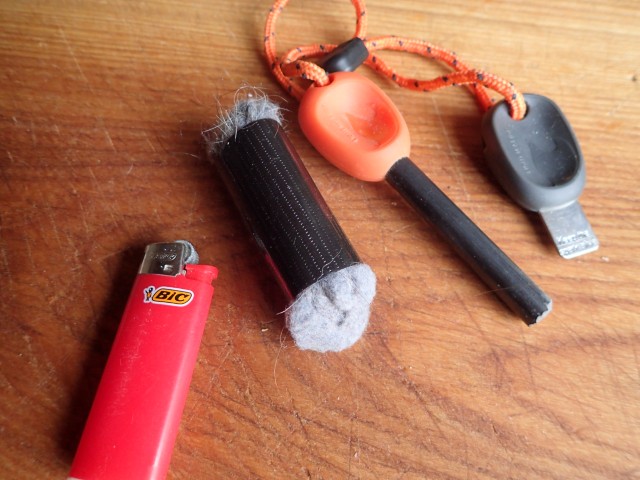
Duct tape, though designed for repairs, hides flammable traits in its construction. The fabric mesh woven into its middle layer catches flame, while the rubber‑based adhesive feeds combustion. Wrapped around tinder like dryer lint, duct tape creates a compact, combustible bundle that lights quickly once exposed to sparks or flame.
Advertisement — Continue Reading Below
It’s not fire‑resistant—standard duct tape softens above 140°F and burns readily—so in a pinch it doubles as improvised fuel, another hack that keeps you Fire Ready for Winter.
Storage: A plastic ziplock bag works best, helping keep the dryer lint dry and fluffy.
Fire Ready Magnesium Shavings
One of the first fire-starting pieces of gear I bought when I was new to fire skills was a magnesium block. It had a small ferrocerium (ferro) rod attached via glue. It wasn’t a genuine Doan-brand military-grade block. It was a cheaper off-brand. Eventually, the cheap ferro rod would detach, and I’d be scrambling for it in the forest duff or ashy fireplace.
Advertisement — Continue Reading Below
Scraping the magnesium off was a real chore that mimicked a harsh, tedious punishment. There was no comfortable way to grip the rectangular block. And making a pile of shavings in the slightest wind was beyond frustrating. However, it worked.
Magnesium is a lightweight metal prized in survival fire kits because when scraped into fine shavings, it ignites with sparks and burns at blistering temperatures—around 5,610°F (3,100°C). That heat is more than enough to catch damp tinder or stubborn kindling, making magnesium a reliable fallback when conditions are cold and wet.
The trick is preparation: the finer the powder, the faster it flashes into a white‑hot blaze, proving its worth when you’re Fire Ready for Winter.
Advertisement — Continue Reading Below
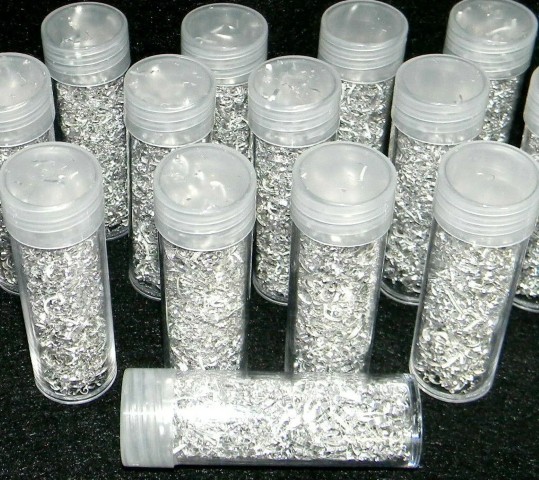
Storage: This is the most fickle tender to make and store. Wind is the enemy here, more so than moisture. A plastic, glass, or aluminum container, like a match safe or sample vial, is excellent. Pill fobs are also good and usually have a water-tight seal.
Fatwood Shavings
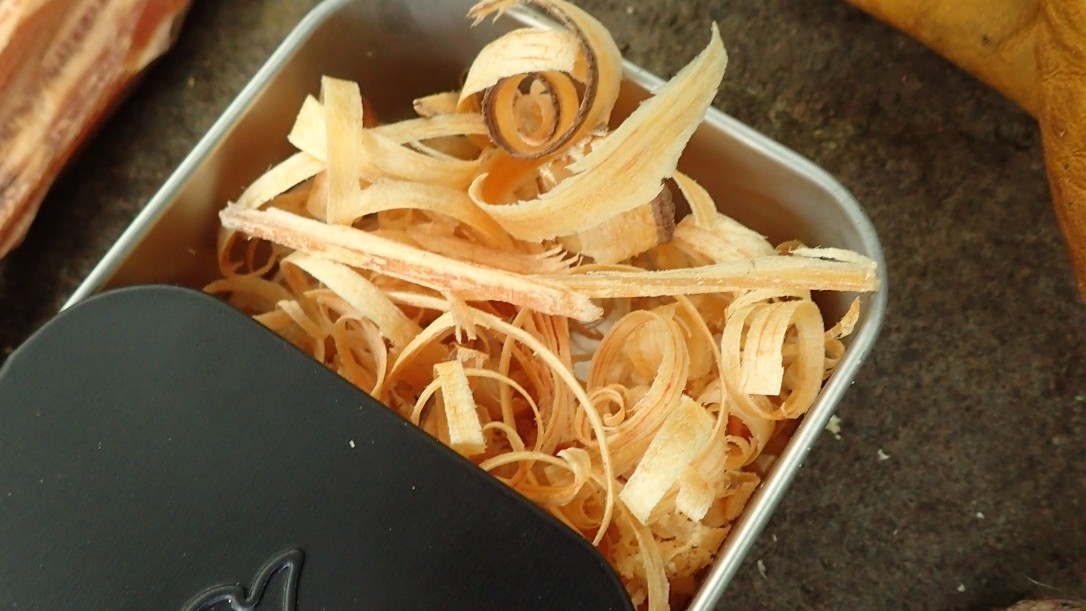
Fatwood is the resin‑rich heartwood of pine stumps, saturated with natural pitch that resists water and lights easily. Its dense, sticky texture and sharp pine aroma are giveaways of its high resin content.
Advertisement — Continue Reading Below
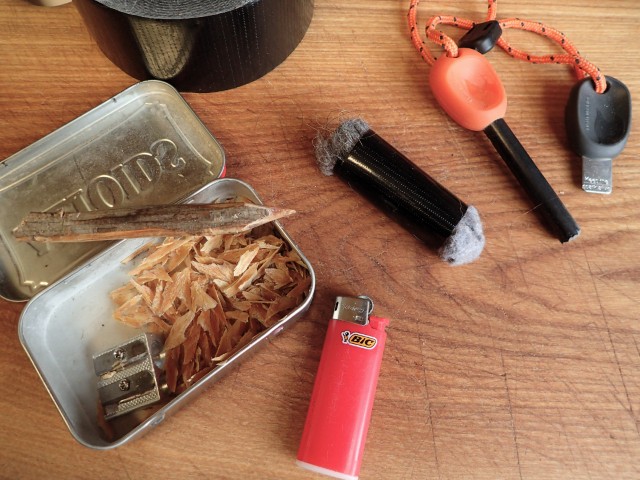
Shaved into curls or sticks, fatwood burns hot and steady, making it one of the most dependable natural fire starters. Even a simple pencil sharpener can turn a chunk into a pile of ready‑to‑ignite shavings, a clever trick to keep you Fire Ready for Winter.
I didn’t grow up finding fatwood stumps and harvesting them in California. However, I saw it on store shelves and never tried it. When I first visited Alabama, I learned firsthand where to find it and how to identify it.
Sawing a piece off and splitting it into sticks worked well. When I needed it, I feathered shavings and used a 90-degree blade spine for finer shavings. It didn’t matter if the outside was damp. It would burn furiously!
Advertisement — Continue Reading Below
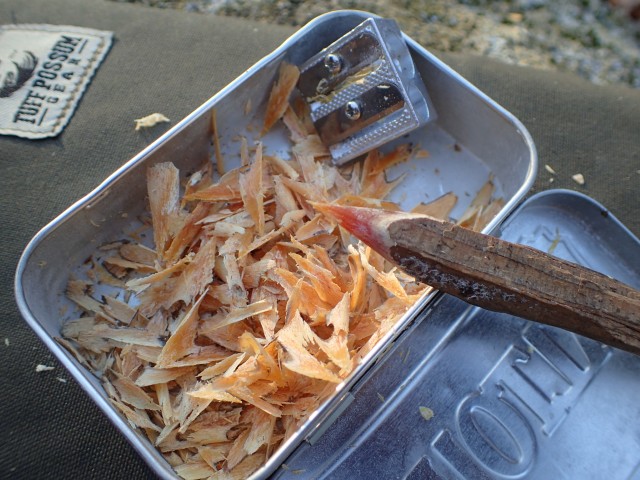
Storage: If the shavings are thin, wind can be their enemy, though not as bad as with magnesium. Thin slivers and chunkier curls store well in any tin made for mints, candy, or balm.
In Closing
Being Fire Ready for Winter means more than gear—it’s about knowing simple tricks that spark confidence outdoors. Pack smart, practice often, and let your fire skills turn cold nights into warm victories.
Advertisement — Continue Reading Below