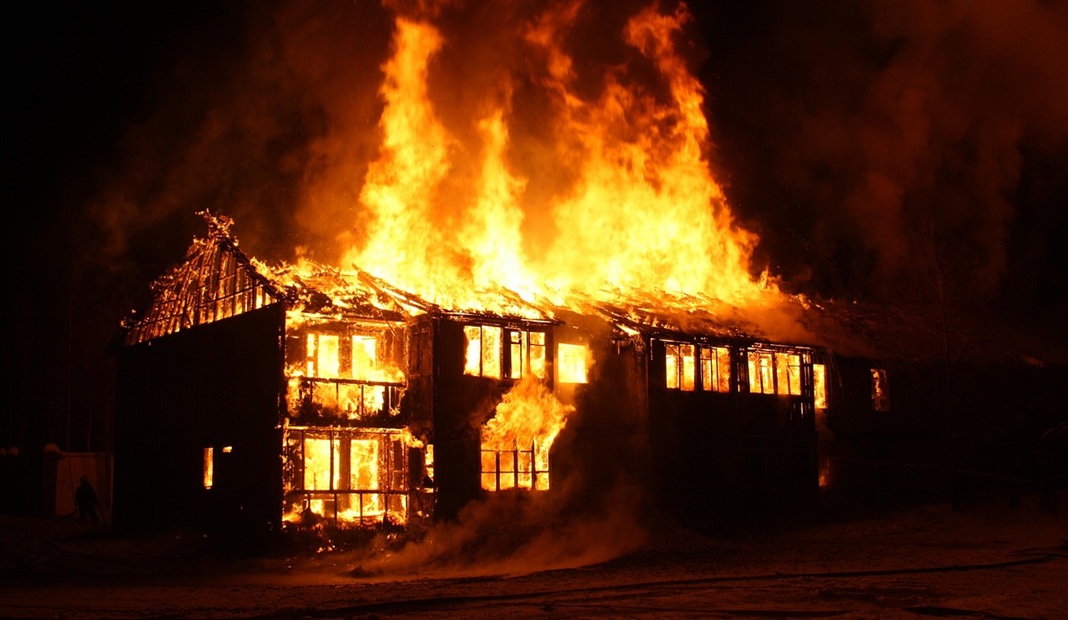
Most homes have at least one smoke detector. We test them diligently twice a year. Unfortunately, fewer homes have fire extinguishers on hand. And fewer still homeowners have any experience using them.
I know a young man who recently came upon a small fire at the factory where he worked. He ran and grabbed an extinguisher. It took him a minute to read the instructions, and then he quickly gave it a short burst to make sure he knew how it worked before tackling the fire. He was able to put it out okay, but he was frustrated because nobody had ever told him how to use the extinguisher. Of course, it wasn’t something he’d thought to ask anyone about, either.
Fire Extinguisher Basics
Fire Extinguisher Types
There are several types of extinguishers on the market. They’re rated based on the materials they’re designed to be used on.
Advertisement — Continue Reading Below
- Class A = wood, paper, cloth, rubber, and plastic materials
- Class B = flammable liquids and oils
- Class C = electrical equipment
- Class D = combustible metals, such as magnesium
- Class K = cooking appliances, like oil fryers
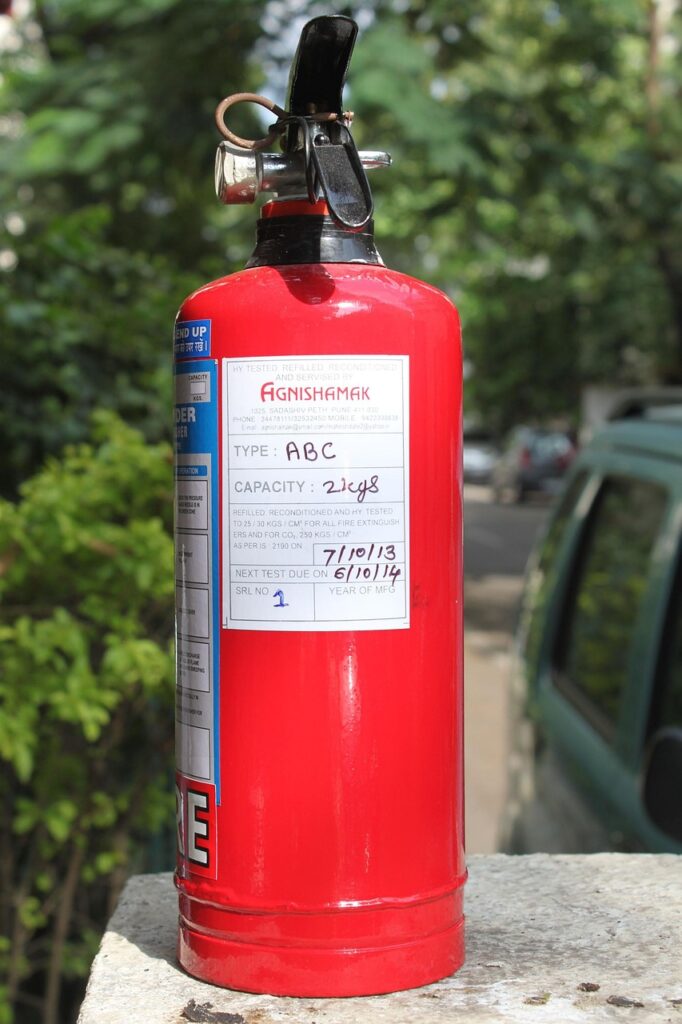
Often, you’ll find ones that have multiple ratings, such as ABC. For the average home, that’s probably all you need. If you have a shop where you’re working with magnesium or similar metals for some reason, you might go that step further. But for most of us, a basic ABC model will be sufficient.
Fire Extinguisher Storage
You should have at least two extinguishers on each level of your home, as well as one in the garage. The goal is to limit the distance you need to go to find one in an emergency.
Advertisement — Continue Reading Below
Keep them away from high heat. For example, while you want one in or near the kitchen, don’t store it right next to the oven.
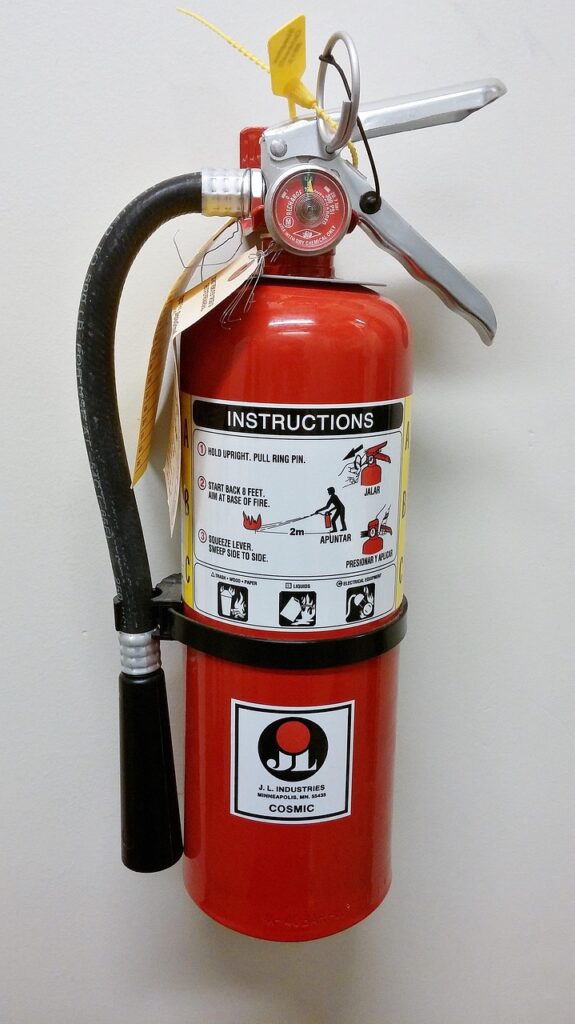
Extinguishers should be stored upright, preferably hanging on the wall from a bracket. This keeps it in a position where you can grab it easily.
Advertisement — Continue Reading Below
There are four areas in the home where fires often start: kitchen, laundry room, patio, and garage. The kitchen is by far the most common, which makes sense.
Fire Extinguisher Use
Should you need to deploy the extinguisher, remember the acronym PASS.
P = Pull the pin
Advertisement — Continue Reading Below
A = Aim the nozzle
S = Squeeze the handle
S = Sweep the nozzle back and forth
Advertisement — Continue Reading Below
Don’t aim at the flames. Instead, aim at the base of the fire. That’s where the burning is happening, and that’s what you want to smother and extinguish.

Fire Extinguisher Inspection and Expiration
Give every extinguisher a good inspection about every six months. Do it the same day you test your smoke alarms. Examine the hose and nozzle for cracks and make sure the pin isn’t missing. This only takes a minute or two, but doing so ensures the extinguisher is in good condition.
Advertisement — Continue Reading Below
There are two types of extinguishers. Disposable ones will become inoperable and largely useless after about 10-12 years from the date of manufacture. This is not the same as the date of purchase. The date of manufacture should be printed on the extinguisher. My recommendation is to use a marker to write the date nine years from the date of manufacture and use that as your date of expiration. This gives you a small cushion.
Other models are rechargeable. These should be recharged every six years. Some fire departments provide this service. If they don’t, they should be able to direct you to a local provider that does so.
Fire extinguishers are an important component of your home fire safety plan. Don’t overlook them.
Advertisement — Continue Reading Below