
Of all the various aspects of preparedness, finances usually get the least amount of attention. But this is an extremely important area, despite its low priority for many people. There are a ton of different angles that come into play.
Preparing Your Finances for a Crisis
One angle is simply how bills are paid. Most households fall into one of two categories.
1) One person is responsible for paying everything. The funds to do so are usually kept in a joint bank account where paychecks are deposited. This is the approach my wife and I use, and it’s worked pretty well for 30+ years.
Advertisement — Continue Reading Below
2) The household bills are divided up between two or more people. Each person is responsible for paying the bills assigned to them. For example, one person pays the mortgage or rent and the power bill, and someone else takes care of groceries, gas, and water. This is the method my own parents used when I was growing up.
Every household needs to figure out what works best for them. My wife loves to work with numbers, spreadsheets, and such, so she took over that end of things for us. There are pros and cons to each arrangement, and what works great for one family might be a disaster waiting to happen for another.
Speaking of disaster….
Advertisement — Continue Reading Below
What If?
Let’s say your spouse handles all of the routine bills. You might contribute financially, of course, but they’re the one who schedules the payments and monitors the accounts. If something were to happen to them, would you be able to easily step in and take care of it?

Let’s say that you’re the one who handles the books. Would your spouse or other family members know what to do if you were incapacitated or worse?
Advertisement — Continue Reading Below
Planning Ahead for Trouble
Whether one person pays all the bills or they’re split between two or more family members, there should be some sort of master list of what gets paid regularly. The login or other access information for each account should be noted and updated as needed. Any special information, such as whether some sort of payment plan is in effect, should also be jotted down. Basically, everything someone will need to know to immediately step in and handle the account should be there.
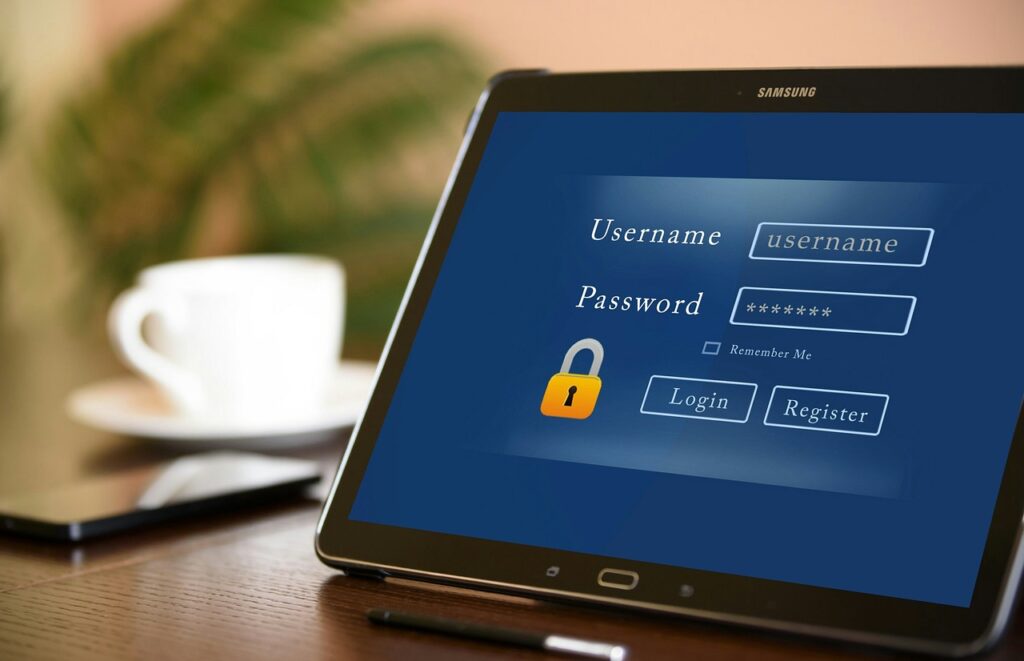
Another way this information is helpful is for canceling recurring charges if needed. For example, if there’s a death, survivors will be able to determine if there are gym memberships or similar accounts that can be closed right away. It isn’t a fun thought, but it is definitely something to keep in mind.
Advertisement — Continue Reading Below
Tip About Closing Accounts
If you’re handling the estate for a deceased loved one or family member, be careful about getting too aggressive with closing accounts. Many people, particularly older generations, have their primary email address tied to their Internet provider, rather than something like Gmail.
Let’s say you need to reset a password for their Visa account or something. That password reset link will go to their email address. If you’ve already closed that account, then you’ll have no way to reset the password.