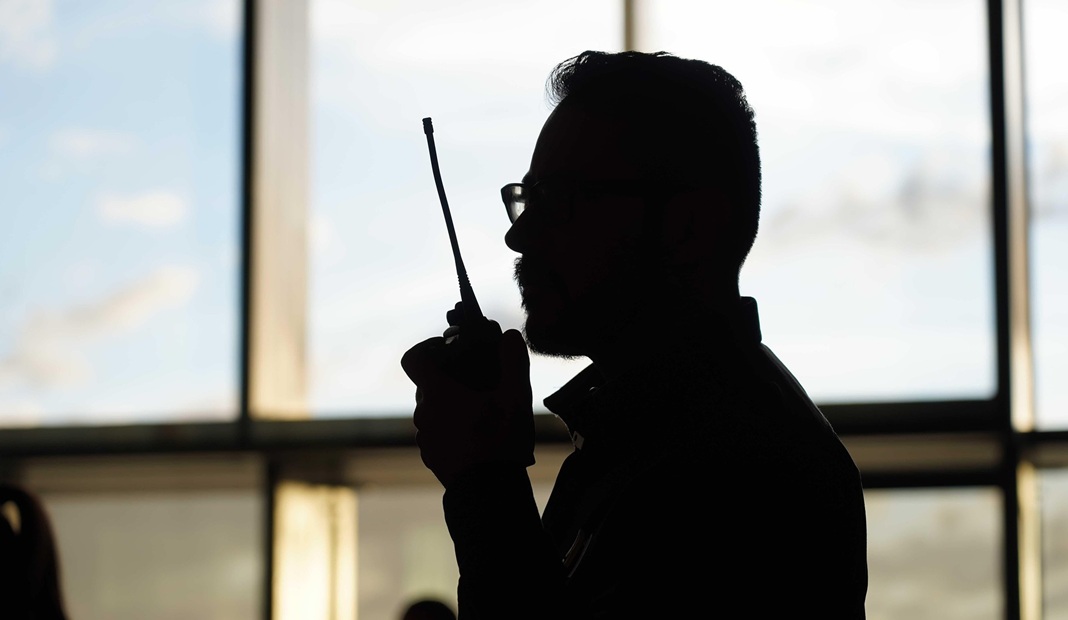
When it comes to emergency communications, it’s a good idea to have a plan for how you’ll be able to reach family. Part of the equation has to take into account the potential necessity for conserving power. For example, you might not have an easy way to charge your cell phone. That being the case, just leaving it turned on and expending energy 24/7 isn’t the best approach.
3-3-3 Plan for Emergency Communication
The idea is simple. The 3-3-3 Plan is an easy-to-remember schedule for emergency communications.
Turn your device on at the top of every third hour, tune to Channel 3, and monitor it for three minutes. The first two elements are pretty easy, right? At 12:00, 3:00, 6:00, and 9:00, from midnight to noon and back, turn on your comm device and listen to it for three minutes.
Advertisement — Continue Reading Below

The confusing part can be the Channel 3 part of the equation. If you’re using a cell phone, for example, what the heck is Channel 3?
This is where you customize the plan to suit your needs. If you’re using a radio or device that has multiple frequencies, designate one of them to be your “Channel 3.” If it’s a cell phone, maybe it isn’t so much a channel as it is to send a message via text.
Advertisement — Continue Reading Below
Benefits of the 3-3-3 Plan
There are several reasons why you might adapt this concept for your emergency plan. It helps you conserve battery power, as you can leave your device turned off until it’s needed.
The plan allows for eight opportunities for communication each day. It sets up a definitive schedule so that you know someone will be listening or monitoring at regular intervals. This is a better plan than just firing off messages and hoping someone sees them sometime. Trying to do this hourly is a bit much, so every three hours is a good compromise.
Things to Remember
In order for this to work, you’ll need a way to tell time. More and more people have given up using watches and instead just rely on their cell phones. At home, this probably won’t be an issue, as wall clocks are still used by many. If you’re out and about, though, this could be an issue.
Advertisement — Continue Reading Below

If everyone’s clocks aren’t entirely in sync, and they probably won’t be, you might want to work in a cushion. While the plan specifies to monitor for messages for three minutes, maybe do it for five or six minutes instead. The extra minute or two won’t burn up that much more battery life.
Related to that is remembering that time zones are a thing that exists. If you’re in one and your family member is in a different one, you’ll need to work out ahead of time which one is the “official” time zone. Don’t leave this subjective. Make a definitive decision well in advance, so there is no room for confusion.
Advertisement — Continue Reading Below
At least two of the specified times, 12:00 AM and 3:00 AM, are when many people are traditionally sleeping. Decide in advance if your emergency communication plan will require someone to monitor for messages or contact during those times. Every family is different, and for some, this might be far easier than for others.
Commit to the Plan

Plans like this only work if everyone involved is on board. Make sure every family member is aware of the plan and how it’s supposed to work. Consider doing test runs at least once or twice a year to work out any potential kinks in the plan.
Advertisement — Continue Reading Below