Don’t you hate it when the title of an article is a question that never gets answered? I do, so let’s answer it: a tactical lever action can be a capable home defense gun. Any gun is better than no gun, and lever actions are better than almost any other manual-action rifle on the market. However, I don’t think they make sense when compared to most other modern options.
The Tactical Lever Gun: Yes or No?
In what we’d call a “free state,” you have a ton of choices: ARs of various calibers, semi-auto shotguns, handguns, and PCCs. I don’t think most people are looking to use a lever action when they live in a state that allows for those alternatives. Where lever actions are typically suggested for home defense is in restricted states.
Advertisement — Continue Reading Below
States that prohibit or complicate the ownership of semi-auto rifles and handguns are the primary market for the tactical lever action. They offer a less-restricted alternative with a decent rate of fire and capable calibers. Still, even in “ban states,” they don’t always make the most sense.
With that said, there are some inherent strengths to a lever gun in restricted jurisdictions.
The Strengths of the Tactical Lever Gun
If you live in a restricted state, the lever action can make sense, but not necessarily the “tactical” version. In many anti-gun states, self-defense laws aren’t fantastic. You might not have a castle doctrine or the ability to stand your ground. The optics of a wood-stocked lever action look much better in a courtroom than a blacked-out tactical weapon.
Advertisement — Continue Reading Below
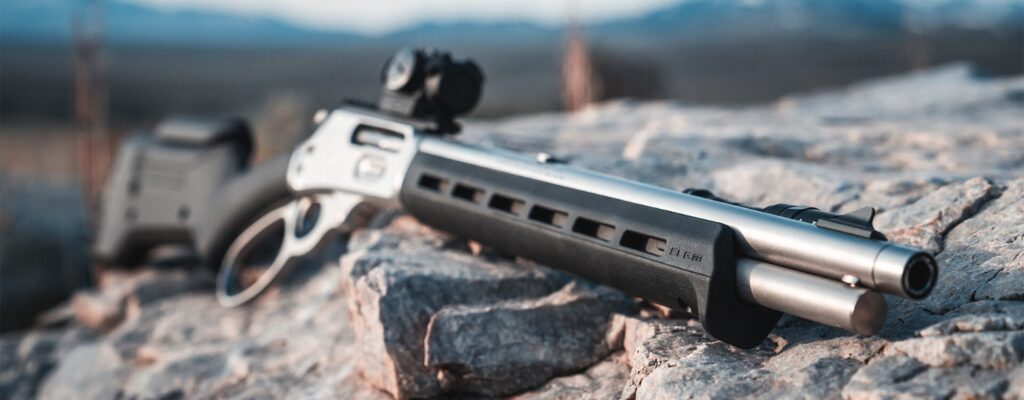
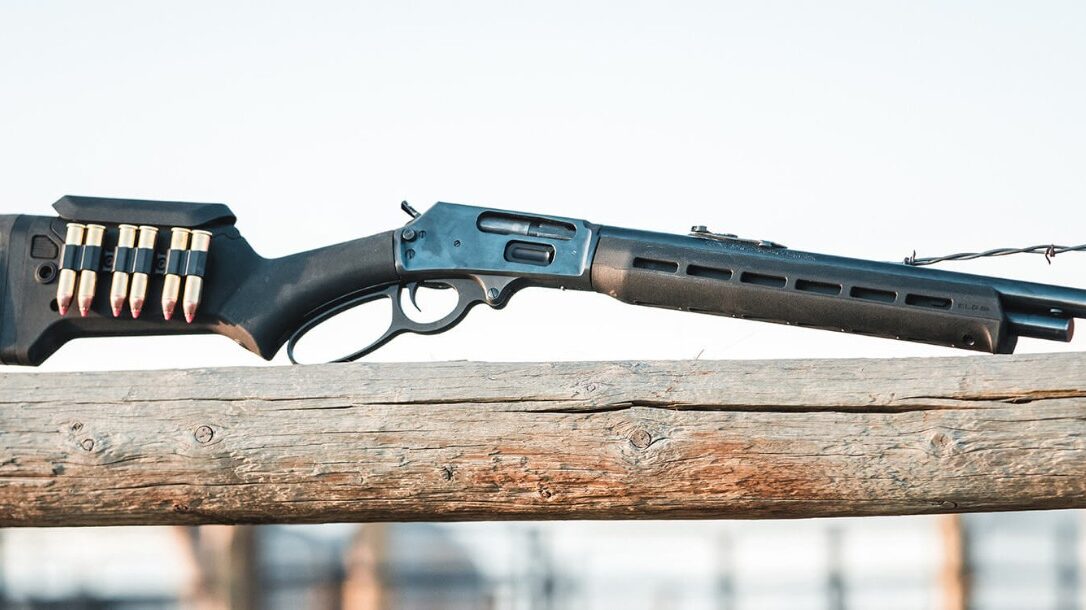
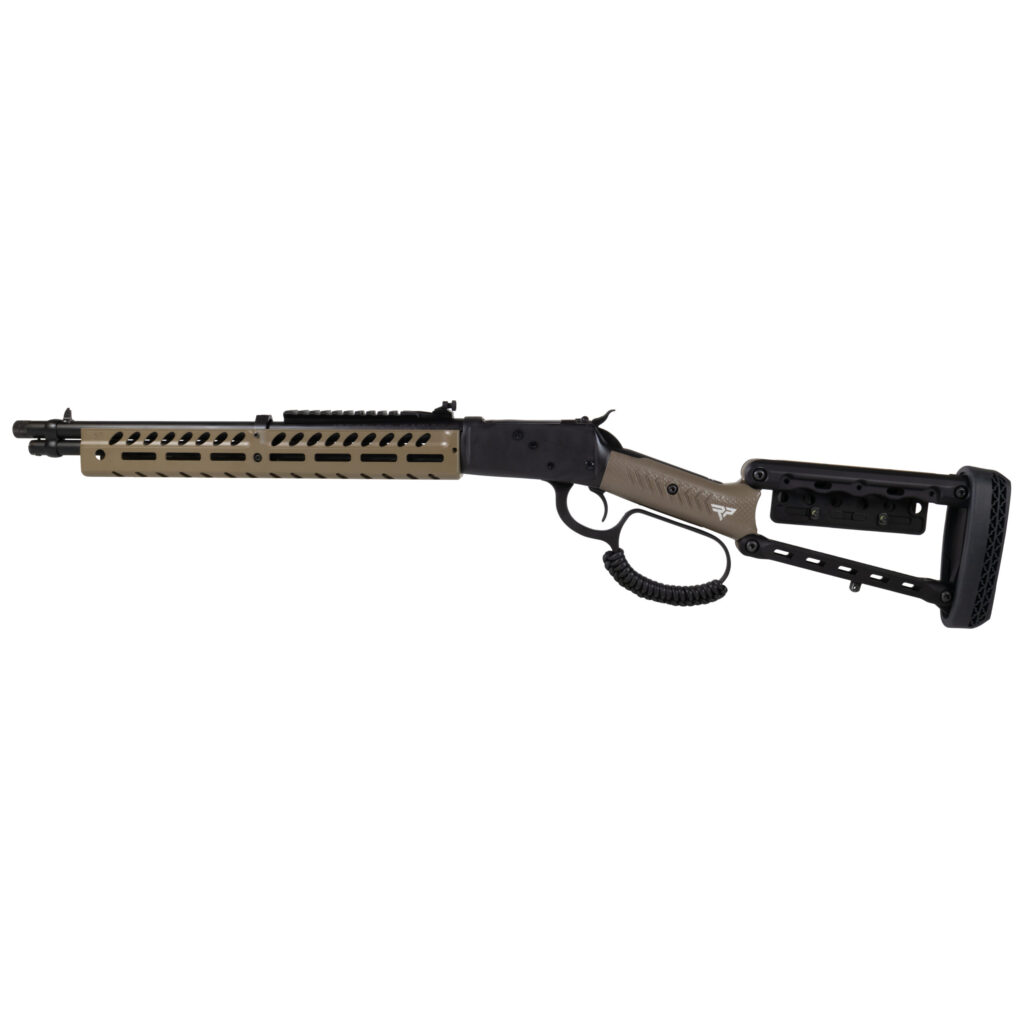
This means we have to acknowledge that a tactical lever action, with all its bells and whistles, might not be the best choice for legal optics. M-LOK rails and black furniture might make the gun look “scary” to a jury.
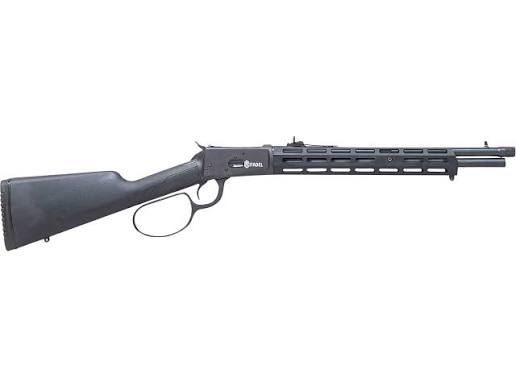
If we set the optics aside, there are still mechanical strengths. Even when covered in black furniture, a lever action is easier to justify than a restricted AR with the same features. It is also an investment that won’t change with the rising tide of gun restrictions. It is likely to remain “protected,” for lack of a better term, and you won’t have to neuter it to keep it.
Advertisement — Continue Reading Below
Most tactical lever actions are lightweight, handy, and short enough to maneuver easily. They also suppress extremely well, though few restricted states allow suppressor ownership.
The Calibers
Tactical lever actions come in a wide variety of calibers. Traditional choices include .30-30, .45-70, and various magnum pistol cartridges like .44 Magnum and .357 Magnum. Any of these will stop a threat. The rifle cartridges have a distinct power advantage, but they also carry hefty recoil and lower capacity.
A standard .45-70 has roughly the same recoil as a 12-gauge firing buckshot. The .30-30 is a bit milder. Pistol cartridges, including the mighty .44 Magnum, have less recoil and are much more controllable.
Advertisement — Continue Reading Below
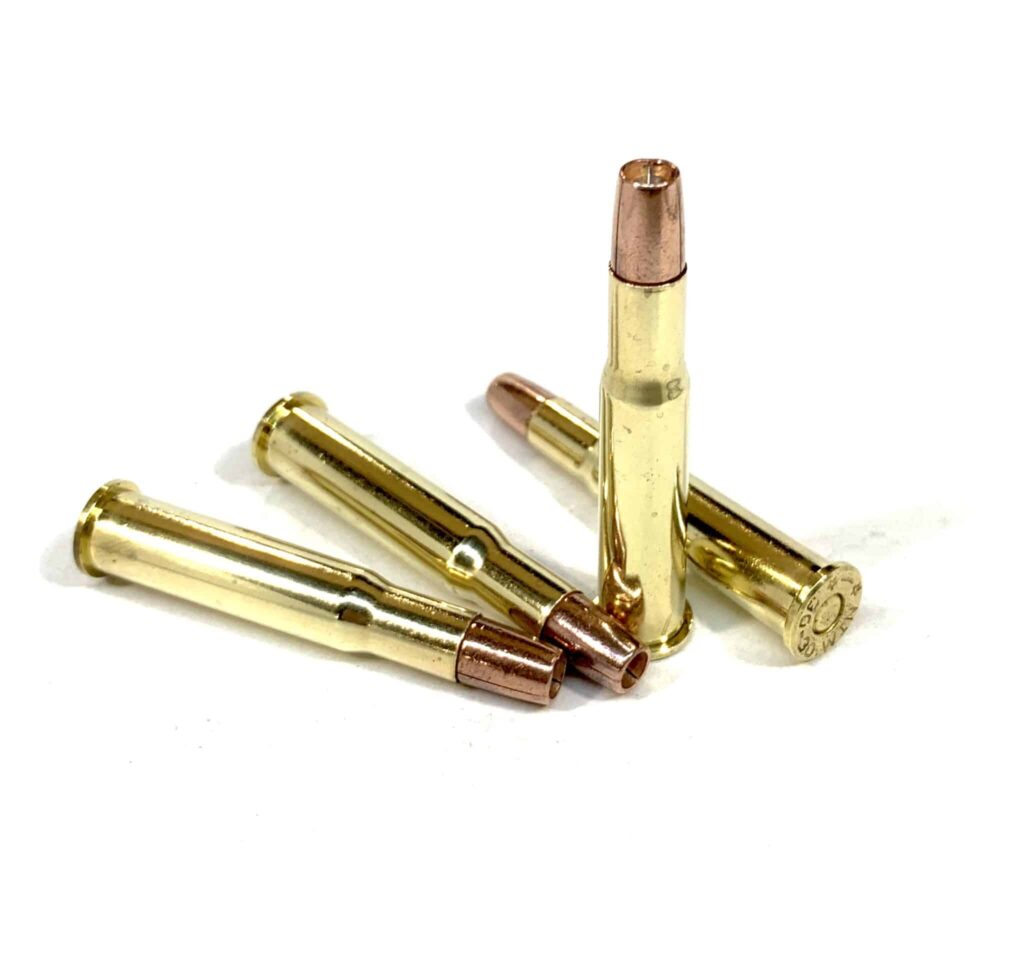
Where you run into issues with hefty rifle calibers is in their intended use. They are commonly made for hunting, and rounds like the .45-70 present significant over-penetration concerns in a home. This is less of a risk with .30-30, and much less with magnum pistol rounds, provided you use the proper defensive ammunition.
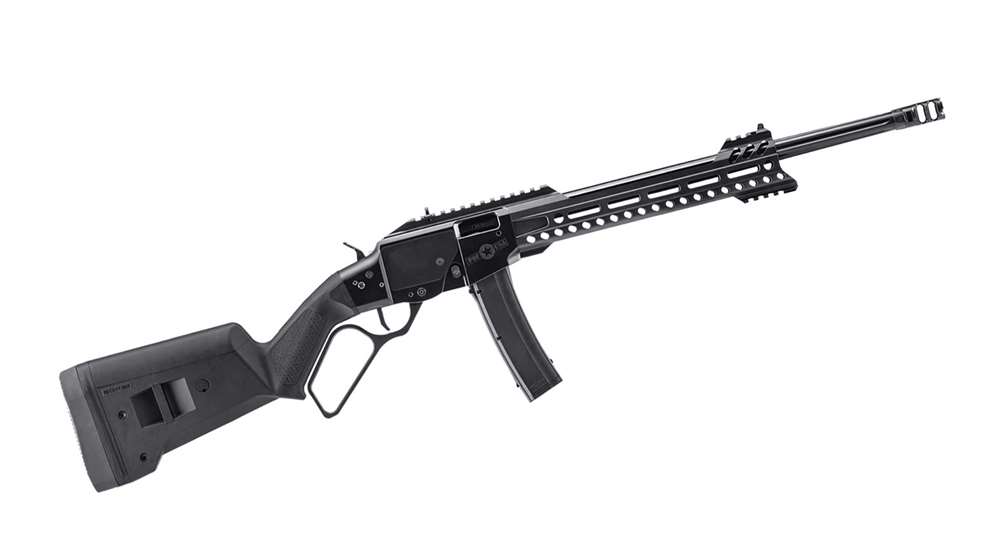
More modern options have introduced calibers like .300 Blackout and 5.56 to the mix. The Henry Lever Action Supreme, for example, provides AR magazine compatibility in both of these cartridges. In states where capacity is restricted to ten rounds, you can use standard-pattern magazines and modern rifle ballistics.
Advertisement — Continue Reading Below
The Downsides: Manual Operation
Having to work the lever between shots makes it difficult to fire quick, accurate follow-up shots. Your hand leaves the firing position every time you cycle the action. Working a lever is slower than a semi-auto and even a pump-action shotgun. I can put two rounds of buckshot on target in less than a second with a pump.
Try as I might, I cannot do the same with a lever action. It takes me considerably more than a second at the same range on an IPSC-sized target. This might be a skill issue, but it takes much longer to build that proficiency than it does with a shotgun. Plus, with a shotgun, I am getting 8 to 12 impacts per trigger pull rather than one.
Advertisement — Continue Reading Below
Like a pump shotgun, there is a risk of short-stroking the action under stress if you haven’t dedicated yourself to training. Reloading most tactical lever actions is also slower, as you have a small side-loading gate to cram rounds into. While magazine-fed options fix this, they are currently rare and expensive.
The Competition
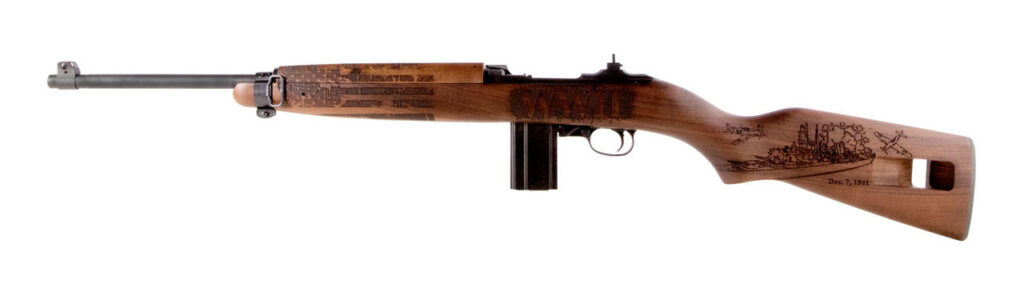
The lever action often falls apart when compared to the competition in ban states. Guns like the SKS or a feature-compliant M1 Carbine offer immediate semi-auto advantages. The SKS fires a rifle caliber from a fixed ten-round magazine, making it legal in most places, though it is heavier and longer than most lever guns.
Advertisement — Continue Reading Below
The Ruger PC Carbine is another simple option that comes in ban-state configurations. It offers a semi-auto action, 9mm compatibility, and easy mounting for optics and lights. The Ruger Mini-14 is another favorite, providing the traditional look of a wood stock with 5.56 performance.
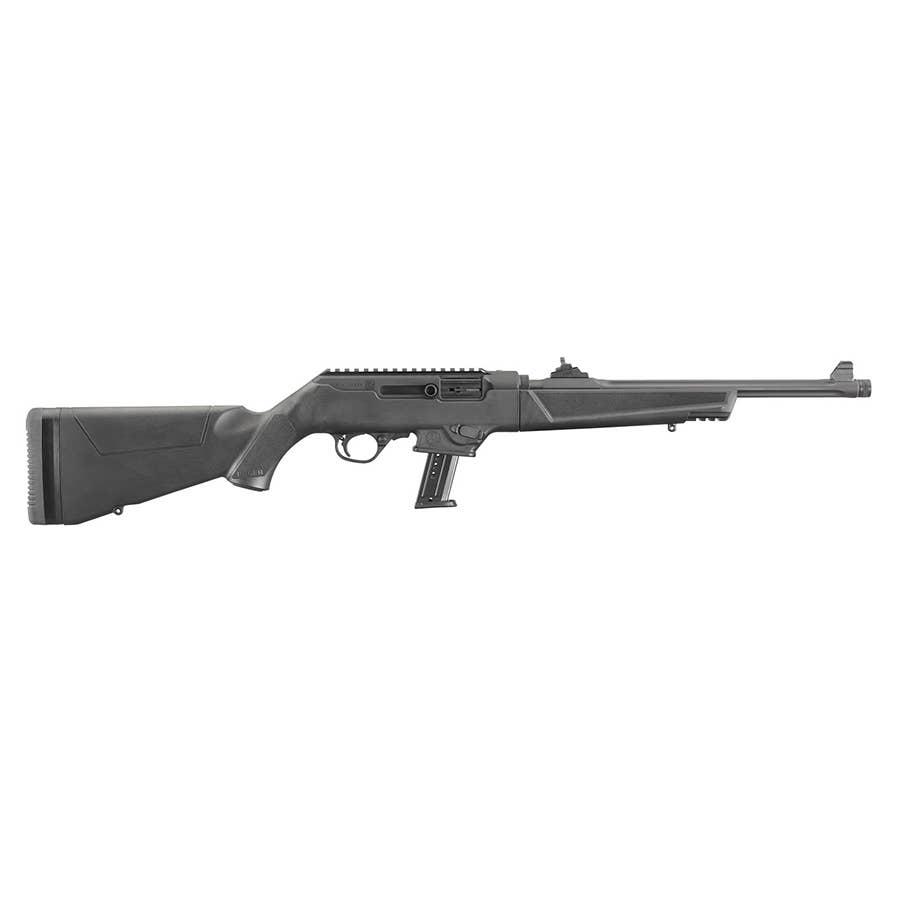
Even the humble shotgun might be a better option. A semi-auto shotgun with a fixed tubular magazine is rarely banned. If you are stuck with a manually operated weapon, the pump shotgun is generally faster and more effective for home defense.
Advertisement — Continue Reading Below
The Reality
If I truly wanted a tactical lever gun for home defense, I would choose the Henry Supreme in 5.56. It is faster to reload, offers at least ten rounds, and has very pleasant recoil. That is the “best bang for your buck” in the lever action world.
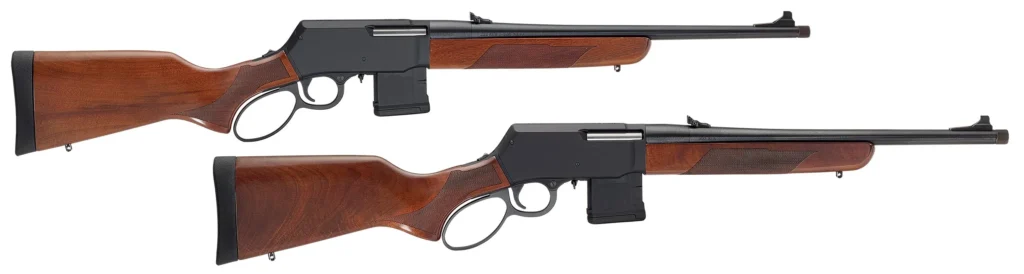
With that said, I think there are better options. Do I own a tactical lever gun? Yes, because it’s fun. Fun is the real reason this category has exploded. ARs and PCCs can be boring; lever guns are anything but.