Constructing survival shelters is one of the most critical skills for staying alive when the environment turns against you. The weather can change quickly, and what begins as a sunny hike can end as a freezing night.
“Hiker Lost in the Wild.” We’ve all seen the headline, and some of us have felt that creeping panic when the trail disappears and orientation slips away. The truth is, the biggest threat isn’t predators—it’s exposure.
Woodland Survival Shelter Building
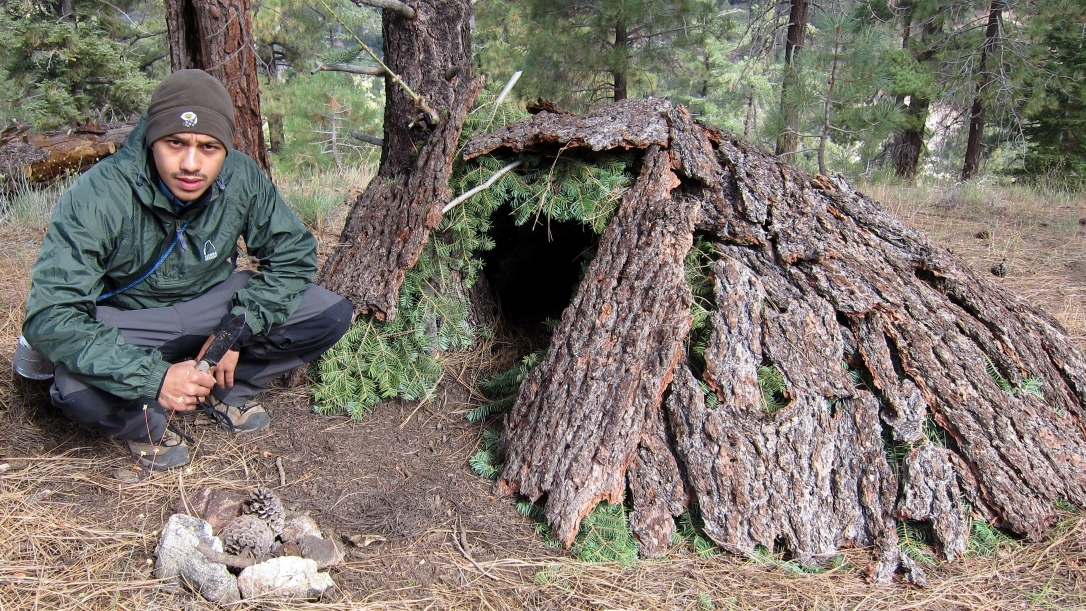
In the forest, a debris hut is the go-to option. It’s simple, but it demands sweat and time. You can do most of the work with bare hands and a small tool like a Swiss Army Knife, although gloves help. Likewise, a saw makes cutting boughs easier, especially when pine needles blanket the forest floor.
Advertisement — Continue Reading Below
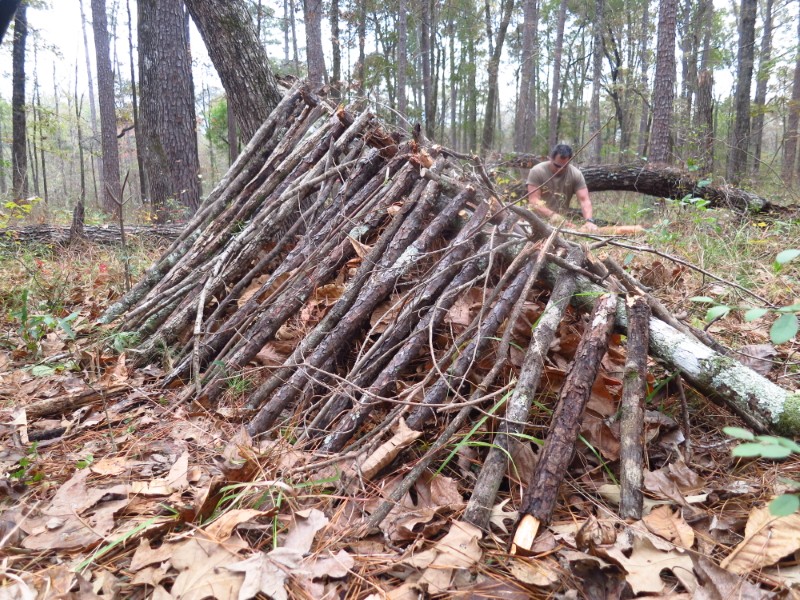
Start with a ridgepole lashed waist-high to a tree, long enough to cover your body plus an arm’s length. Lean dead sticks against it like ribs until the frame resembles a skeleton. Pile on pine needles until the dome is thick and watertight—no exposed wood, or rain will channel inside. Inside, heap a mound of needles for bedding. Skip this step, and you’ll shiver all night.
Close the entrance with insulation—drag in your backpack or pile debris to block the wind. Add bark or branches on top to keep the cover from blowing away. Constructing survival shelters in the woods is about patience, layering, and sealing every gap.
Advertisement — Continue Reading Below
Desert Shelter Tactics
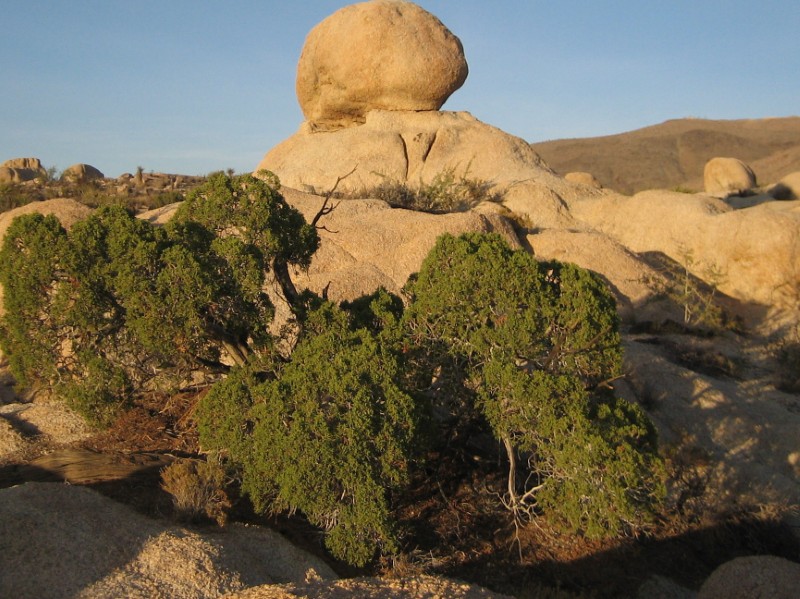
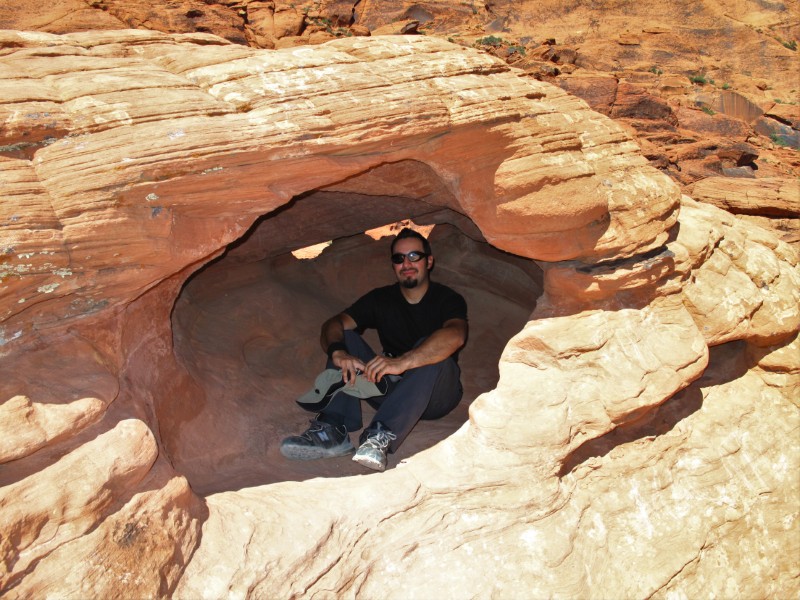
In arid landscapes, shade is survival. The desert sun drains energy and water in hours, so the priority is to get out of direct sunlight. Juniper and cedar groves offer relief, though they won’t keep you dry in the rain. Rock shelters, however, are gold. They shield against sun, wind, and storms, provided you avoid flood-prone drainages.
Advertisement — Continue Reading Below
Look for caves or overhangs tall enough to sit and long enough to stretch out. Reinforce them with a small rock wall to cut the wind and boost security. But warm them slowly with fire—rapid heating can crack stone.
If vegetation is available, build a desert debris hut. Dry grass insulates against brutal ground temperatures, which can soar to 190°F. Juniper bark works as thatching and bedding. Cottonwoods, willows, and aspens near water sources provide poles and cover, but watch for snakes and scorpions hiding in brush. Constructing survival shelters in the desert means balancing shade, airflow, and flood awareness.
Advertisement — Continue Reading Below
Jungle Survival Shelters
The jungle is both generous and unforgiving. Materials are everywhere, but the clock runs fast—darkness drops hard under the canopy, and the ground is alive with ants, snakes, and biting insects. Constructing survival shelters here means building up and off the forest floor. Sleeping elevated is the difference between rest and misery.
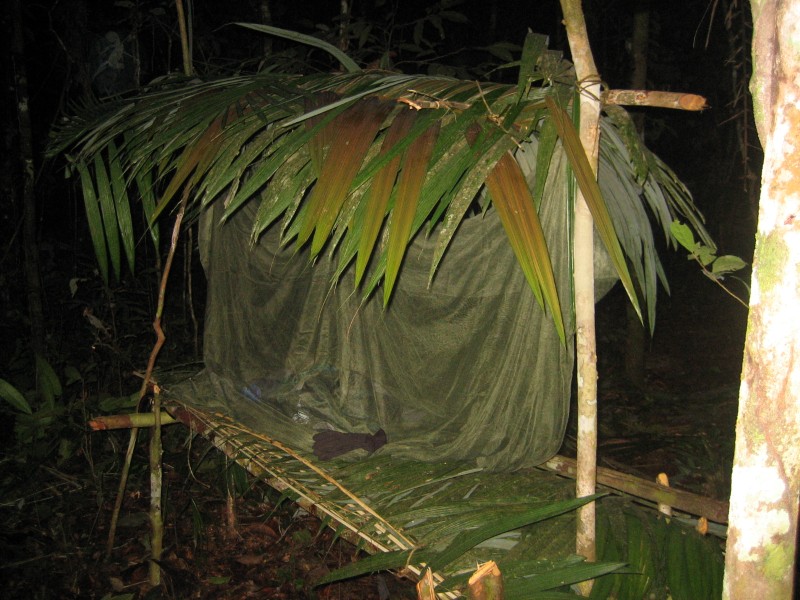
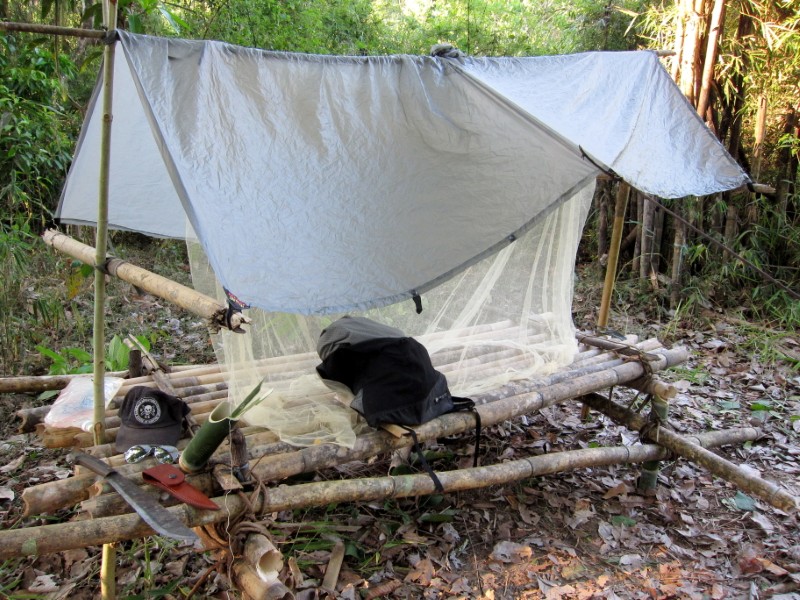
Without a machete, life in the jungle is brutal. With one, you can craft a pole bed, a proven shelter that takes two to six hours to build correctly. Start with four Y-shaped posts planted waist-high, spaced slightly wider than your shoulders. These serve as bedposts. Lay two horizontal poles across them—one at the head, one at the foot. Then cut six wrist-thick saplings, each about six feet long, and lay them parallel across the supports. This framework becomes your bed. Palm fronds or broad leaves make a mattress, insulating you from the damp and crawling life below.
Advertisement — Continue Reading Below
Overhead protection is just as critical. Lash a thin pole above the bed and weave palm fronds into a layered roof. Done right, it sheds rain. A poncho makes waterproofing easier, but fronds alone will work if stacked thick.
The jungle punishes carelessness. Chop into the wrong branch, and hornets or fire ants may pour down. Shake trees before cutting, and always scan above for snakes. I’ve seen shelters abandoned after one careless strike unleashed swarms. Constructing survival shelters in the tropics demands vigilance—every cut, every lash, every choice carries risk.
Build early, build strong, and build smart. In the jungle, shortcuts cost more than time—they cost safety. A well-made shelter is your fortress against the endless crawl of the rainforest.
Advertisement — Continue Reading Below
Constructing Survival Shelters Wrap-Up
Shelter is more than comfort—it’s survival. Exposure kills faster than hunger, and a poorly built shelter wastes precious energy. As survival expert John “Lofty” Wiseman teaches, shortcuts cost more time in the end. Build it right the first time. Whether in a forest, a desert, or a jungle, constructing survival shelters is the skill that keeps you alive when the wild turns hostile.