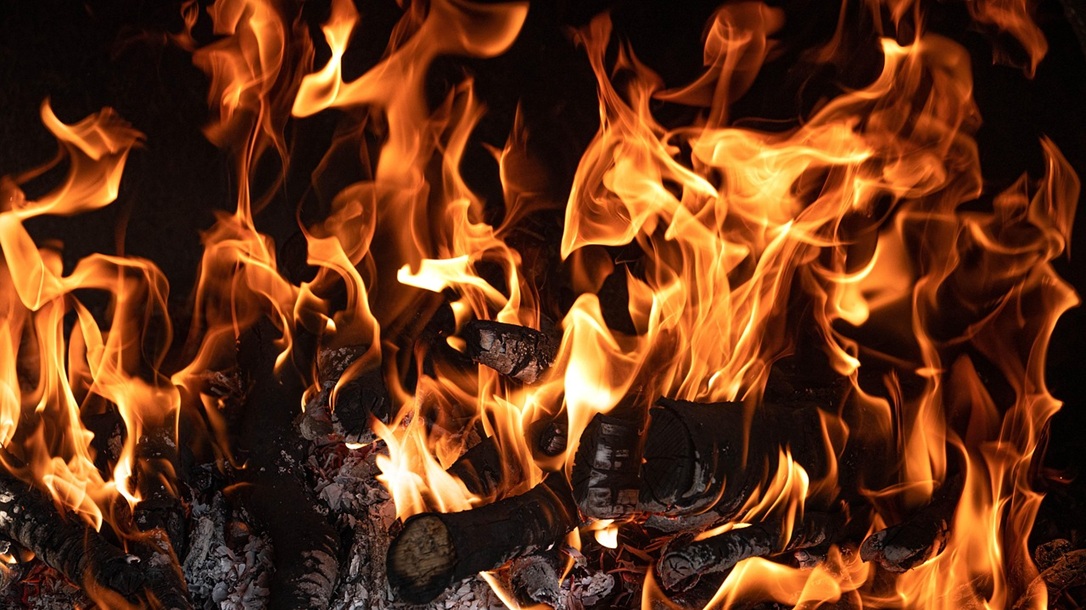
An important element in any good survival kit is a means of lighting a fire. Ideally, at least two different tools or methods of fire ignition should be present. Fire is critically important, as it serves multiple purposes in an emergency, from boiling water to make it safe to drink to keeping you warm, even helping you signal for help.
With that in mind, let’s breeze through several different fire ignition options and discuss their pros and cons.
Survival Fire Ignition
Disposable Lighters
Advertisement — Continue Reading Below
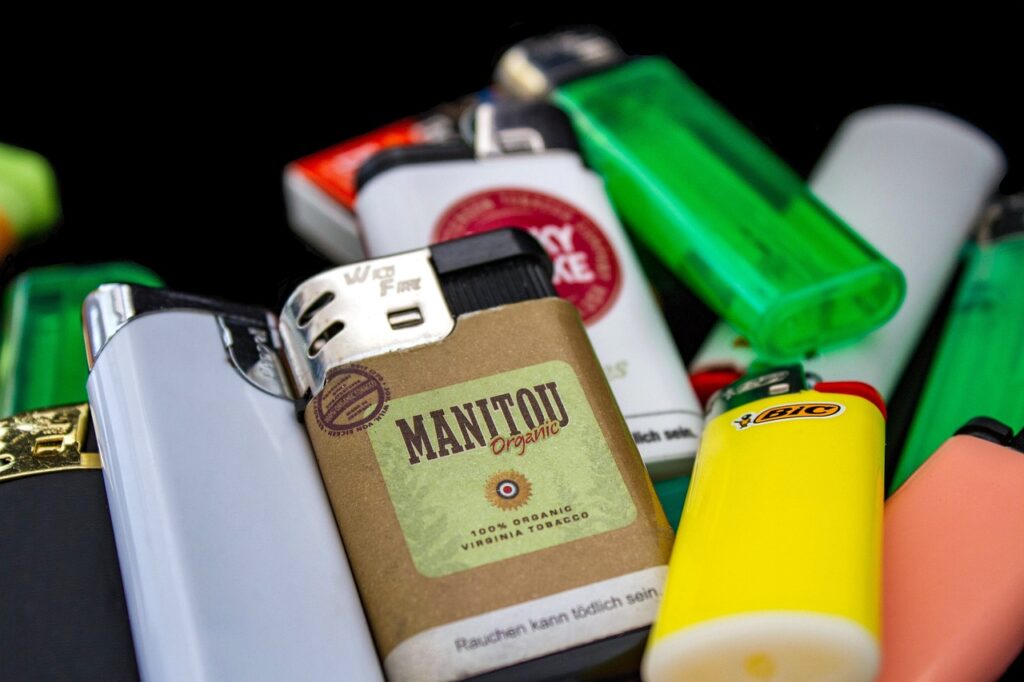
As a rule, there’s nothing better than instant flame when it comes to getting a fire started. For a disposable lighter, it’s hard to beat a Bic. I smoked for a couple of decades before quitting. In my experience, no other brand worked better, and I tried most of ‘em. Disposable lighters aren’t great with severely cold weather, but if you keep one in your pants pocket, close to your skin, that helps a lot.
Pros: Easy to use, relatively inexpensive.
Cons: Easily impacted by weather conditions.
Advertisement — Continue Reading Below
Refillable Lighters
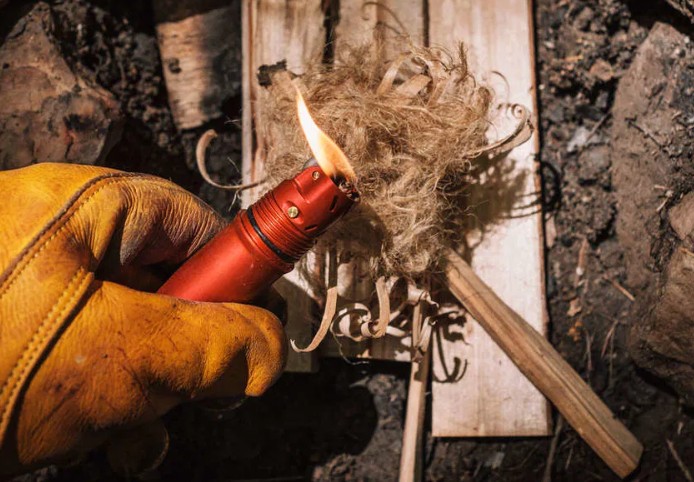
Not all lighters are disposable, of course. Many of them, such as the ubiquitous Zippo brand, are refillable. These lighters tend to be more robust than Bics, as they’re intended for lengthier use. Another advantage is that they can be lit and then left standing, providing a quick illumination option as well as a way to light other things with both hands.
Personally, I lean toward the Exotac titanLIGHT over the classic Zippo. It doesn’t leak and thus lasts longer between refills.
Advertisement — Continue Reading Below
Pros: Instant flame, can be used one-handed.
Cons: Pricier than disposables, might run out of fuel at an inopportune time.
Storm Matches
These come from various brands, but they all work the same. They’re like paper matches on steroids. They’re designed specifically to work in wet and windy conditions. You strike a storm match just like you would a regular one. It burns hot for several seconds, allowing you to light your tinder.
Advertisement — Continue Reading Below
A major downside, though, is that each match is obviously single-use. If you’re not adept at getting a fire lit with just one match, you could burn through your supply quickly, no pun intended.
Pros: Lightweight and easy to pack. Not prohibitively expensive.
Cons: Most require a special strike pad, or they won’t work, so if you lose that, the matches are worthless. Matches are single-use, so you don’t get a lot of lights in a single package.
Advertisement — Continue Reading Below
Ferrocerium Rod
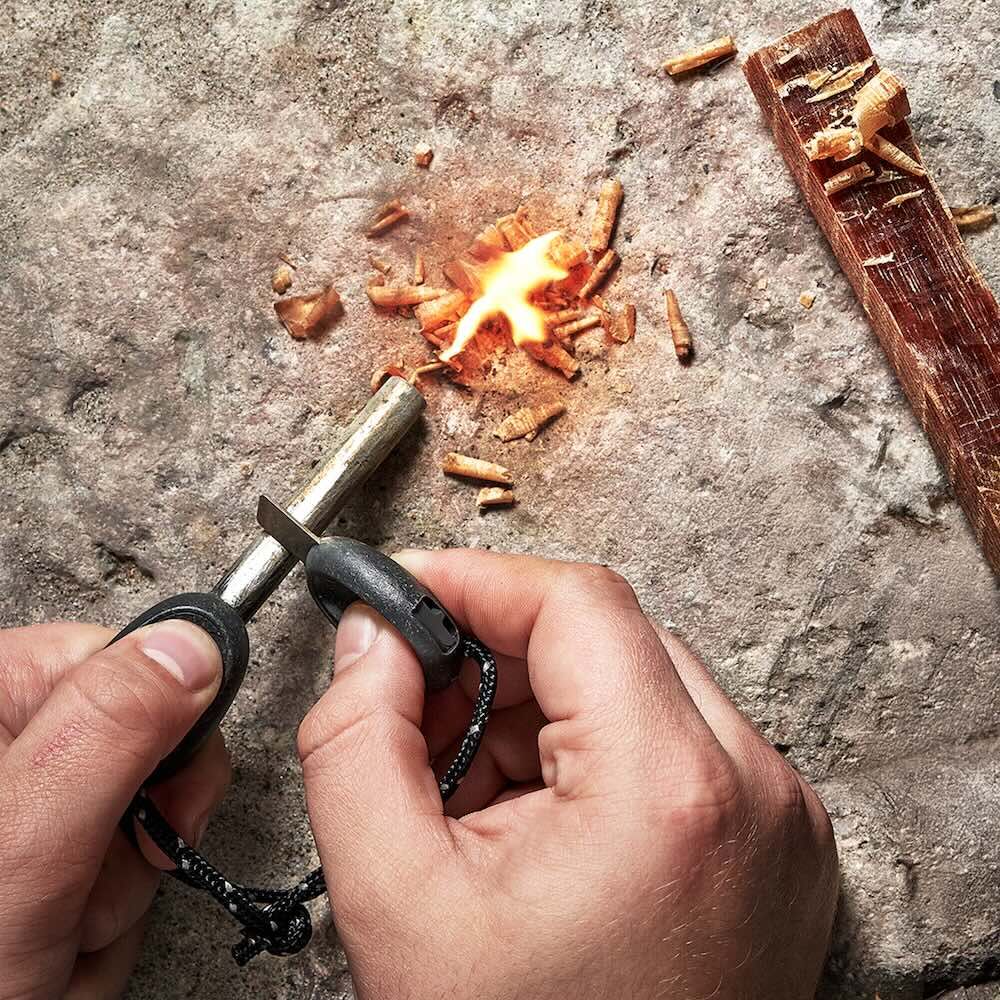
It doesn’t get much simpler than this ignition tool. It’s a rod that you scrape with another implement, creating a shower of sparks that rains down on your tinder. There is a slight learning curve to use it effectively, but practicing is a lot of fun. I use a ferro rod more than any other fire lighting tool.
While they come in a range of lengths, three or four inches at a minimum seems to work best. Most ferro rods are sold with a striker/scraper, but here’s a trick I picked up from noted survival instructor John D. McCann. Buy a carbide sharpener and use that with the ferro rod, as it’ll generate massive showers of sparks.
Advertisement — Continue Reading Below
Pros: Will work in any weather conditions.
Cons: Tinder needs to be particularly easy to light for the ferro rod to be effective. Pricier than disposable lighters.
Flint and Steel
In a way, this is a precursor to the ferrocerium rod. It works the same, but it can be a little more finicky. Essentially, you’re taking a flint rock and striking its sharp edge against a piece of steel. This shaves off tiny bits of metal that ignite into sparks due to the friction. You’ll need really good tinder or charcloth for this to work well, as well as a lot of practice to learn the proper technique.
Advertisement — Continue Reading Below
Pros: Inexpensive, long-lasting, and pretty waterproof.
Cons: The learning curve to master the skill can take a while to overcome.
Plasma Lighter
This is the high-tech, sci-fi version of a lighter. Instead of a flame, the plasma lighter emits one or two arcs of electricity that can be used to light your tinder. This is a tool I don’t generally recommend, for a few reasons.
Advertisement — Continue Reading Below
The plasma arcs tend to be very small, and it can be difficult to light tinder as a result. They also don’t work with all tinder types. Whereas a disposable or refillable lighter will still generate sparks even if it runs out of fuel, if you forget to recharge your plasma lighter, it’s worthless when it runs out of juice.
Pros: Looks very cool and space-age.
Cons: Awkward to use in some situations. If it runs out of power, it’s worthless.
Pull Start Fire
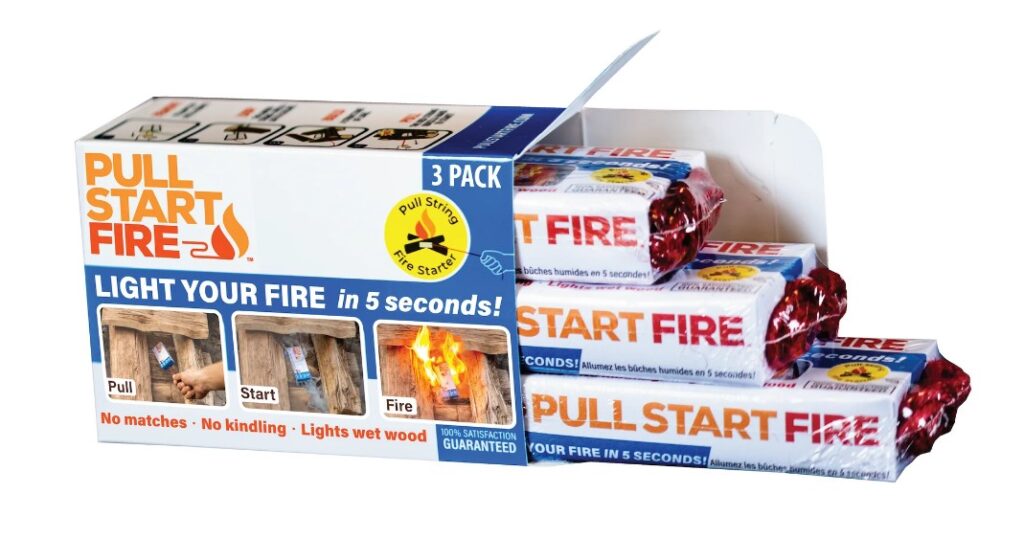
We’ve talked about Pull Start Fire before. It’s a great fire ignition option, but not for regular use. This is what I’d consider to be a last-ditch approach, to be used in emergencies only. It’s single-use, but if you absolutely need a fire lit immediately, it’ll get the job done.
Pros: Waterproof, works without tinder, no other tools necessary to light.
Cons: Bulky, expensive on a per-use basis.
Magnifying Glass
Most of us played with these as kids, using one to concentrate the sun’s rays to burn holes in paper and such. On a sunny day, these can work great to get your fire lit. But, if it’s a cloudy day or after sunset, you’re dead in the water. A Fresnel lens works the same way as a magnifying lens, and they’re easy to slip into your wallet or kit as a backup.
Pros: Can be used for other things, like finding a splinter in your finger. Requires no power or separate tool to operate.
Cons: Needs sunlight to work. Glass lenses are fragile.
Recommendations
You should have at least two different fire ignition options in your survival kit. One approach I like is to keep a Bic lighter or an Exotac titanLIGHT in a pants pocket, along with a ferro rod in my kit. I also try to keep at least one Pull Start Fire box in my pack as an emergency backup. Play around with different ignition tools and identify ones that are easiest for you to use.