
Where I live in southern Wisconsin, as I write this, it’s currently -9°F with a wind chill of -25°F. While I recognize that there are other parts of the world that get far colder, that’s still a bit brisk by any standard. Even areas that typically have a mild winter can experience bouts of extreme cold.
If you have a fireplace or wood stove, that’s a great way to keep you and your family warm if the furnace isn’t working. But those just aren’t feasible options for everyone. If you live in a rental, either a home or apartment, adding a wood stove to the living room probably isn’t going to go over well with property management. So, let’s take a look at some better options.
Practical Options for Staying Warm
Layer Up
Just like when you’re outside during cold weather, you want to wear layers indoors to stay warm. This gives you the ability to adapt to the conditions. If you’re moving around a lot, you’ll need less insulation than if you’re just sitting down reading a book to the kids. Plus, the little pockets of air that occupy the space between layers provide additional insulation to keep you warmer.
Advertisement — Continue Reading Below

Keep your head warm with a knit hat or a hood. Wear thick socks to keep your toes warm. I’ve found that if I can accomplish those two things, everything else seems better.
Indoor Microclimate
We’ve talked about this before. Basically, what you want to do is reduce the amount of space that needs to be kept warm. Get everyone into the same room and insulate the doors and windows as best you can. Depending on the size of the space and the number of people in it, body heat alone will start to raise the temperature.
Advertisement — Continue Reading Below
One great way to accomplish this is to set up a tent in the living room, cover it with a blanket or comforter, and then pile everyone inside. If you don’t have a tent, you could build a blanket fort. My son did this recently for his daughter.
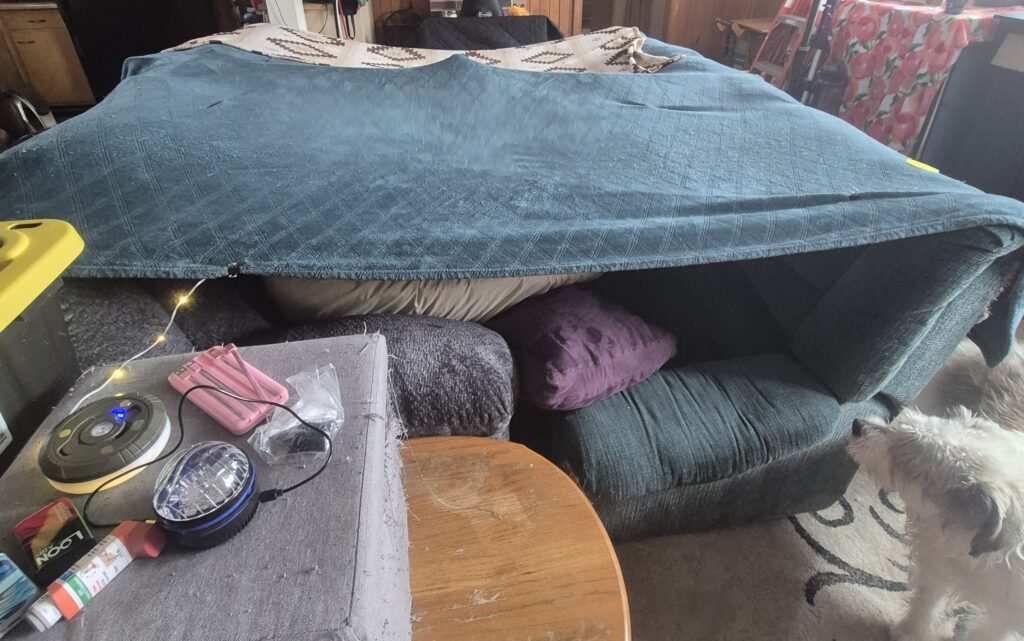
This one was just for fun. If it were intended to retain warmth, thicker blankets would have been used. In this case, he simply pushed two couches together and covered them. The same sort of thing could be built with chairs or a table. Toss down a few pillows or cushions, so you’re not sitting directly on the floor.
Advertisement — Continue Reading Below
Portable Heaters
This can be a tricky one. Many combustion heaters, meaning the ones that aren’t electric and instead rely on kerosene or other fuels, are dangerous indoors because of the risk of carbon monoxide. However, there are several heaters on the market today that are rated safe for indoor use.
Proper ventilation is still important, though. These aren’t great options for very small spaces. And they shouldn’t be used for long periods of time. Be sure you have working smoke detectors as well as a carbon monoxide detector. Keep the heater at least three feet away from everything else in the room. Stock up on plenty of fuel, as the heater is useless without it.
Know Where to Go
There may be times when staying at home just isn’t workable. It’s too cold, or the conditions aren’t safe. Figure out ahead of time where you’ll be able to go to stay warm and how you can get there. Depending on where you live, the village, town, or city may set up emergency shelters. Those aren’t always ideal, but the price can’t be beat.
Advertisement — Continue Reading Below
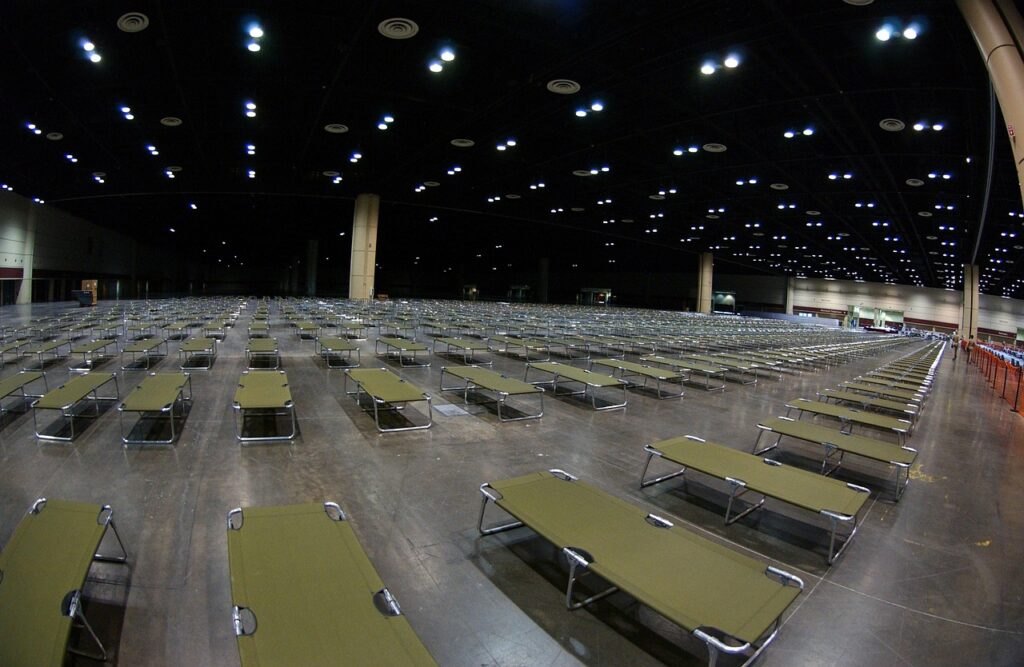
Hunkering down at the home of a friend or family member might be an option. If you have the budget, a motel could also be a great idea.
The most important element here is to plan ahead so you know what you’ll do if the mercury plummets and the furnace won’t be kicking on anytime soon.
Advertisement — Continue Reading Below