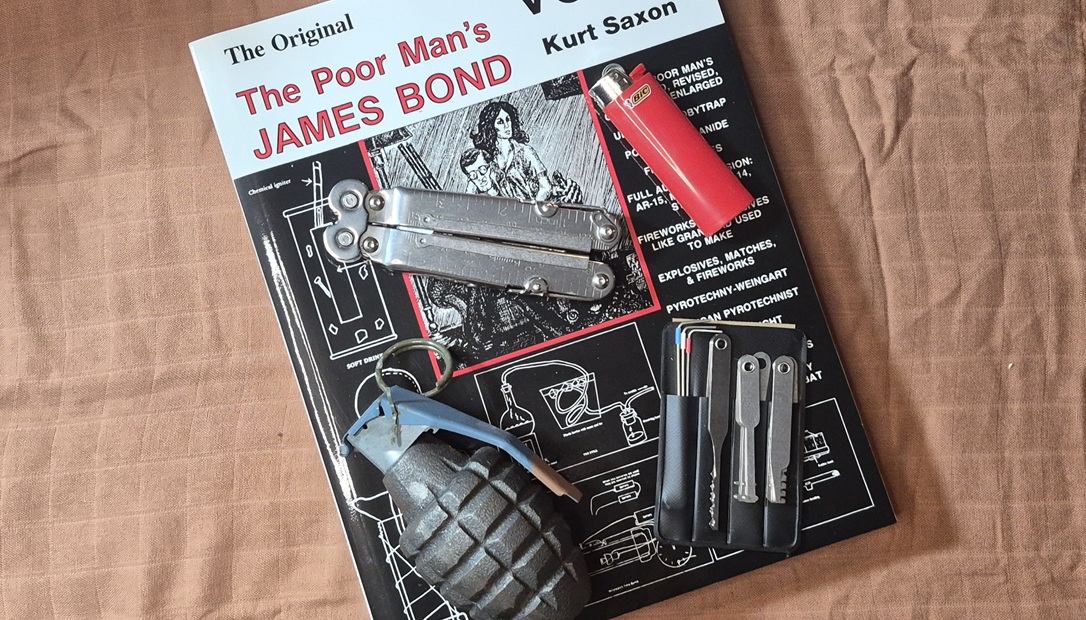
I was in middle school (we called it junior high back then) when I first became interested in booby traps. I’d seen First Blood and thought the traps Rambo set up in the woods were pretty nifty. From there, it wasn’t a big leap to start looking at how to set up similar sorts of arrangements in urban and suburban environments.
Are Booby Traps a Good Idea?
For our 8th-grade science fair project, my buddy Jeff and I did a presentation on pipe bombs and other improvised explosives. It was the 1980s, and we could get away with that sort of thing back then. We even made a mockup pipe bomb for our display.
Being that this was way before Google, all of our research was done via books. I spent a good chunk of my savings on some books from Paladin Press. I remember one of them was Improvised Explosives: How to Make Your Own by Seymour Lecker. It was in that volume that I learned you could detonate black powder with electricity. This led to a fun experiment involving a neighbor’s disappearing mailbox and a very loud bang.
Advertisement — Continue Reading Below
As a practical matter, booby traps aren’t a great idea for home defense. Here’s why.
Booby Traps are Indiscriminate
Let’s say you set up a trap that has a shotgun rigged to fire when a door is opened. A trap is operated by physics, not intelligence. The shotgun has zero care as to whether the person opening the door is an assailant, a burglar, your spouse, your grandchild, or an EMT responding to a 911 call.
Advertisement — Continue Reading Below
While you might be certain you’ll always remember the location of each and every trap you set, what happens if you make a mistake? You’re under duress, stressed about what’s happening, and you zig instead of zag?
Getting nailed by your own trap is a dumb way to die, my friends.
Booby Traps Are Illegal
While this might not be much of a concern after some sort of major societal collapse, it for damn sure is a consideration in the here and now. Bear in mind that just because you don’t agree with a law doesn’t absolve you from any duty to follow the law.
Advertisement — Continue Reading Below
One of the more well-known cases involving booby traps is Katko v. Briney from 1971. Briney owned an old farmhouse that had stood vacant for quite some time. It was burglarized several times, and he got tired of it. So, he rigged a shotgun in one of the bedrooms so that it would fire when the door was opened, not unlike our example earlier.
A guy named Katko broke into the house, opened that bedroom door, and suddenly found himself on the floor, leaking from several holes in his body that hadn’t been there when he woke up that morning.
Katko sued Briney and won, with a judgment of about $20,000 in actual damages and $10,000 in punitive damages. Adjusted for inflation, that’s about $241,000 today. And that’s on top of the legal fees Briney incurred, having to hire a lawyer to defend himself.
Advertisement — Continue Reading Below
What About Alarms?
It’s important to distinguish between booby traps that cause injury and ones that do nothing more than raise an alarm. The former will likely land you in a heap of trouble. The latter could give you a leg up in a bad situation.
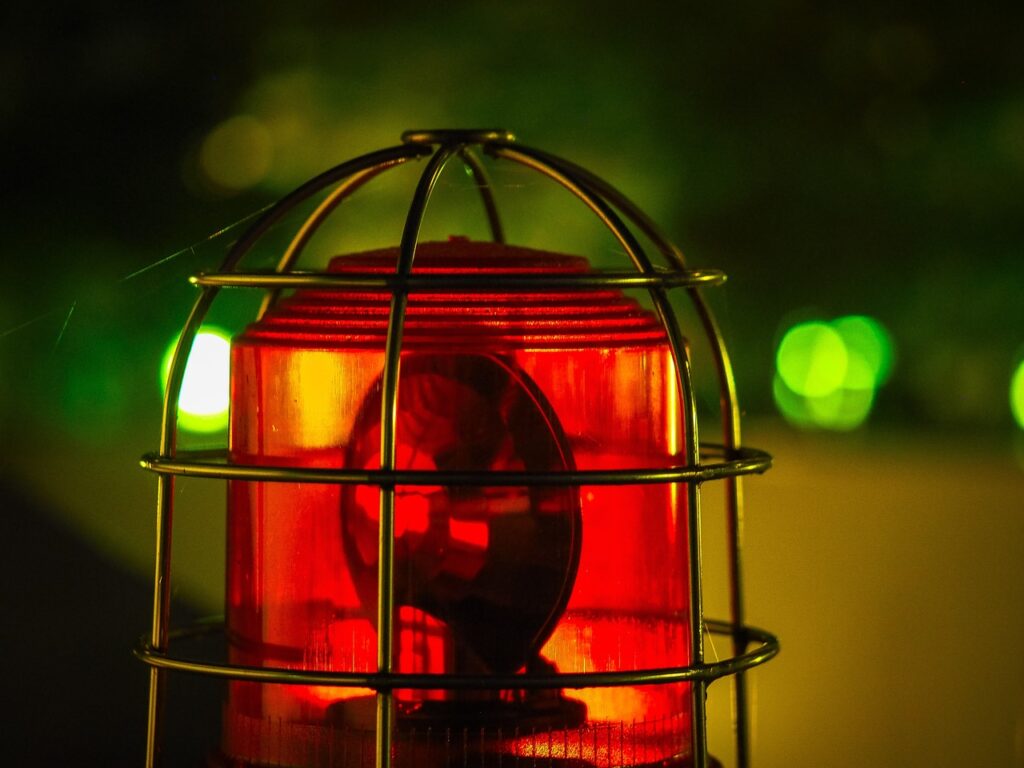
This is where adaptation comes into play. There are many homemade triggers for booby traps that can be used to sound an alarm rather than cause an explosion. For example, a clothespin, the type with the spring, can be a trigger. Run wires from the jaws to a power source and a light or other type of alarm.
Advertisement — Continue Reading Below
Secure the clothespin in such a way that it can’t move, such as tacked to a post or tree. Place a small scrap of wood between the jaws, preventing them from touching. Attach a trip line to the piece of wood. When someone trips the line, it will pull the wood from the clothespin, allowing the wires to touch and complete the circuit.
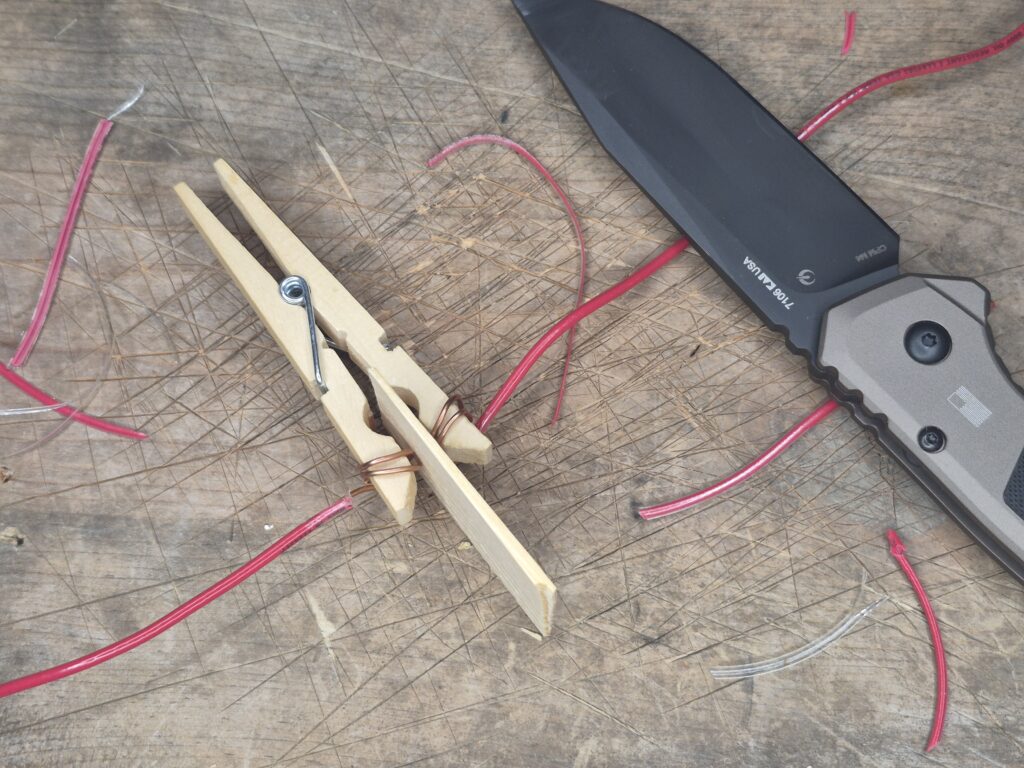
Once you start digging into this stuff, you’ll find numerous triggers you can adapt for alarms and whatnot. Just be careful and use common sense to avoid undue risks.
Advertisement — Continue Reading Below