Every day, it seems more and more people are jumping on the prepping bandwagon. As a result, one of the most common questions I see posted on prepper-centric social media is some variation of, “How do I get started?”
The thing is, every family and household is different. Their situations vary based on location, budget, family composition, and likely threats, among other factors. That said, there are some things that will be handy in almost any crisis and that are achievable by a wide range of people.
Prepping for Beginners
Freeze Water Bottles

Advertisement — Continue Reading Below
Preppers love multi-purpose solutions and strategies, and this one definitely qualifies. As you use juice or soda bottles, wash them and rinse them out. Fill them with clean water, but leave a couple of inches of head space. Toss the filled bottles into your freezer. This simple prepping step does several things for you.
1) In an emergency that cuts off your normal source of potable water, you can pull bottles out to thaw and then drink. As a bonus, this method of storing water doesn’t take up any extra storage space around the house.
2) If the power goes out, the frozen bottles will help keep the other freezer contents colder longer.
Advertisement — Continue Reading Below
3) A full freezer runs more efficiently than one that’s filled with a lot of empty space.
Food for a Week
Being able to feed their family during a crisis is probably the single most motivating factor for many who are just starting out with prepping. Water is important, sure, but it’s the fear of rumbling tummies that gets people to actually move forward.
Advertisement — Continue Reading Below
Food is expensive, and specially packaged and produced survival food is even dearer. But you don’t have to break the budget to keep bellies full. Look for shelf-stable foods that your family already eats regularly, and that don’t cost an arm and a leg. Some good options include:
- Canned goods
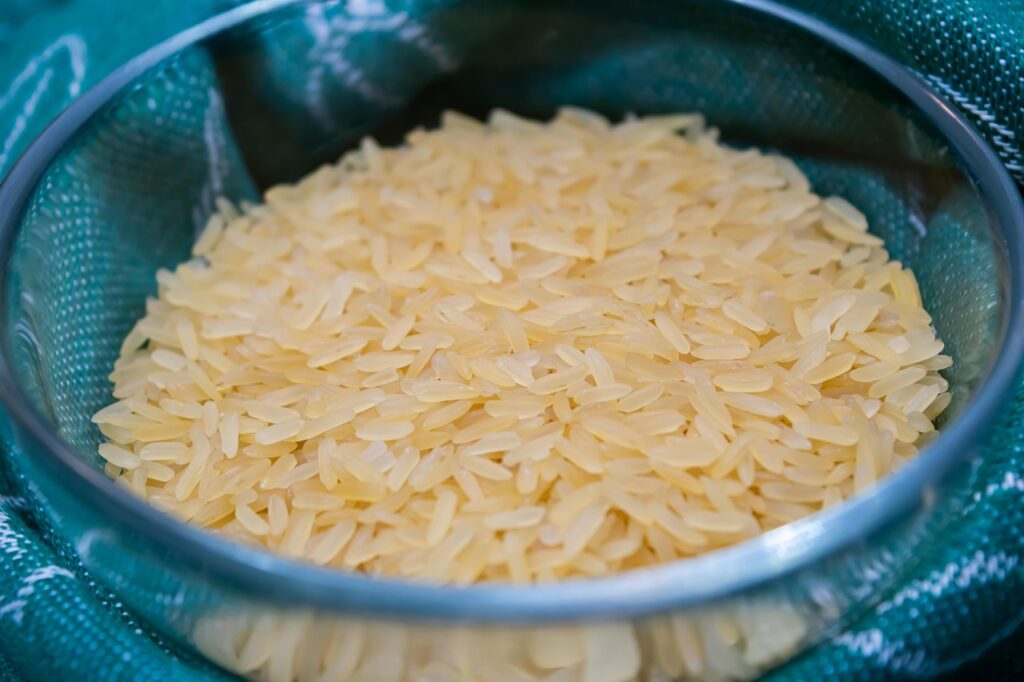
- Rice
- Dry pasta with jarred sauce
- Pouch meats
For a short-term emergency, the goal is simply to prevent missed meal cramps, not lay out a nine-course feast. Come up with a simple meal plan for seven days – breakfast, lunch, dinner, and snacks. Write it out and fill in the slots with what you have on hand.
If you don’t have enough food in the home for seven days, make that your primary objective. Pick up a little bit here and there, building up the supply over time.
Advertisement — Continue Reading Below
Emergency Cash
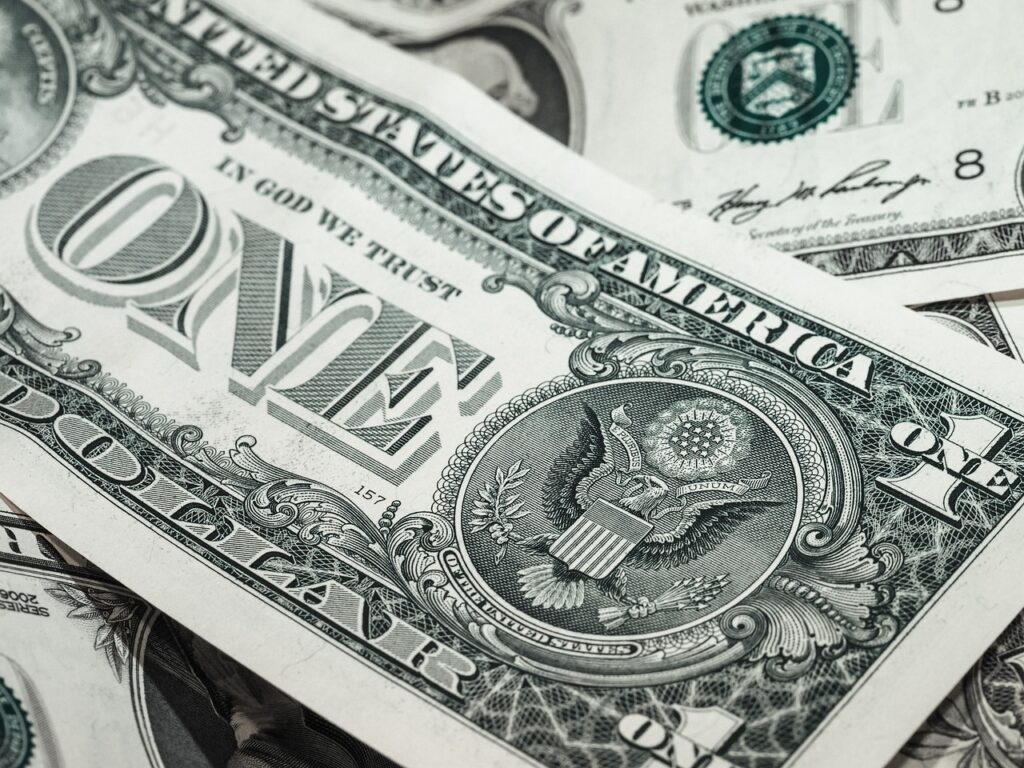
This one is probably going to be the hardest for most people, but it is very important. In many disasters, any stores that manage to remain operational won’t be accepting credit or debit cards. This is due to power outages as well as issues with their computer systems getting online.
As a result, if there’s anything you need, from fuel to food to toilet paper, you’ll have to plunk down cold, hard cash. While the goal is to have everything you need and not have to buy anything at the last minute, we’re only human, and there’s always the possibility that we’re going to overlook something.
Advertisement — Continue Reading Below
My recommendation for an emergency cash stash is to have enough immediately accessible to afford:
- One full tank of gas
- One night in a decent motel
- Meals on the road for a day or two
You might not need to evacuate, but that same amount of cash will afford you plenty of supplies if you’re hunkering down at home.
Advertisement — Continue Reading Below