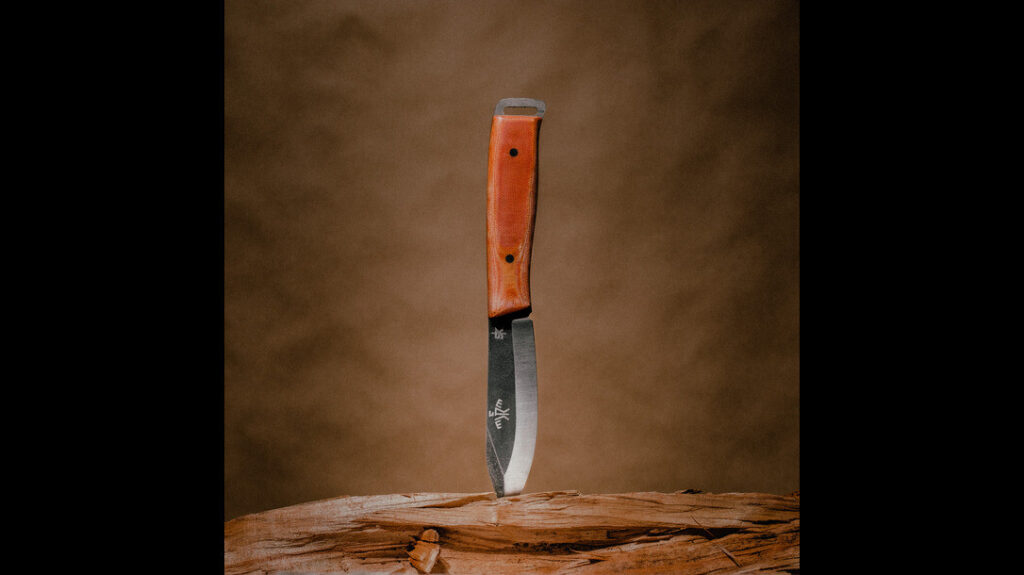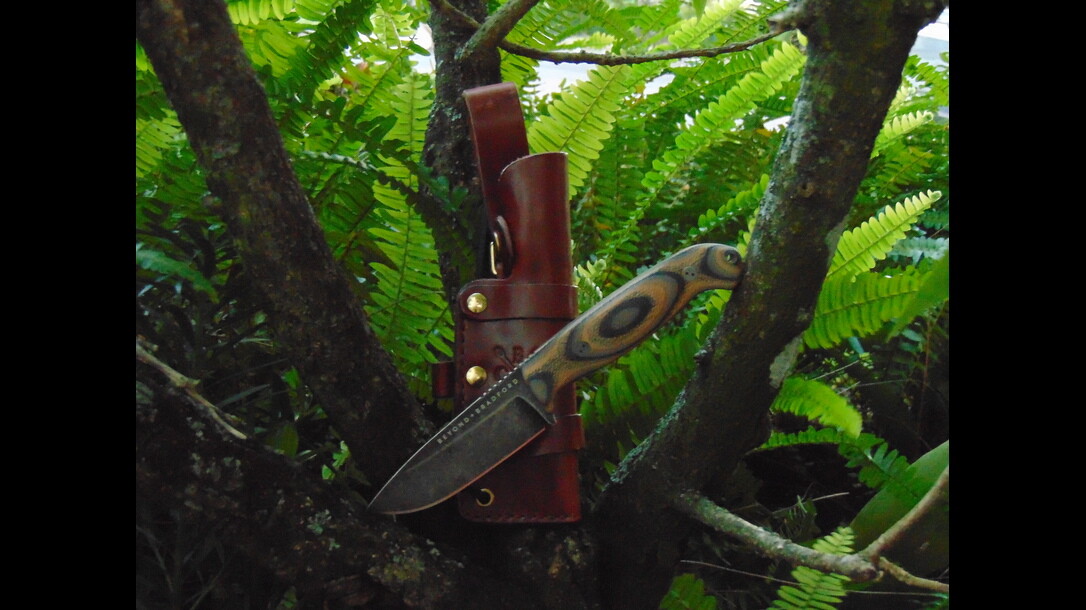
If you’re unprepared, virtually any style of knife can become your go-to, emergency knife. However, if you have time to plan for an unexpected crisis, then you should definitely choose a knife that is survival-centric. This includes it having key traits that will aid you when the you-know-what hits the fan.
All aspects must be carefully considered when choosing such an important knife. The following points will get you well on your way.
Is Your Knife Survival Ready?
Metal with Excellent Mettle
This is a very tough category to find an absolute go-to steel for your survival knife. When choosing steel for any knife, there are always give-and-takes, and this is no different.
Advertisement — Continue Reading Below
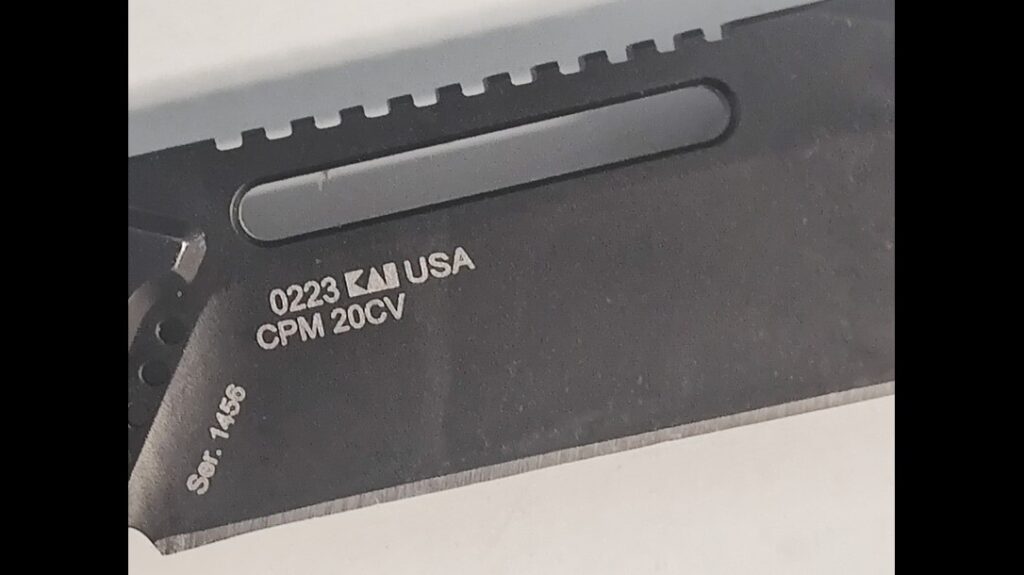
1095 and 52100 steel are both tough and easy-to-sharpen, two necessary traits, but they are prone to rusting and must be cleaned and dried thoroughly. CPM 3V/4V is durable but can be costly to purchase. Stainless steels, such as MagnaCut and Crucible S35VN/S45VN, offer excellent corrosion resistance but may sacrifice toughness in the field.
The key is to find the best balance that offers the most advantages with the least number of negatives.
Advertisement — Continue Reading Below
Going Full Tang
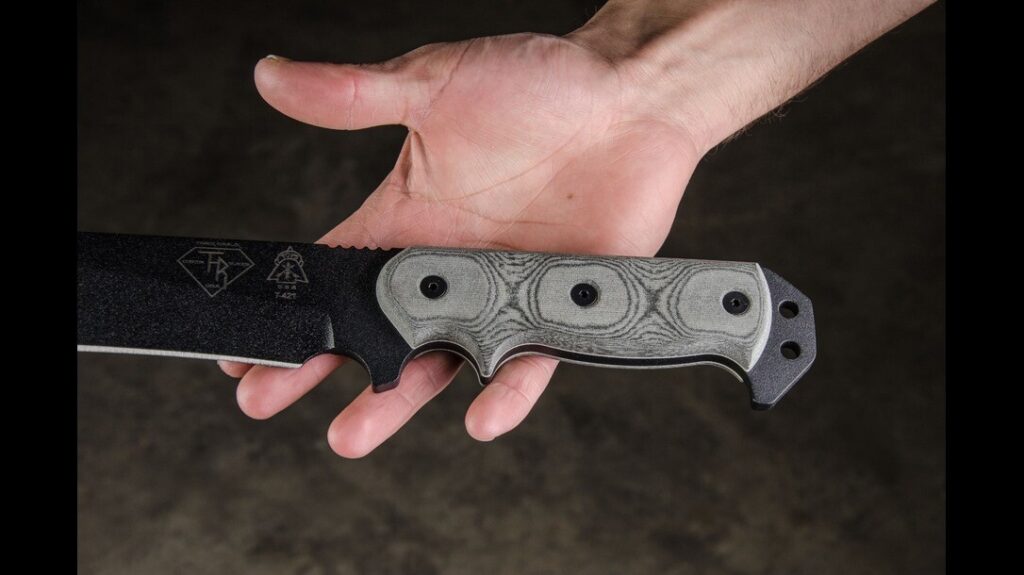
As most people know, a knife’s tang is the part of the blade that extends into the handle. With that being said, full tang, naturally, is when the blade runs the entire length of the knife. With a full tang, a knife is at its strongest in design, and the odds of it breaking are relatively low.
Full tang is also important if your knife’s handle material fails under intense conditions. You can then either wrap it in cordage or use it handleless, and it will still be functional in the field. Do not choose partial tang or hidden tang (stick tang) knives, even if they meet every other survival requirement. Once your handle breaks, your emergency situation will go from bad to worse.
Advertisement — Continue Reading Below
Ditching the Folders
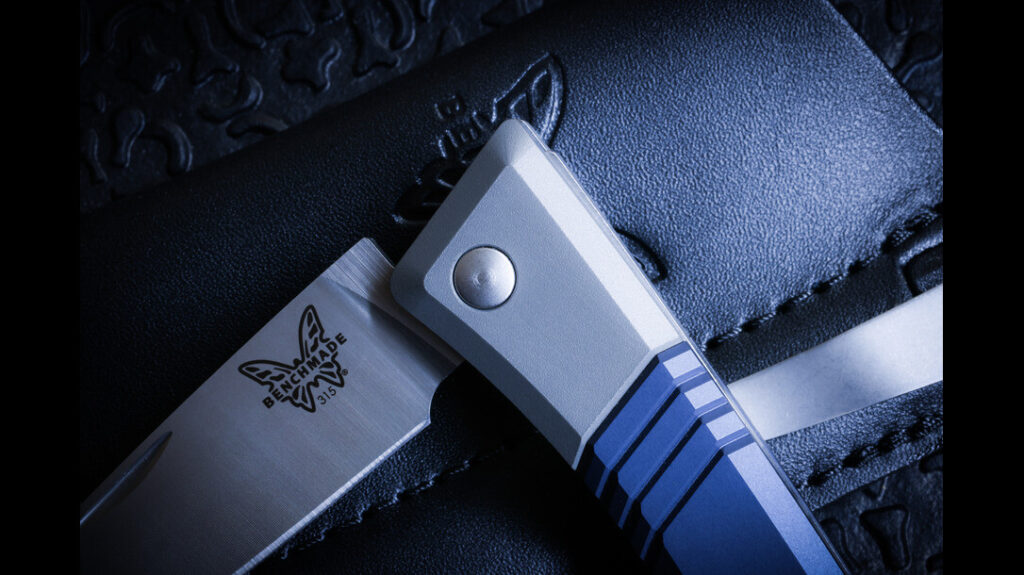
Reject the claim that manufacturers build some folders with high-quality materials capable of withstanding outdoor conditions. When your life is on the line in some instances, trusting a folder to perform could be disastrous. The primary reason for this is structural failure. The hinge design and deployment/closure mechanism are prone to breaking and sticking, posing a safety issue for you.
Advertisement — Continue Reading Below
Too many moving parts create too many possible problems. Add to this that putting a folder into action is much slower than simply pulling a fixed blade knife out of its sheath. Seconds can count when under survival conditions. The one advantage of a folder being more compact during your travels doesn’t negate its numerous disadvantages.
Advertisement — Continue Reading Below
Size Truly Matters Here
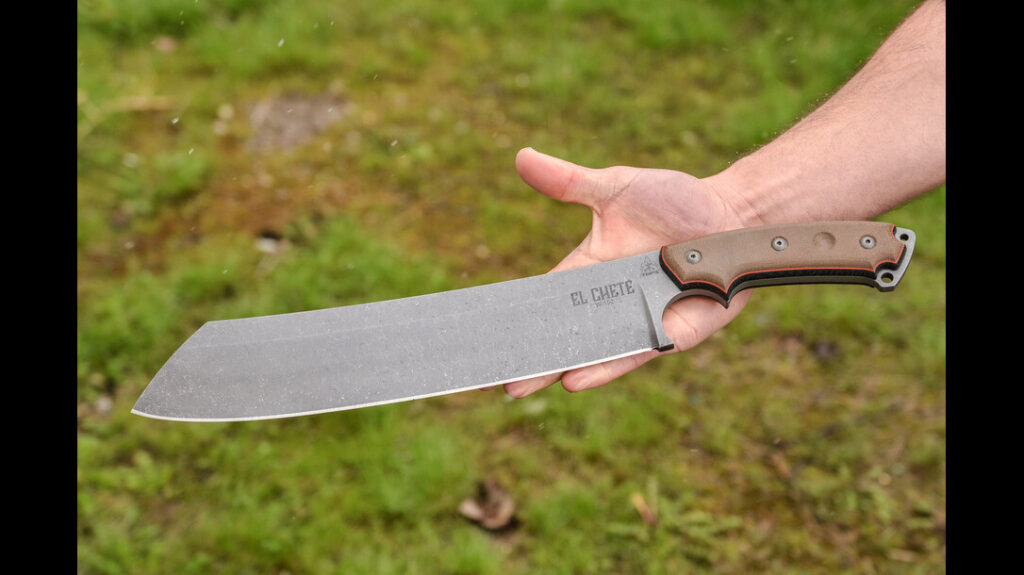
While many people may guess that bigger is better when it comes to a survival knife, this isn’t true at all. There is a sweet spot for blade length, typically between four and six inches. You want a blade that can perform both large tasks and smaller, detailed work without sacrificing one or the other.
Too big and it will become cumbersome, too small and it won’t accomplish your all-around needs. Factors to consider when finding your optimal blade length include your hand size, your environment, and your common uses for your knife. Now, a large blade does add weight to your carry, but honestly, it’s negligible and shouldn’t be a main concern.
Advertisement — Continue Reading Below
Handle for All Conditions
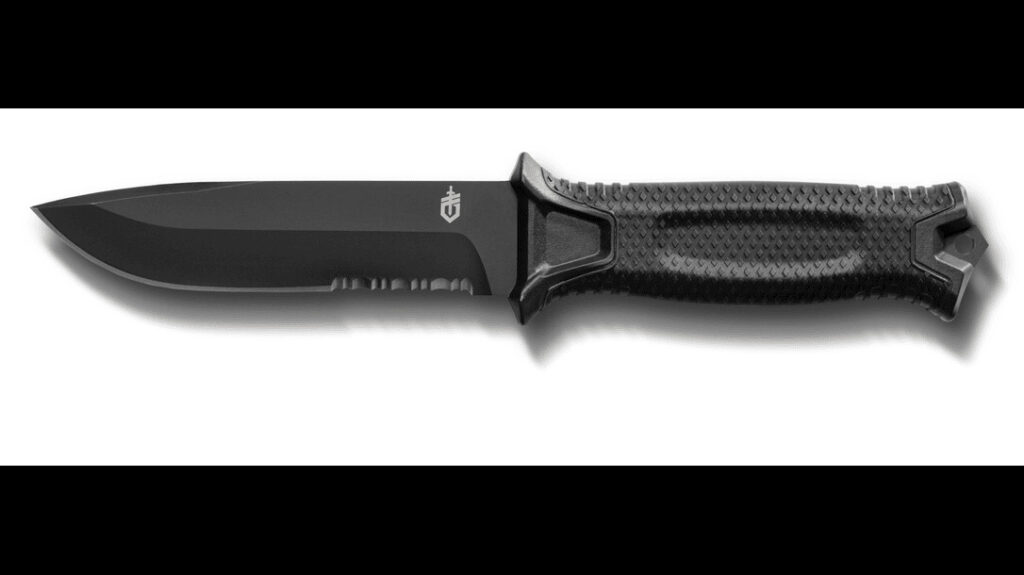
Don’t forget about the handle when choosing a purely survival knife. Some handles are detrimental, while others make handling the knife both easy and secure. Your knife’s handle should be able to help you maintain a secure grip under wet, cold, or muddy conditions.
Consider materials like G-10, Micarta, or hard rubber. Conversely, stainless steel handles can become slippery, wood can rot or crack under regular outdoor use, and plastic handles, even if they appear solid at first, may break under intense use. It should be a given that hollow-handle knives are virtually worthless and almost assuredly will break early upon use.
Advertisement — Continue Reading Below
Honorable Mentions
Although these tips fall into minor categories when choosing a survival knife, you shouldn’t overlook them. First, ditch any models that offer a “sawback” feature. These really don’t work well for sawing and often interfere when trying to strike a ferrocerium rod when making a fire.
Advertisement — Continue Reading Below
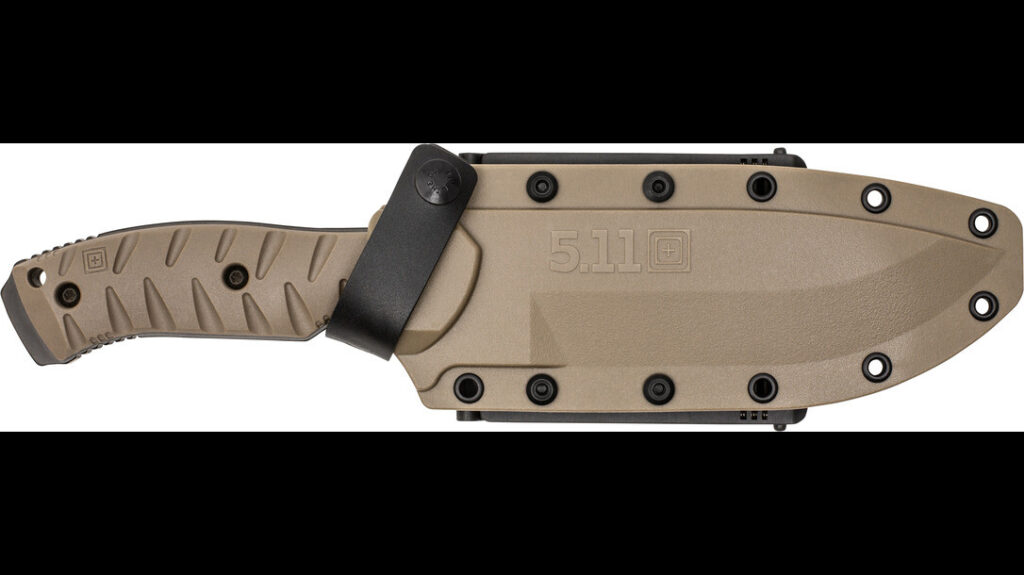
Second, don’t skimp on the sheath. A high-quality knife paired with a poorly constructed sheath is not a combination you want. Opt for a secure and weather-resistant model made from Kydex. Leather lasts a long time, but you must care for it to maintain its quality. Nylon material is a mixed bag. Quality can range from well-made to incredibly bad, so do your homework to make the best choice for you.
Not Every Knife Should be Deemed “For Survival”
Having a knife when things go bad is definitely better than having no knife. But if you have time to prepare for an unexpected emergency, then you need to take the time and make an educated choice. On the surface, a knife is a simple tool, but as you have learned, there are many layers to a well-performing survival knife. Your decision today can literally save your life tomorrow.