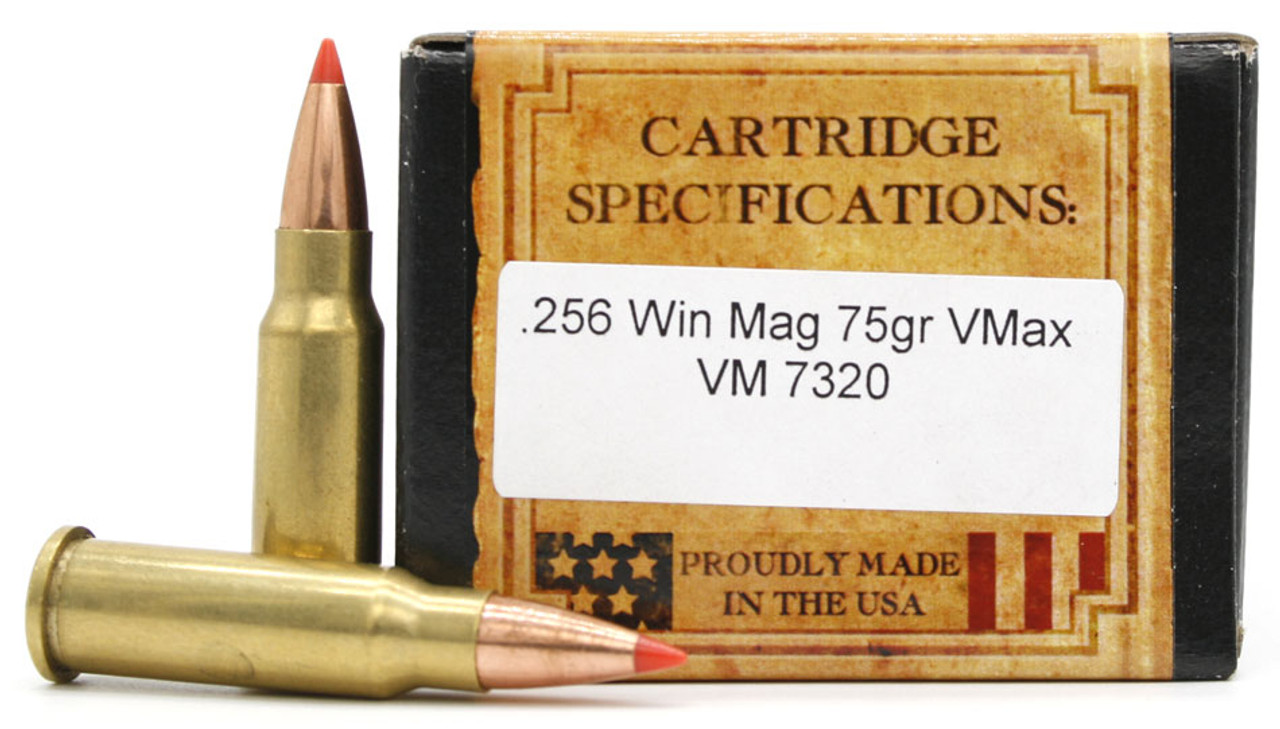
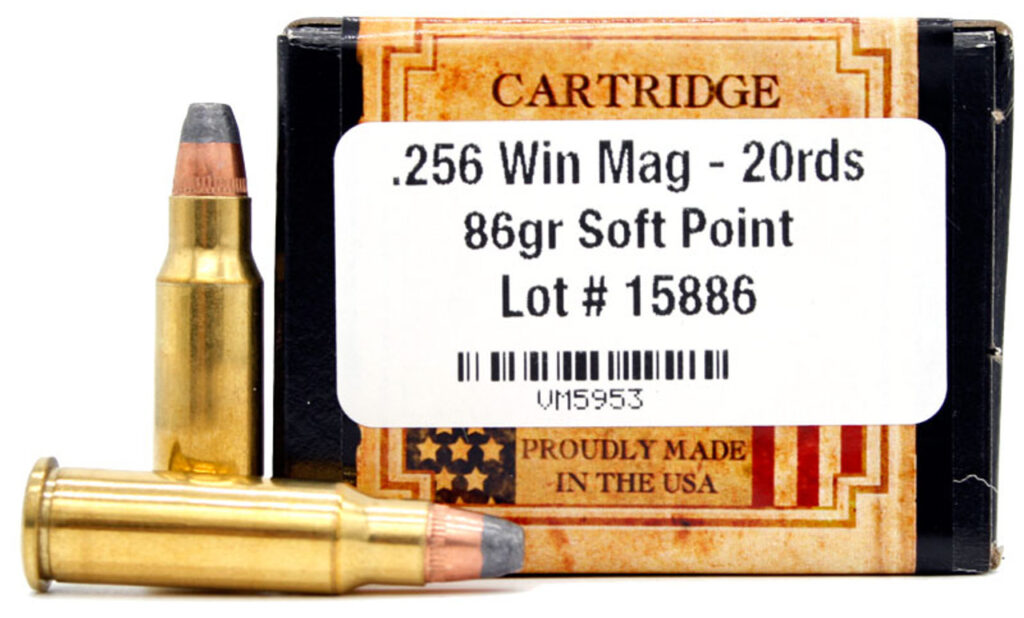
I love a good obscure caliber, and the magnum craze of the 1960s produced some serious contenders. The magnum craze wasn’t just wrist-breakers or shoulder-thumpers. Sometimes it involved moderately powered small-game cartridges. One of those neat little varmint rounds was the .256 Winchester Magnum.
The .256 Winchester Magnum In-Depth
Development started in the 1950s, but full-scale production and introduction didn’t occur until the 1960s. The cartridge traces its lineage to two very different cartridges. The main goal was to take the old, and fairly quaint, .25-20 Winchester cartridge and modernize it into a higher-powered, longer-range cartridge. The second cartridge that influenced the round was its parent case, the .357 Magnum.
The .357 Magnum case was necked down to accept a .25-caliber projectile but retained the case capacity of the .357 Magnum round. This little round became a varmint hunter’s dream cartridge. It packed modern power with a small projectile, which made it easy to take small game at longer ranges and to kill small game without damaging the pelt extensively.
Advertisement — Continue Reading Below
Breaking Down the .256 Winchester Magnum
The .256 Winchester Magnum packed a 60- to 75-grain projectile. Even with the case capacity of the .357 Magnum, we got very mild recoil from handguns and even milder recoil from a rifle. The cartridge had a few options for both.
From an 8.5-inch barrel, it reached impressive velocities of 2,350 feet per second. The Marlin Model 62 Levermatic with a 24-inch barrel allowed the cartridge to reach 2,760 feet per second. There weren’t a ton of other firearms.
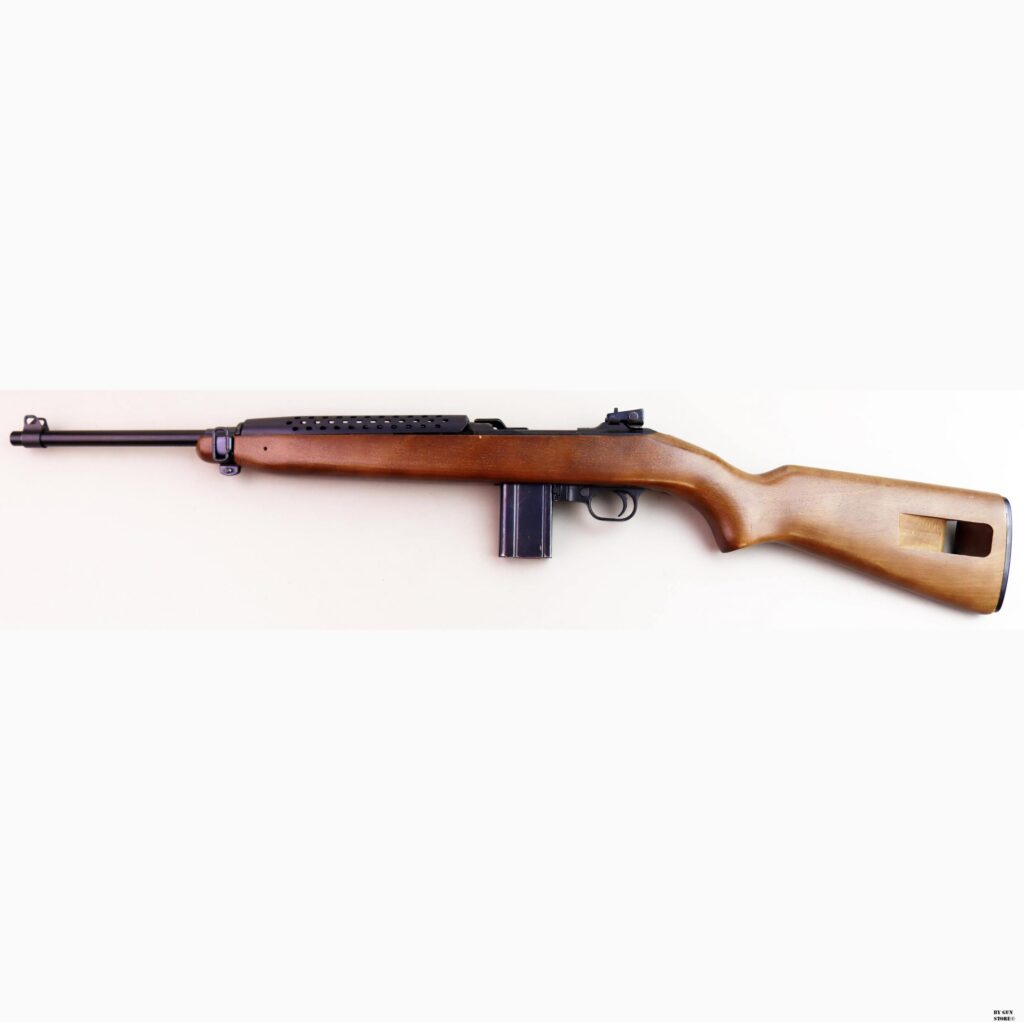
Thompson produced a Contender pistol chambered for the cartridge. The coolest model, to me, was the Universal Firearms M1 Carbine, which was called the M1 Ferret. A semi-auto, super handy carbine firing this uber-fast, light-recoiling cartridge would be an awesome combination.
Advertisement — Continue Reading Below
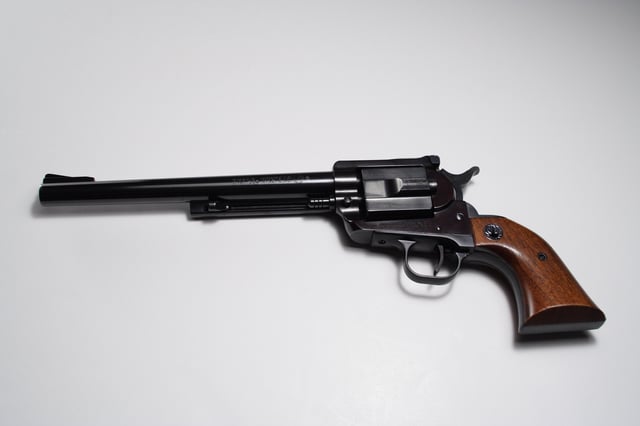
Colt produced a very limited number of Pythons in .256 Winchester Magnum and a series of ‘Bluntline’ long-barreled Colt Single Action Army revolvers. S&W produced a Model K in .256 Winchester Magnum, but seemingly only as a test gun. Reportedly, the cartridge didn’t work well in revolvers; case setback caused cylinder jamming.
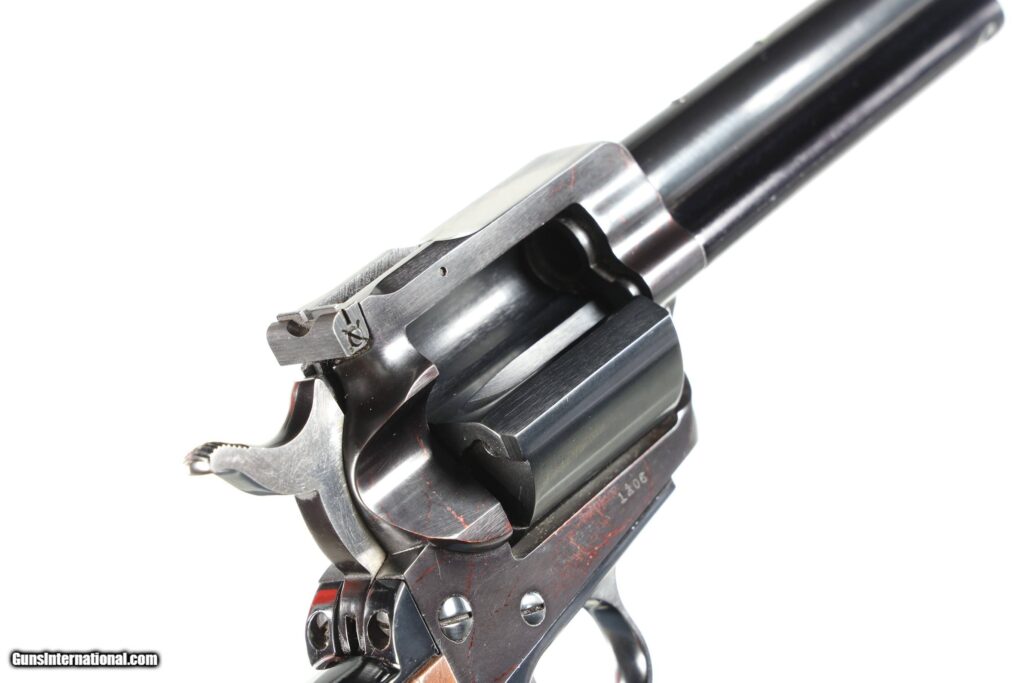
Lastly, one of the guns that premiered with the cartridge was the Ruger Hawkeye—not the rifle. Ruger took one of their Blackhawks and converted it to a single-shot pistol with a swiveling breechblock. This seemed to provide revolver ergonomics without the case setback problem. Only 3,075 of these guns were produced.
Advertisement — Continue Reading Below
Shooting the .256 Winchester Magnum
Where the .256 Winchester Magnum excelled was in flat shooting. Out to 200 yards, the cartridge provided little bullet drop. It’s flat-shooting, which is critical when hunting small game and predators.
With that said, its performance maxed out at about 200 yards. Beyond that, the round lost a lot of energy and entered that inhumane realm for hunting anything larger than a prairie dog. The cartridge promised effectiveness up to wolves, so I could see why limited range was a concern.
Advertisement — Continue Reading Below
Winchester called the cartridge a magnum, but it didn’t quite have magnum performance. It’s a magnum compared to a .25-20, but it’s not a magnum like a .44 Magnum. This certainly didn’t help its popularity.
The Decline of the .256 Winchester Magnum
The .256 Winchester Magnum began its decline fairly quickly. It never became overly popular. Limited firearms didn’t help. Revolvers were extremely rare and didn’t perform well. Single-shot pistols will always be a niche option. The Marlin Model 62 is great, but it was the only lever-action chambering the cartridge and was never an extremely popular option.
Advertisement — Continue Reading Below
I do like the M1 Carbine variant, but that wouldn’t save the .256 Winchester Magnum. The cartridge didn’t provide awesome ballistics and didn’t live up to the Magnum namesake. At this point, intermediate cartridges like the .223 Remington were becoming popular quite quickly, edging out the .256 Winchester Magnum.
The .256 Winchester Magnum didn’t offer much that the .223 Remington couldn’t do. Since it didn’t work well in revolvers, that niche wouldn’t help exceed the round’s popularity. It’s also worth noting that the 1960s were an interesting time for hunting rifles; the market was moving toward semi-autos, and lever guns were being edged out just slightly.
Advertisement — Continue Reading Below
Winchester dropped support for the cartridge in 1990. It’s still kept alive by handloaders, and both .25-caliber bullets and .357 Magnum cases aren’t difficult to acquire. If I can find an M1 Ferret, you can best believe I’ll learn how to neck down cartridges. Until then, this is another oddball that faded into oblivion.