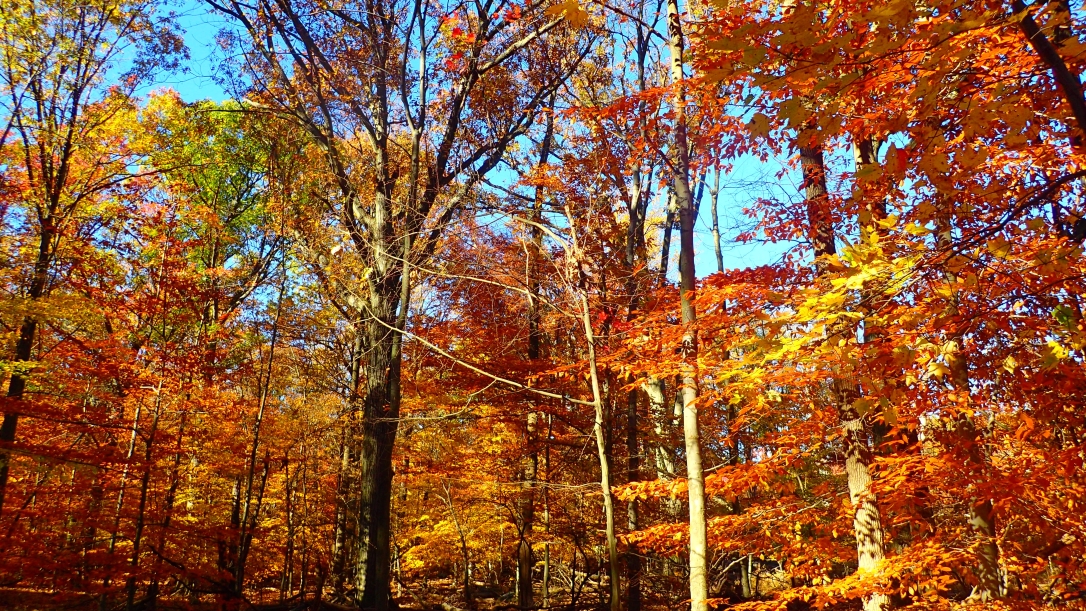
Knowing and identifying basic trees in the Northeast and Eastern Woodlands pays off fast in any wild stretch you roam. Tree identification helps you read the land, choose the right wood, and stay ahead of trouble. Once you know what to look for, the forest stops feeling random and starts feeling like a stocked supply shed.
Identifying the Trees Around You
BTUs in Trees
Wood burns best when seasoned. Look for small cracks on the ends. Those cracks signal low moisture. Knock two pieces together and listen. Dry wood rings with a sharp clink. Green wood thuds like a wet boot. Tree identification helps you spot species that season faster and burn cleaner.
Advertisement — Continue Reading Below
A BTU measures heat output. One BTU raises a pound of water by one degree Fahrenheit. Firewood ratings run in the millions, but we treat them like simple double‑digit numbers. Higher numbers mean hotter burns and deeper coal beds. That heat matters when you want a fire that works through the night instead of a smoky tantrum that dies before midnight.
Softwood
Softwoods shine when you need quick work. They carve easily, bend well, and catch fire fast. Witch‑hazel grows everywhere in the Northeast. Its wavy leaves and straight shoots make it a natural choice for traps, stakes, and camp utensils. The leaves scrub pots when you forget your scouring pad. Tree identification keeps you from wasting time on species that don’t carve or burn well.
Advertisement — Continue Reading Below
Poplar ID
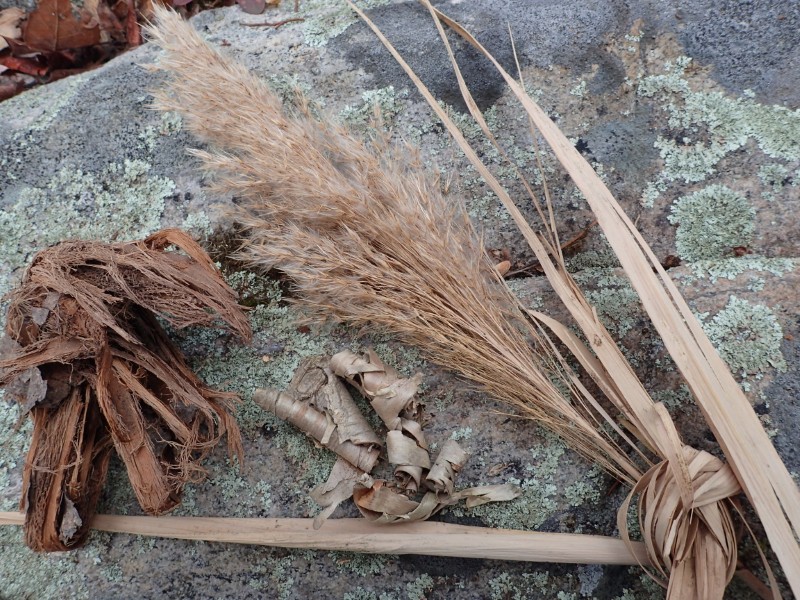
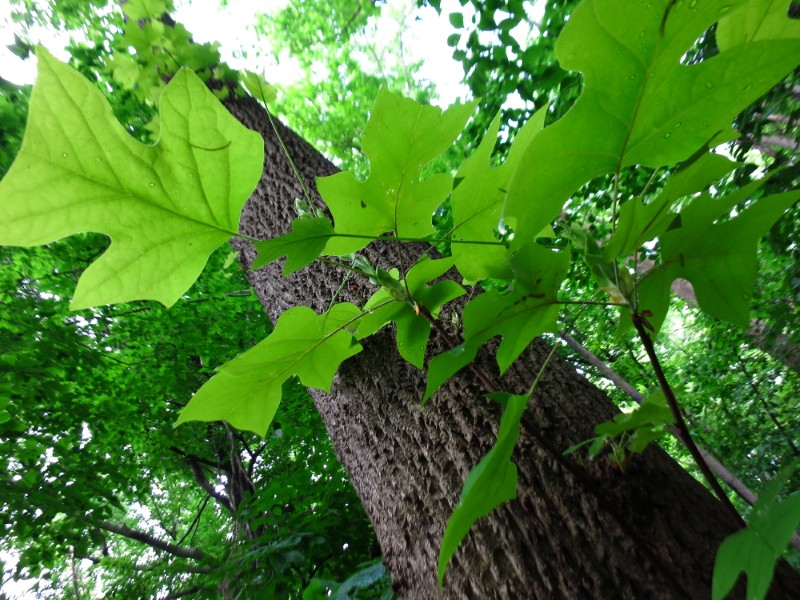
Tulip‑poplar, yellow‑poplar, take your pick—throws big orange flowers in spring and sheds bark like a nervous habit. That bark becomes perfect tinder. Roll it, shred it, fluff it, and you get a bird‑nest bundle that takes a spark with no fuss. Poplar carves well and makes great fuzz sticks, but it burns weakly and smokily. With a BTU rating of around 12.6, it barely earns a spot in your fuel pile.
Hemlock Identification
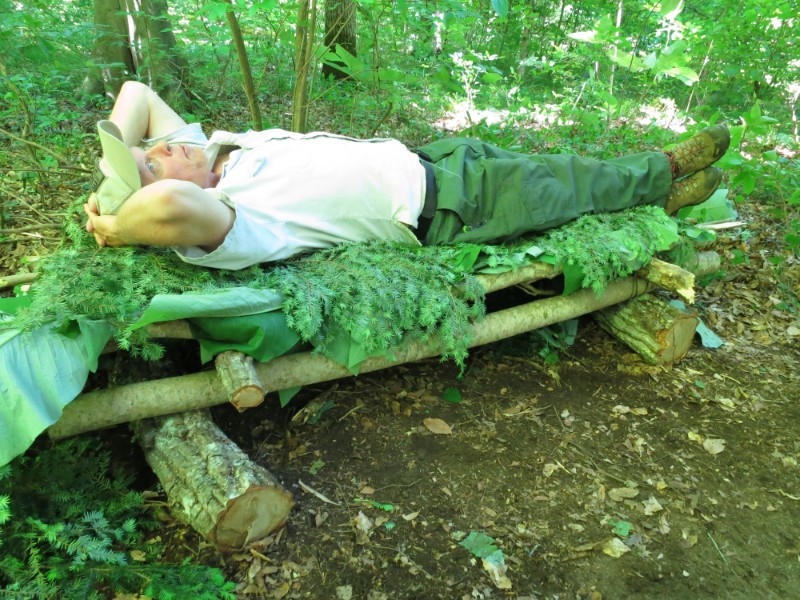
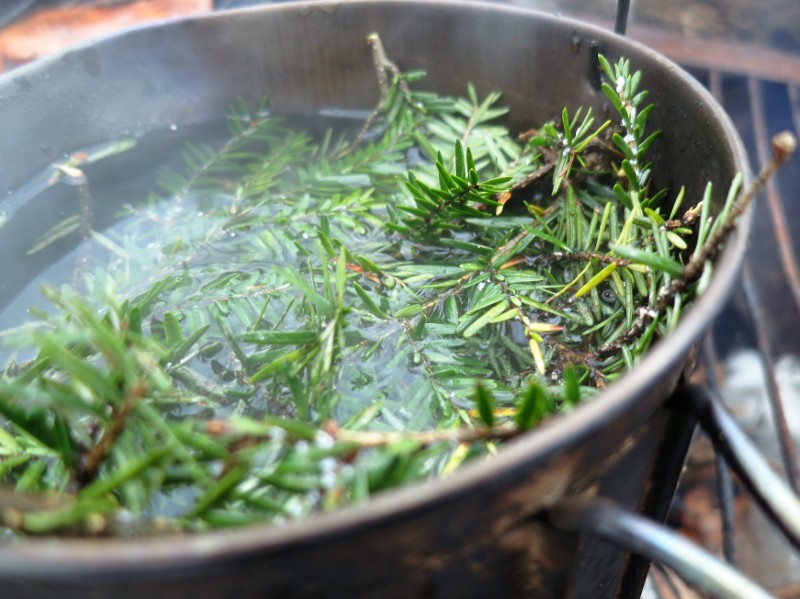
Hemlock fills the eastern mountains. Its dead lower branches ignite fast and bright, perfect for kindling. The needles brew a vitamin‑C tea that warms you in winter and cools you in summer. Hemlock boughs also build a cushioned bed or a quick roof. But as fuel, hemlock spits embers like a firecracker. I once woke in the Sipsey Wilderness with the crotch of my pants burned out from its fireworks. Keep hemlock for kindling unless you enjoy surprise ventilation.
Advertisement — Continue Reading Below
Hardwoods
Hardwoods rule when you want long burns and deep coal beds. Maple, oak, and beech dominate the eastern forests, with plenty of other contenders scattered around. Tree identification helps you sort the reliable burners from the pretenders.
ID the Beech
This tree easily stands out with smooth gray bark and leaves that cling through winter. Those dry leaves work as field tissues and light easily, though they don’t last long as kindling. Young beech branches make a solid grill over coals. Freshly dried beech burns clean at around 22 BTUs, but old beech turns punky fast.
Advertisement — Continue Reading Below
Identifying Oaks for the Win
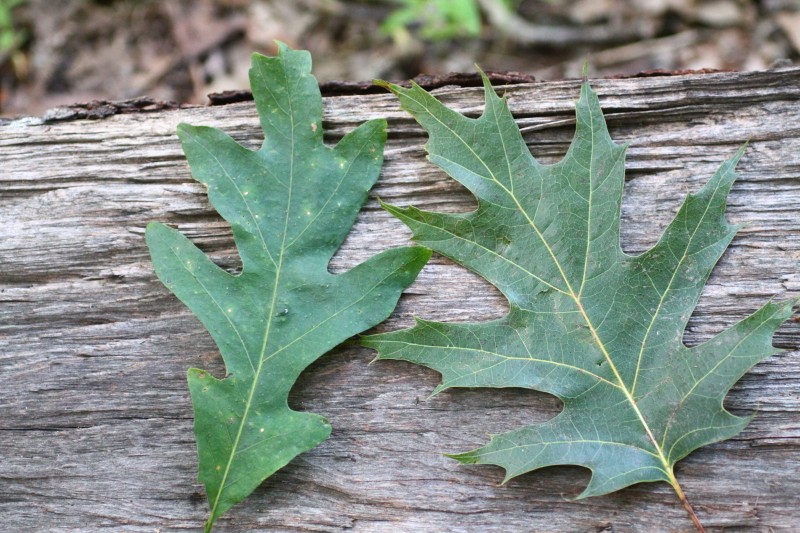
Oak carries the crown. White oak shows rounded lobes; red oak shows sharp points. The grain runs coarse and tough. In the Northeast, scarlet, northern red, and eastern white oak show up everywhere. Down south, blackjack and post oak fill the same role.
Oak burns hot—24 to 26 BTUs—and drops steady coals that cook clean. Dead‑standing oak litters the woods, which makes it the most reliable fuel you can gather. Hickory burns even hotter, but you rarely find it dead and ready.
Advertisement — Continue Reading Below
Pick oak when you want a fire that works for you instead of against you. It keeps you warm, cooks your food, and doesn’t spit embers like a softwood tantrum. Choose right and your night stays calm. Choose wrong, and you’ll dance around the fire like you stepped on a hornet nest.
Wrap Up Tree Identification: Northeast Trees
A little knowledge goes a long way in the woods. When you understand how each species burns, carves, or carries its weight in camp, you move with confidence instead of guesswork. Tree identification keeps your fire hot, your tools sharp, and your nights calmer. Learn the trees, trust the signs, and the Northeast stops feeling wild and starts feeling workable.